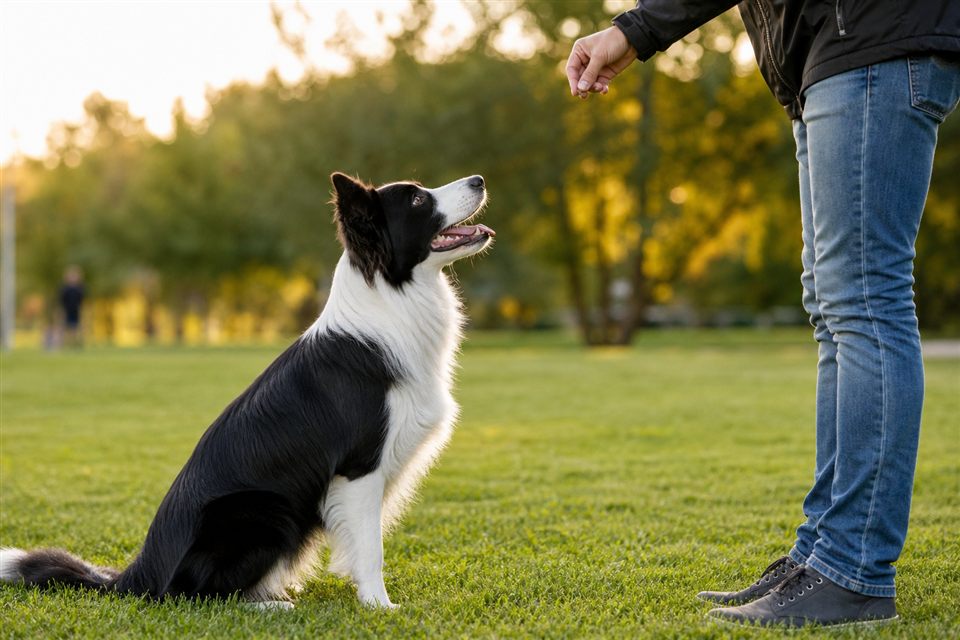
Mid-scratch giant yawn — insult or sleepy? Dogs yawn for sleep pressure and emotional regulation — stress, conflict, uncertainty trigger yawns as calming signal — Turid Rugaas "calming signals" framework. Context separates bedtime yawn from "please stop" yawn.
Key points at a glance
- Yawn during hug or vet exam — often stress, not tired.
- Look for lip lick, turn away, whale eye — same conversation.
- Stop petting — see if yawn chain stops — data point.
- Puppy yawns in training — confusion or fatigue — shorter sessions.
- Contagious yawn between bonded dogs and people — social empathy — normal.
Yawn types in dogs
| Situation | Likely meaning |
|---|---|
| After nap stretch | Sleep related |
| During petting session | Mild stress / tolerance limit |
| At vet waiting room | Anxiety |
| When you scold | Appeasement |
| Dog to dog standoff | De-escalation attempt |
One signal never alone — read cluster.
Petting-induced yawn
You pet head dog dislikes — yawn + lip lick — polite request to pause — not ingratitude.
Fix: Pet chest or side they lean into — shorter strokes.
Training yawns
Long repetition — puppy yawns — session too long — break 5 minutes.
Not defiance — brain tired.
Medical yawn increase
Rare — nausea, oral pain, neurological — if yawn + drool + appetite drop — vet.
Should you yawn back?
Some trainers yawn deliberately — calm signal — harmless experiment — watch dog soften shoulders.
Versus panting and stress
Hot day yawn — maybe heat — provide water shade — don't confuse with fear yawn indoors AC.
The bottom line
Dogs yawn when petted because stress and sleep both open the mouth — pair yawns with lip licks and turned heads before assuming they're bored. Shorten petting, change body zone, or end training when yawns stack. Medical causes are uncommon but worth checking if yawns come with drool, pain, or appetite loss.
This article is for general education only and does not replace advice from a licensed veterinarian or certified professional dog trainer.