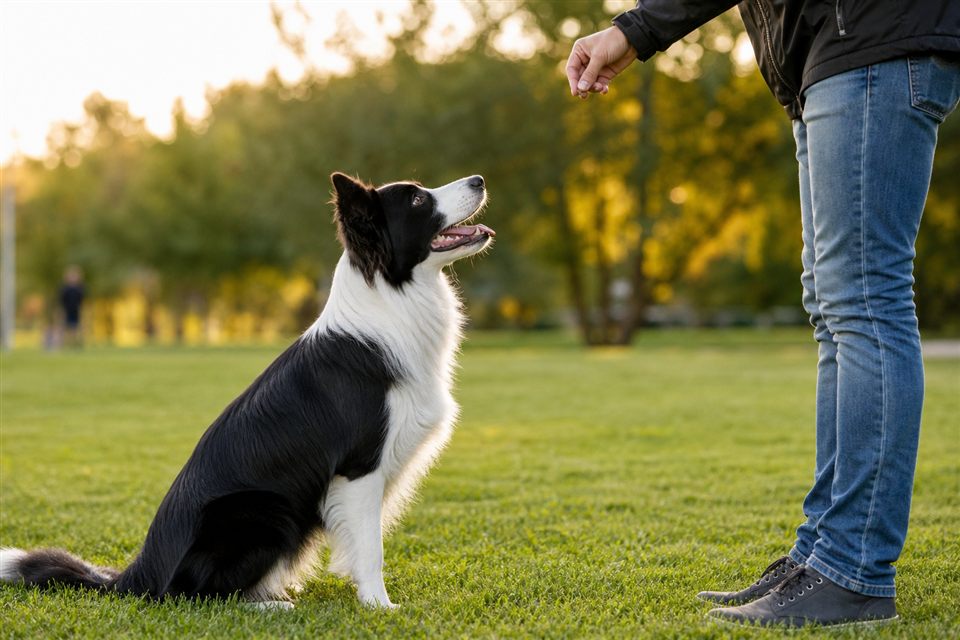
Few gestures melt hearts faster than a dog cocking their head as you speak. The tilt looks curious, attentive, almost conversational. Researchers and trainers propose several overlapping explanations — and the truth may combine hearing, vision, social bonding, and a dash of learned charm.
Key Points
- Head tilting may help dogs locate sounds and hear words more clearly.
- Tilting can improve view of your mouth and facial expressions.
- Long-muzzled breeds may tilt more often to see past their own noses.
- Dogs often learn that tilting earns smiles, praise, and attention.
- Sudden frequent tilting without a clear trigger warrants a vet check.
Sound Localization
Dogs hear frequencies humans cannot, but pinpointing where a sound originates is challenging with ears on the sides of the head. Tilting adjusts pinna position and may help the brain compare timing and volume between ears — similar to how humans turn toward a voice. When you say "walk" or "treat," a tilt might mean your dog is triangulating the word they hope to hear.
Reading Your Face
Dogs rely heavily on human facial cues. A muzzle can block the lower half of a face from a straight-on view. A slight tilt may bring your mouth and eyes into clearer sight, especially in brachycephalic observers looking up at taller humans. Your dog may be parsing expression as much as vocabulary.
Breed and Anatomy
Owners of German Shepherds, Greyhounds, and other long-snouted breeds often report more dramatic tilts. Shorter-faced dogs may tilt less noticeably but still do it. Individual personality matters too — some dogs are natural listeners; others are indifferent until food appears.
Learned Social Behavior
If head tilts reliably produce baby talk, photos, and treats, dogs repeat what works. Positive reinforcement does not make the behavior fake — it makes it more frequent. Your dog genuinely engages with you; they also learned the tilt is effective communication on their end.
When Tilting Signals a Problem
Occasional tilting during conversation is normal. Constant tilting, head shaking, ear scratching, loss of balance, or tilting paired with nausea may indicate ear infection, vestibular disease, or other medical issues. Senior dogs with sudden head tilt and stumbling need prompt veterinary attention.
Bottom Line
The head tilt when you talk likely blends better hearing, better seeing, and social connection — amplified by breeds built for the gesture and by your delighted response. Enjoy the moment, and stay alert if the behavior changes abruptly or appears uncomfortable.
Veterinary Disclaimer
This article is for educational purposes only and does not replace professional veterinary advice. Persistent head tilting, ear odor, discharge, or balance problems should be evaluated by a veterinarian promptly.