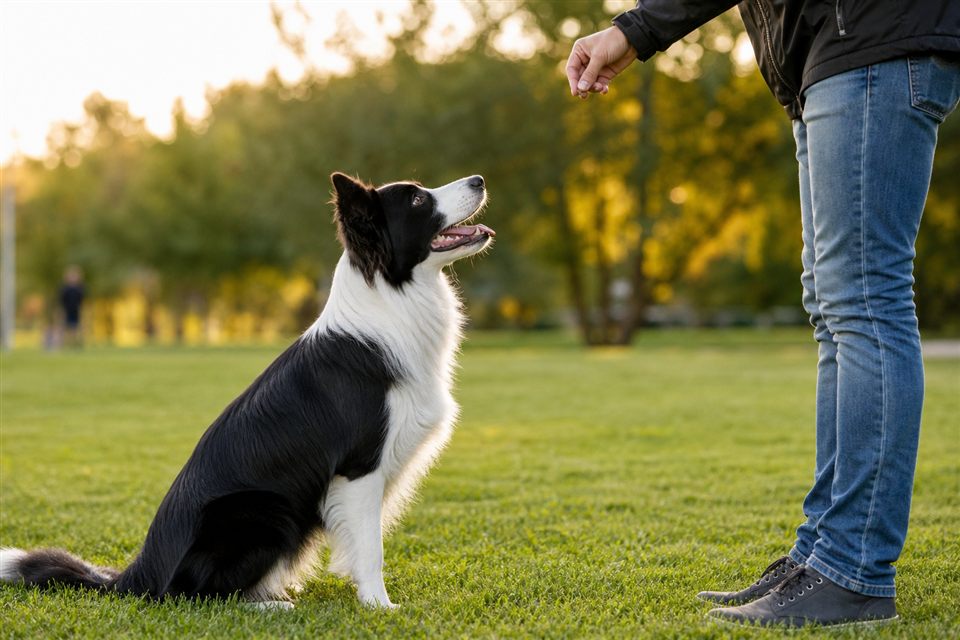
You have seen it at the park: elbows on the ground, hindquarters in the air, tail wagging, maybe a little wiggle. The play bow is one of the clearest invitations in canine body language. Dogs use it to say, "I want to play — and I mean it in a friendly way."
Key Points
- The play bow signals playful intent, not dominance or submission.
- Dogs bow to other dogs, to people, and sometimes to other species.
- It often appears before chase, wrestle, or tag-style games.
- A bow during rough play helps reset tension and confirm the game is still fun.
- Misreading bows can lead to mismatched play; context always matters.
Anatomy of the Play Bow
In a classic play bow, the dog lowers the front half of the body while keeping the rear elevated. Forelegs may stretch forward or bend at the elbows. The spine often curves, the mouth may be open in a relaxed grin, and movement is bouncy rather than stiff. This posture contrasts sharply with a tense, forward-leaning stance used in true aggression.
Researchers describe the play bow as a meta-signal — communication about communication. It marks behavior that follows as play, not a real fight. That distinction matters when teeth flash during wrestling or one dog pins another briefly.
When and Why Dogs Use It
Initiating play. A dog who wants to engage often bows first, then dashes away or pounces. The bow tests whether the other party is willing.
Maintaining play. During energetic sessions, dogs may pause, bow, and resume. This self-handicap behavior helps keep play reciprocal and prevents escalation.
With humans. Many dogs bow before bringing a toy, during fetch warm-ups, or when inviting you to chase them in the yard. It is social bonding, not a command to obey.
Puppies and learning. Young dogs practice bows constantly. Adults who ignore or punish play invitations may accidentally discourage healthy social skills.
Reading Context Correctly
Not every front-end dip is a play bow. A stiff body, hard stare, or growl paired with a lowered head suggests something else entirely. Likewise, some dogs bow but then overwhelm shy playmates. Good play is reciprocal — both parties re-engage, take breaks, and swap roles.
Bottom Line
The play bow — front legs down, rear up — is your dog's way of opening a friendly conversation about fun. Recognizing it helps you support good dog-dog interactions and join in when your dog invites you to play.
Veterinary Disclaimer
This article is for educational purposes only and does not replace professional veterinary or behavioral advice. Sudden reluctance to play, pain when bowing, or aggression masked as play warrants a veterinary evaluation and possibly a qualified behavior consultation.