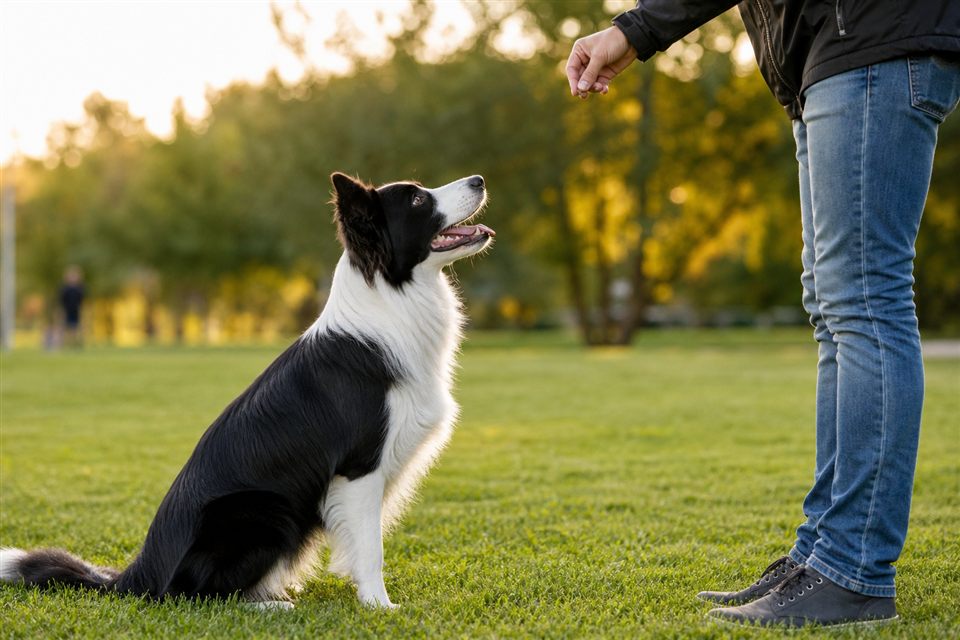
Half a block from home, Winston sat down on the sidewalk and became a statue. His leash went slack; his paws might as well have been glued to the concrete. His owner, Priya, tugged gently, then harder — Winston only lowered his ears and stared at the approaching delivery truck. Forward was not happening.
Key points at a glance
- Freezing is often a fear or overwhelm response, not stubbornness.
- Pulling harder usually worsens shutdown; pressure increases panic.
- Pain, heat, tight gear, and negative associations with certain routes cause similar refusals.
- Short, successful outings rebuild confidence faster than forcing long walks.
- Persistent freezing with trembling, vomiting, or limping warrants a vet exam.
Fear and sensory overload
Many dogs freeze when the environment exceeds their coping capacity — traffic noise, unfamiliar surfaces, crowded sidewalks, or off-leash dogs charging fences. Freezing is a shutdown strategy: if I do not move, maybe the threat passes. It looks like refusal but is often distress.
Puppies and newly adopted adults may freeze when the world is still too big. Rescue dogs sometimes associate specific intersections with past trauma. A single scary event — a horn blast, a skateboarder — can create a "plant zone" on future walks.
When the body says no
Always rule out physical discomfort. Sore hips, paw pad burns on hot pavement, cracked nails, arthritic joints, and ear infections affecting balance can make walking painful. A dog who freezes after previously walking fine may be hurting rather than afraid.
Check collar or harness fit. A tight harness across the shoulders or a prong collar correction history can make forward motion feel unsafe. Heat exhaustion causes sudden stops — seek shade and water immediately in warm weather.
The leash-pressure trap
Humans instinctively pull when dogs stop. For anxious dogs, that tension confirms danger — restraint plus scary stimulus equals trapped. Winston was not being dramatic; he was communicating that the truck exceeded his threshold.
Better approach: stop pulling. Create slack. Crouch sideways without looming. Offer a treat if he will take it. Wait for any small release of tension — a head turn, weight shift — and mark it calmly. Sometimes turning back toward home for ten steps, then retrying, breaks the freeze.
Building walk confidence
- Choose easy routes: Quiet streets before busy arterials.
- Keep outings short: End on success before shutdown.
- Carry high-value food: Reward glances at triggers, not only perfect heeling.
- Let them sniff: Sniffing lowers arousal and gives dogs agency.
- Consider gear: A well-fitted harness and longer leash reduce choke sensation.
For severe fear, a veterinary behaviorist or force-free trainer can design systematic desensitization.
The bottom line
A dog who freezes on walks and refuses to move is usually overwhelmed, uncomfortable, or both — not defiant. Release pressure, investigate pain and equipment, and rebuild outings in small confident steps. Forcing forward trains nothing except that walks are battles. Patience and sub-threshold exposure get most dogs moving again.
This article is for general education only and does not replace advice from a licensed veterinarian.