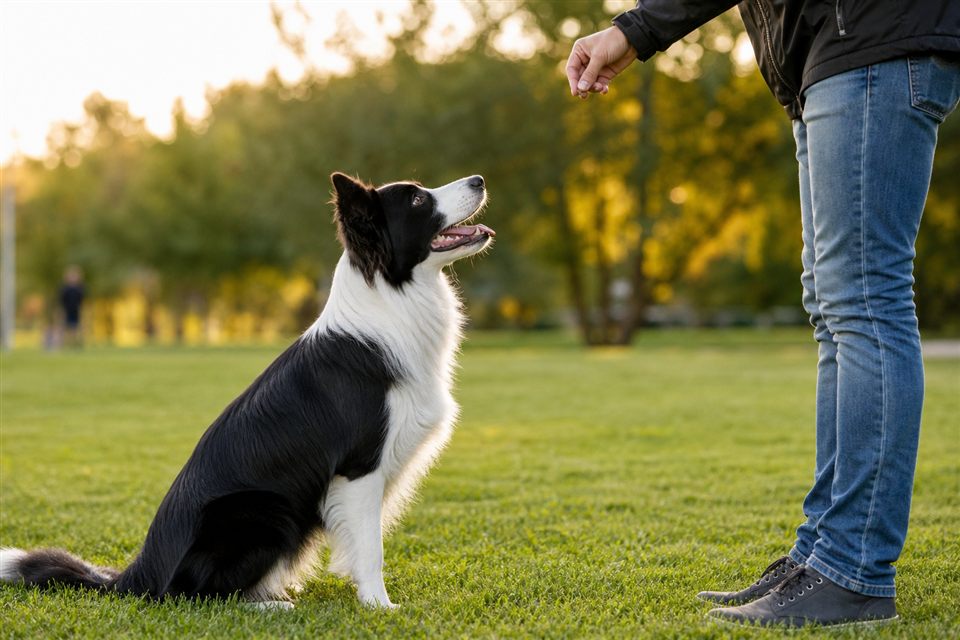
Privacy is not in the dog vocabulary. The moment you stand, they stand. Bathroom door closes — nose slides under gap, sigh on the other side. Most owners laugh; some trip over shadows hourly. Following room to room is usually normal social bonding — occasionally it signals anxiety needing structure.
Key points at a glance
- Velcro behavior — staying near family — differs from panic when alone.
- Herding breeds, lap dogs, and recent rescues follow more often.
- Closed doors frustrate dogs who prefer visual contact with their person.
- Reward independence with safe solo activities — not punishment for following.
- Cannot function when you leave room plus destruction when alone — behavior consult.
Normal reasons dogs tag along
Social bonding
Dogs evolved as cooperative hunters and camp followers. You moving = group moving. Bathroom trips are short separations; waiting outside keeps you in olfactory and auditory range.
Curiosity and routine
You disappear daily to same small room — pattern worth monitoring in dog logic. Some dogs think every door opens to adventure or treats.
Reinforcement history
If you talk sweetly through the door or let them in sometimes, following stays interesting. Inconsistent rules keep the escort service active.
Velcro dog vs separation anxiety
| Velcro following | Separation anxiety |
|---|---|
| Calm when you return from bathroom | Panic when alone house-wide |
| Eats and sleeps when you are home in other room | Destruction only when alone |
| Follows but rests nearby | Pacing, drooling, vocalizing alone |
| No house soiling when you step out | Accidents when alone |
Many dogs are mildly velcro without clinical anxiety.
Breeds and life stages
Australian shepherds, vizslas, golden retrievers, chihuahuas — notorious shadows. Newly adopted dogs map your movements first weeks. Senior dogs with vision or hearing loss stick closer to navigate.
When following increases suddenly
New clinginess with panting, restlessness, appetite change — pain or illness (arthritis, cognitive decline). Vet exam if behavior shifted in weeks alongside health signs.
Healthy independence training — optional
If following is safe but annoying:
- Place bed outside bathroom — reward lying on mat while door closed 30 seconds, build duration.
- Ignore door scratching — open only when quiet; do not negotiate mid-whine.
- Food puzzle in living room when you step away — positive solo occupation.
- "Stay" practice on mat during daily routines — not just formal training class.
Never punish following — damages trust.
When to seek professional help
- Injury risk — tripping elderly owners, underfoot with hot stoves.
- Cannot leave dog alone without vocalizing or destruction house-wide.
- Resource guarding you when partner approaches.
Certified trainers and veterinary behaviorists address separation-related distress with desensitization plans.
The bottom line
Dogs follow you to the bathroom because you are their social anchor — normal for many bonded pets, especially certain breeds and new rescues. Distinguish friendly shadowing from panic when truly alone. Train optional independence with mat rewards if needed; seek help when anxiety or sudden clinginess pairs with illness signs.
This article is for general education only and does not replace advice from a licensed veterinarian or certified behavior professional.