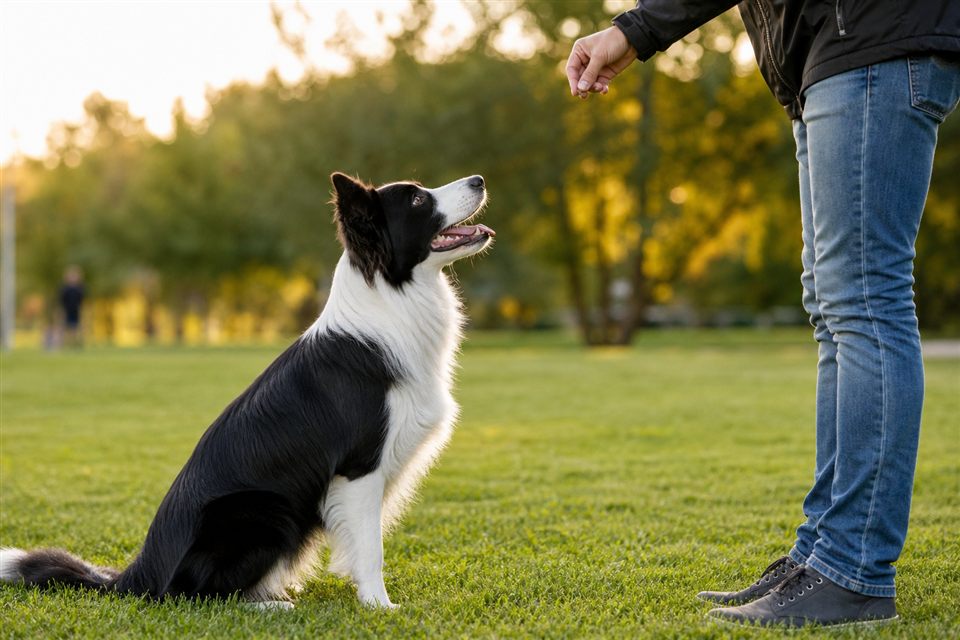
At 2:15 every afternoon, Angela could set her watch by the commotion at the front window. Her terrier mix, Pepper, spotted the brown delivery truck turning onto the street and erupted — barking, spinning, claws on glass — long before the driver reached the porch. Pepper treated every uniformed visitor as a personal invasion, yet greeted neighbors calmly on walks. Angela wanted to understand why the mail truck triggered a different level of reaction and whether she could teach Pepper a quieter response.
Key points at a glance
- Dogs bark at delivery vehicles because of territorial alerting and learned routine
- The truck's sound, stop-start pattern, and approach to the door are strong triggers
- Barking is reinforced when the truck leaves — the dog believes barking worked
- Management plus positive training reduce barking more effectively than punishment
- Consistency from all household members is essential for lasting change
Why do dogs bark at mail and delivery trucks specifically?
Dogs bark to alert, warn, and respond to perceived threats at their territory boundary. Delivery routines create a perfect storm of triggers that ordinary passersby do not.
Territorial instinct — the home and yard are your dog's den. A vehicle that stops at the boundary, a stranger who approaches the door, and the sound of items dropped on the porch all signal "intruder" to a dog wired for guarding.
Sound sensitivity — diesel engines, beeping reverse alarms, slamming truck doors, and clattering packages are loud and unfamiliar. Dogs with noise sensitivity react more intensely than to quiet foot traffic.
Predictable routine — dogs learn patterns quickly. Pepper knew the truck's arrival time within minutes because she had rehearsed the same sequence hundreds of times: rumble, stop, footsteps, door approach, bark, truck leaves.
Barrier frustration — window glass and fences prevent investigation, so barking becomes the only outlet and escalates because the dog never gets closure.
Previous reinforcement — from the dog's perspective, barking makes the intruder leave every time. That daily success schedule is one of the strongest barking rewards possible.
How do you reduce barking at delivery drivers?
Combine management, counter-conditioning, and an alternative behavior.
Manage the environment — close blinds during delivery hours, use window film, or gate off front windows. If the dog cannot see the truck arrive, barking rehearsals drop immediately.
Create a quiet zone — teach your dog to go to a bed away from the door. Reward calm on the mat first, then add recorded truck sounds at low volume.
Counter-condition the trigger — pair the sight or sound of a delivery vehicle with high-value treats before barking starts. Your dog should look to you for chicken when the truck appears.
Teach "quiet" on cue — allow one alert bark, then cue quiet and reward silence.
Angela blocked Pepper's window access between 2 and 3 p.m. and rewarded quiet within two seconds of any alert sound.
What should you avoid?
Yelling often sounds like joining in. Shock collars suppress behavior without fixing the trigger. Letting the dog "bark it out" rehearses the full cycle. Inconsistent household responses confuse the dog and slow progress.
When should you get professional help?
Consult a certified trainer or veterinary behaviorist if barking lasts more than several minutes per event, your dog cannot be redirected with food or cues, aggression toward entering visitors occurs, or neighbors have filed complaints despite your efforts.
Frequently asked questions
Will my dog grow out of delivery barking? Unlikely without training. The daily reinforcement schedule — truck comes, dog barks, truck leaves — makes this one of the most self-rewarding barking habits.
Do certain breeds bark more at deliveries? Terriers, herding breeds, and guardian breeds tend toward stronger territorial alerting, but any dog with access to front windows and a delivery route can develop the habit.
This article is for informational purposes only and does not replace professional veterinary advice. Consult a certified behavior professional for aggression or barking that does not improve with consistent training.