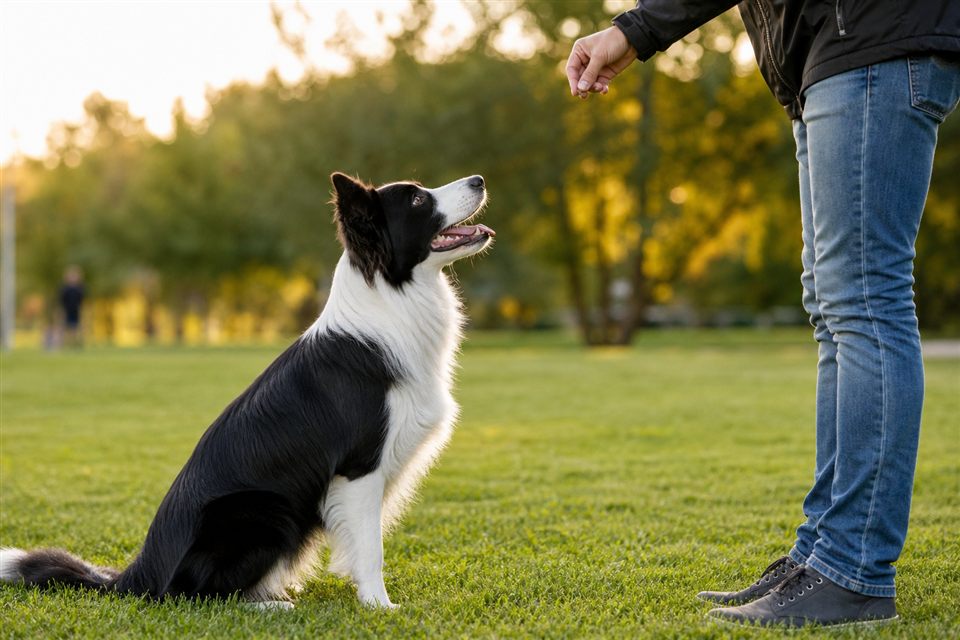
A dog who comes when called in the backyard is the foundation for safe off-leash freedom everywhere else. Recall is not one command — it is a habit built through repetition, exceptional rewards, and slowly increasing difficulty. Rushing to full off-leash before the behavior is solid is how dogs learn that "come" means optional.
Key points at a glance
- Start on a long leash or with fence-enclosed space before true off-leash work.
- Use rewards your dog values more than sniffing, squirrels, or other dogs.
- Never punish your dog for coming — even if they were doing something wrong first.
- Practice short, successful recalls daily rather than one long session weekly.
- If recall fails repeatedly, go back to shorter distance and higher-value treats.
Step 1: Choose your recall word and reward
Pick one cue — "come," "here," or a whistle — and stick with it. High-value rewards mean cooked chicken, cheese, or freeze-dried liver, not everyday kibble. The payoff must beat every backyard distraction during early training.
Call your dog when you know they will succeed: mealtime, after a nap, or when they are already moving toward you. Mark the moment they arrive with praise and several treats delivered in a row.
Step 2: Build distance inside a controlled space
Begin with your dog on a 15–30 foot long line in a fenced yard. Let them sniff, then crouch slightly, say your cue once in a happy tone, and gently reel in if needed. Reward generously at your feet. Repeat until they spin toward you on the first call at close range.
Gradually increase distance only when five out of five recalls succeed. Add mild distractions — a toy on the ground, a family member walking by — before expecting reliability during full zoomies.
Step 3: Transition to off-leash
Drop the long line only when recall works consistently at maximum long-line distance with distractions present. Keep early off-leash sessions short and end while your dog still wants more play. Calling them away from fun and immediately releasing them back to sniff teaches that coming does not always mean the party ends.
| Training stage | Success criteria |
|---|---|
| Indoor / leash | Comes instantly from 10 feet |
| Long line in yard | Comes from 30 feet with distractions |
| Off-leash | Five reliable recalls before free roam |
Common mistakes that break recall
Repeating the cue multiple times teaches dogs they can ignore the first few. Calling your dog to scold them or end all fun makes coming a punishment. Practicing only when leaving the park — the ultimate fun-killer — poisons the cue permanently.
The bottom line
Reliable backyard recall comes from making "come" the best deal in your dog's world: one clear cue, exceptional rewards, and gradual proofing against real-life distractions. Stay patient, keep sessions short and successful, and never call unless you can enforce or reward the response during training.
This article is for general education only and does not replace advice from your veterinarian. Always consult a qualified professional about your individual pet's diet and health.