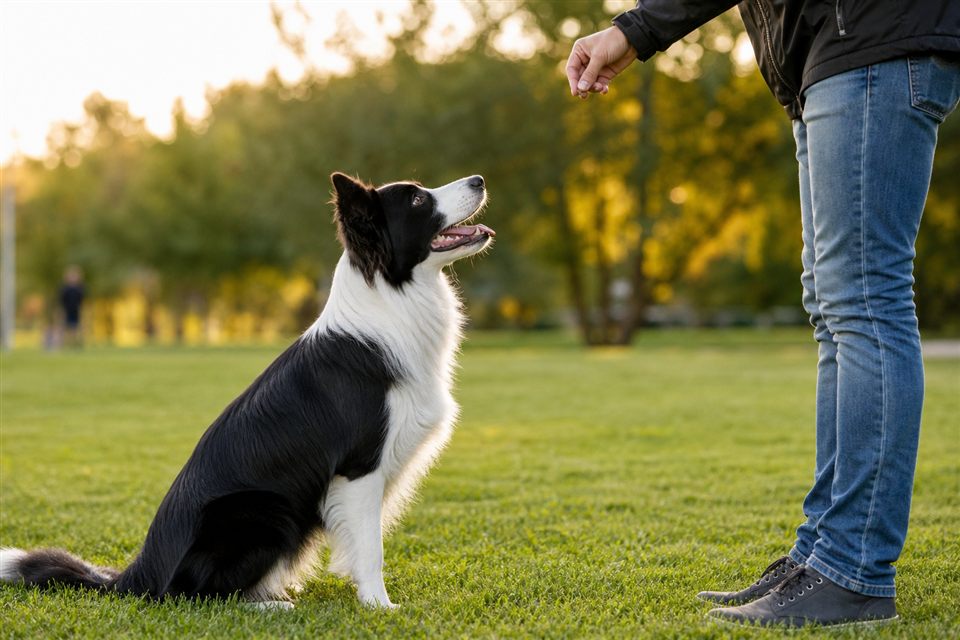
Walks become arm workouts — dog lunges at squirrels, you lean back, leash still tight. Dogs pull because tension worked: they wanted forward, pulling got forward. Loose leash walking means slack line = only way to move — taught in boring repetitions, not one epic hike lecture.
Key points at a glance
- Stop moving the moment leash goes tight — no exceptions early training.
- Reward slack — treat at your pant seam when dog checks in.
- Front-clip harness helps management; does not replace training.
- Short training walks — 10 minutes focus beats 40 minutes battle.
- Sniff breaks on cue — "go sniff" release reduces frustration.
Equipment basics
| Tool | Role |
|---|---|
| Flat collar or harness | Everyday — fit two fingers |
| Front-clip no-pull harness | Reduces leverage — training aid |
| 6-foot leash | No retractable for learning phase |
| High-value treats | Pea-sized, rare outside walks |
Prong or choke — not needed for pet loose leash; risk trachea damage on pullers.
The stop-and-go method
- Walk one step with slack.
- Dog surges ahead — leash tightens — you freeze like a tree.
- Wait for slack OR head turn toward you.
- Mark yes, treat at leg, one more step.
- Repeat until three steps slack — gradually extend.
Pulling that still reaches the smell = pulling still pays. Freeze kills the paycheck.
Turn away from distractions
Dog locks on dog across street — u-turn calmly, treat when they follow your direction. Do not yank — change geometry so attention pays off facing you.
Release for sniffing
All-sniff or all-heel extremes fail. Pattern:
- Loose heel to corner — treat chain.
- Say "go sniff" — drop leash slack fully 30 seconds.
- "Let's go" — resume heel game.
Predictability lowers frustration pulling.
Common owner mistakes
- Long walk first — dog over threshold before training starts.
- Repeating "heel heel heel" without stopping feet.
- Letting kid hold leash during learning — inconsistent rules.
- Only training on weekends — dogs need daily 10-min drills.
When pulling is sudden and new
Senior suddenly pulls toward home — pain (arthritis, paw pad). Sudden lunging at shadows — vision change. Exam before blaming manners.
The bottom line
Teach loose leash walking by freezing when the line tightens and paying generously for slack at your side — short focused sessions beat angry marathon walks. Pair front-clip harness with stop-and-go, add structured sniff releases, and stay consistent across family handlers. New or pain-linked pulling gets a vet check before months of leash battles.
This article is for general education only and does not replace advice from a certified professional dog trainer or licensed veterinarian.