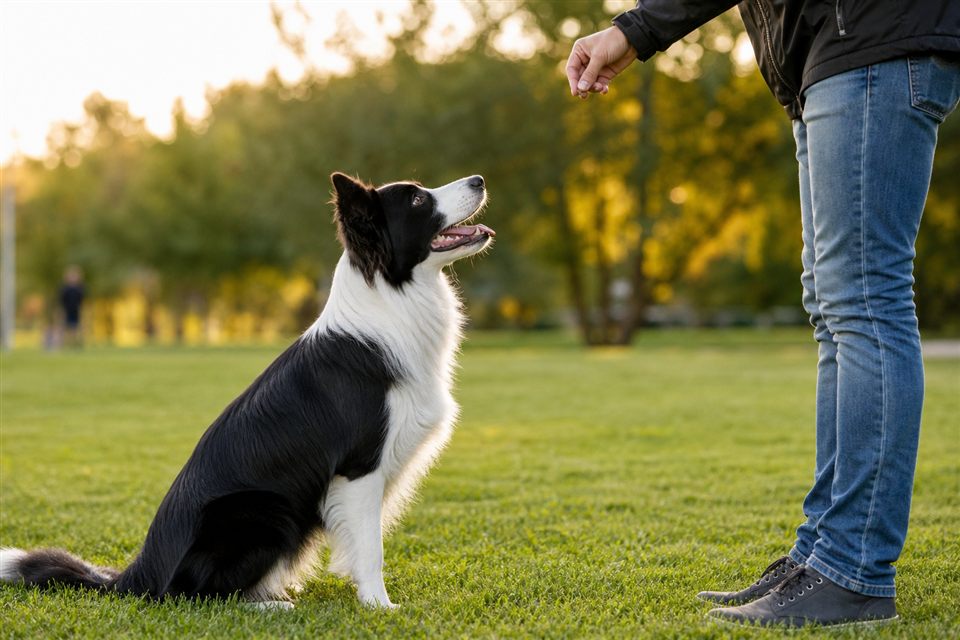
A dog spotting the family cat can switch from couch potato to full sprint in one heartbeat. Cats get cornered; dogs get scratched eyes; everyone loses trust. Chasing is predatory sequence — movement triggers pursuit. Stopping it needs management first, training second, and realistic timelines — not one shouted "leave it."
Key points at a glance
- Never leave dog and cat unsupervised until chase behavior is reliably controlled — months, not days.
- Baby gates, leashes, and separate zones prevent rehearsal of chase.
- Teach "leave it" and "place" with high-value rewards away from cat first.
- Herding and terrier breeds need extra management — prey drive varies, not zero.
- Injury to either pet — behavior professional and vet before retrying free access.
Why dogs chase cats
Movement at cat speed activates eye-stalk-chase-grab motor pattern. Some dogs want play; others true predatory intent. Both hurt cats. Even "gentle" large dogs can kill small cats with one grab-shake.
Safety setup today
- Separate spaces when you cannot actively train — cat room with litter, dog crate or gated zone.
- Leash on dog in shared areas during training phase — no free chase practice.
- Cat vertical routes — trees, shelves — escape paths if dog enters room.
- No punishment after chase — increases arousal; manage prevention instead.
Training progression
Weeks 1–2: Cat in separate room; dog practices "place" and "leave it" with treats far from door.
Weeks 3–4: Cat visible behind baby gate; dog on leash; reward calm look at cat then back to you.
Weeks 5+: Short controlled same-room time; dog leashed; cat chooses distance.
Increase duration only when dog disengages voluntarily repeatedly.
"Leave it" at chase trigger
Start with low distractions, build to toy movement, then cat at distance. Reward turning away heavily. Never call dog to chase then punish — inconsistent.
When management is permanent
Some households always separate when away — valid lifelong plan. Cat safety beats optimism.
Red flags — get professional help
- Dog has injured cat before.
- Fixated staring with stiff body for minutes.
- Cannot eat or rest when cat visible.
- Multiple dogs gang chase.
Certified trainer or veterinary behaviorist — not dominance alpha rolls.
New cat or new dog introductions
Follow scent-first, gated viewing, slow same-room protocols — never throw together hoping age helps.
The bottom line
Stop dogs chasing cats by preventing unsupervised access, teaching leave-it and calm place with rewards, and leashing every shared session until reliability proves out over weeks. Some homes need permanent separation zones — that is success if everyone stays safe. Chase rehearsal one time resets months of training.
This article is for general education only and does not replace advice from a certified professional dog trainer or veterinary behaviorist.