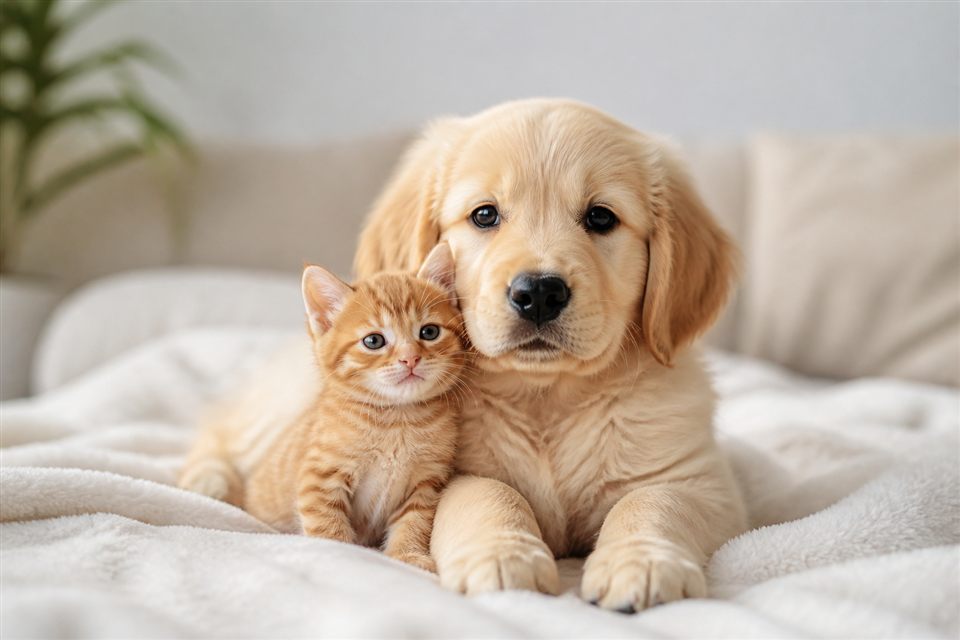
Bathing a puppy for the first time raises practical questions about water heat, frequency, and shampoo choice. Puppies chill faster than adult dogs because of small body mass and immature temperature regulation. Water that feels comfortable to your hand may still be too hot for sensitive skin. Lukewarm temperature near body heat, short sessions, and thorough drying protect comfort and reduce fear that makes future grooming harder. Over-bathing strips coat oils and dries skin, so most puppies need baths only when visibly dirty or smelly unless your veterinarian recommends medicated schedules.
Introduce bathing as a calm routine with treats rather than a sudden flood of water. Non-slip surfaces prevent panic slipping. Keep shampoo away from eyes and ears. The sections below specify temperature testing methods, bath frequency by coat type, and signs your puppy is too cold during or after the tub.
Safe temperature range
Aim for lukewarm water around ninety-eight to one hundred degrees Fahrenheit, similar to what you would use for a human infant. Test with your inner wrist or elbow where skin is sensitive; water should feel neutral not warm. Hot tap water can burn thin puppy skin quickly. Fill the tub before placing the puppy inside to avoid sudden spray noise. Adjust room temperature by closing drafts; small breeds lose heat during towel drying.
How often puppies need baths
Most healthy puppies tolerate bathing every four to eight weeks unless they roll in mud or develop skin conditions requiring medicated washes. Short-coated breeds may need fewer baths; playful outdoor puppies may need spot cleaning with damp cloth between full baths. Use puppy-formulated or mild dog shampoo; human products disrupt pH. Rinse until water runs clear; residue causes itch.
Questions owners ask most often
Can I bathe before vaccinations complete? Yes at home with warm room and quick drying; avoid public groomers if your vet advises limited exposure. Should ears get wet? Keep water out of ear canals; moisture encourages infection. What if my puppy shakes constantly? End session, towel dry, and warm the room; fear not cold may be the cause next time.
Coat type and bath frequency differences
Short-coated breeds such as Beagles and Boxers often need fewer full baths than long-coated puppies like Golden Retrievers who pick up mud on feathering. Double-coated breeds should not be shaved without veterinary guidance; bathing without thorough drying can trap moisture near skin. White or light-colored coats show dirt sooner, prompting owners to bathe too often and strip natural oils. Spot cleaning paws and belly with a damp washcloth extends time between full tub sessions. Puppies under twelve weeks have limited ability to thermoregulate; keep sessions under ten minutes and prioritize warmth over perfect cleanliness unless fecal soiling requires full wash.
Drying and warming after the tub
Hypothermia risk continues after water drains. Layer absorbent towels and replace when soaked rather than rubbing one wet towel endlessly. Low-speed blow dryers at arm's length work for tolerant puppies; never aim hot air at face or genitals. Small breeds benefit from a warm room closed off from drafts for fifteen minutes post-bath. Comb through damp fur on long coats to prevent matting as it dries. If your puppy trembles despite warm drying, end grooming for the day and rebuild positive association with shorter water exposure next session.
Key Points
- Lukewarm neutral-feeling water prevents burns and chilling.
- Short positive sessions build lifelong grooming tolerance.
- Over-bathing dries puppy skin and increases odor later from oil rebound.
- Non-slip mat and pre-placed towels reduce stress and hypothermia risk.
- Medicated bath schedules follow veterinary instructions only.
Practical Tips
- Brush before bathing to remove loose fur and mats.
- Place cotton loosely in ears only if your vet approves for your breed.
- Offer treats during rinse to maintain positive association.
- Dry with low heat blow dryer at distance if puppy accepts noise.
- Schedule baths before nap time when puppy is calm not wired.
- Keep shampoo capped to prevent puppy drinking soapy water.
Building a two-week action plan
Choose one or two changes from this article to implement this week rather than attempting every tip at once. Note your pet's baseline behavior on day one, then review progress on day fourteen with the same lighting and timing conditions when possible. Small consistent adjustments outperform dramatic overhauls that last only a few days. If you see no improvement after following veterinary guidance for two weeks, schedule a follow-up rather than switching randomly to unrelated internet advice that may confuse the underlying issue further.
First-time pet owners often search these symptoms late at night and worry unnecessarily or wait too long. When in doubt, call your veterinary team with a short video clip; many clinics offer nurse triage by phone. The guidance here supports informed conversations with professionals rather than replacing hands-on examination of your individual dog or cat.
When to call your vet
Contact your clinic if skin becomes red after bathing, if puppy shivers for more than thirty minutes post-bath, or if odor returns within days suggesting skin infection. Persistent fear aggression during grooming may need desensitization plans from a trainer. Your veterinarian can recommend hypoallergenic shampoos for sensitive breeds.
Summary for busy owners
If you remember only a few points from this guide, keep these in mind: watch for patterns that repeat daily rather than one isolated incident, adjust home routines before buying expensive products, and contact your veterinary team early when behavior or appetite changes alongside the main symptom. Most problems improve fastest when medical causes are ruled out first and management stays consistent for at least two weeks before you declare an approach failed. Write down dates and take short videos so your next appointment covers facts rather than guesses.
This article is for general educational purposes only and does not replace professional veterinary advice. Contact your vet if your pet shows ongoing symptoms.