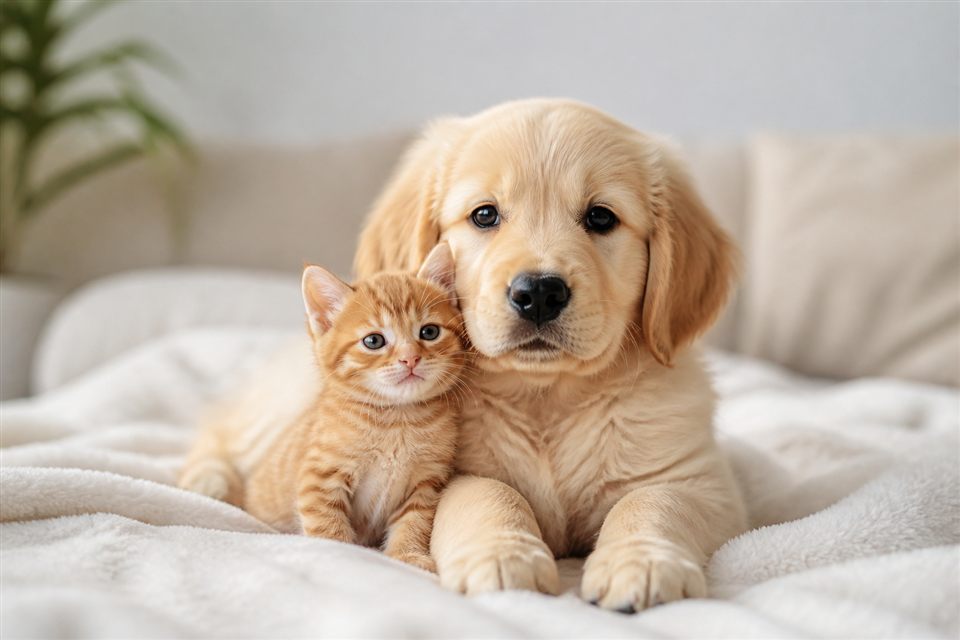
Finn scooped Pippin under the armpits at 5:40 p.m. in his Cleveland kitchen and felt the 3.1-lb 11-week kitten turn into a corkscrew. Back feet hit his forearm. Nails dotted a scratch from wrist to elbow. Pippin had dangled. Dangling is how kittens learn that hands mean a drop and a fight. Finn set him down. Pippin ran under the chair and stared.
The fix was short and boring. Two-hand lift: one palm under the chest, one under the hind end, kitten held against Finn's ribs for three seconds, then back on the floor with a treat that landed on the tile, not in midair. No armpit hang. No “just a second” while Finn opened the fridge with a wriggling comma. Eleven weeks is when handling either becomes a skill or a feud.
Key points at a glance
- Support chest and hind end so all four feet have a floor in your hands; do not scoop by the armpits and dangle.
- Keep lifts to a few seconds at first, then treat on the floor after the kitten is down.
- Hold the kitten against your body, not out in space like a wet towel.
- Stop before panic: freeze, thrash, or a full scratch storm means the step was too long.
- Practice at a calm hour like 5:40 p.m., not during play bite mode or right after a scare.
A lift is a floor, not a cliff
Kittens scratch when the world drops. Armpit scoops leave the back half swinging. Pippin's hind claws did the job they evolved for: find purchase. Finn's new grip was dull on purpose. Chest. Hind. Ribs. Three-count. Tile. Treat. The treat on the floor paid “feet down,” not “struggle in the air.”
He never chased Pippin for a hug. He sat on the floor, let the kitten come, then lifted from a crouch. Height is extra fear. Kitchen-counter holds can wait until three-second floor lifts look bored.
Seconds, then a paycheck
Day one was one lift. Day three was two lifts with a pause on Finn's chest. If Pippin wriggled, Finn lowered him before the nails came out, then tried a shorter count later. Clipping nails on a separate afternoon made the scratches shallower while trust caught up. Nails were not the whole problem. The dangle was.
If Pippin screamed, bit hard, or hid all evening after a lift, Finn's next call was the vet: pain from a bruise, sore belly, or a need for a slower plan with a trainer. A 3.1-lb kitten is not being dramatic for sport. He is small, and a bad lift feels like falling. Finn treated falling as the thing to delete.
| Session | Goal |
|---|---|
| Days 1–2, 5:40 p.m. | 3-sec supported lift, treat on floor |
| Days 3–5 | Hold against ribs; still no armpit hang |
| Week 2 | Carry three steps to a chair, then down |
| Thrash or freeze | Shorten the count; stop the session |
| Scratch drawing blood often | Vet or trainer; check for pain |
Finn still picks Pippin up the dull way at 5:40. The fridge wait happens with the kitten on the floor. This article is general kitten-handling information, not a substitute for a veterinarian or a certified trainer if your kitten panics, bites hard, or you suspect pain.