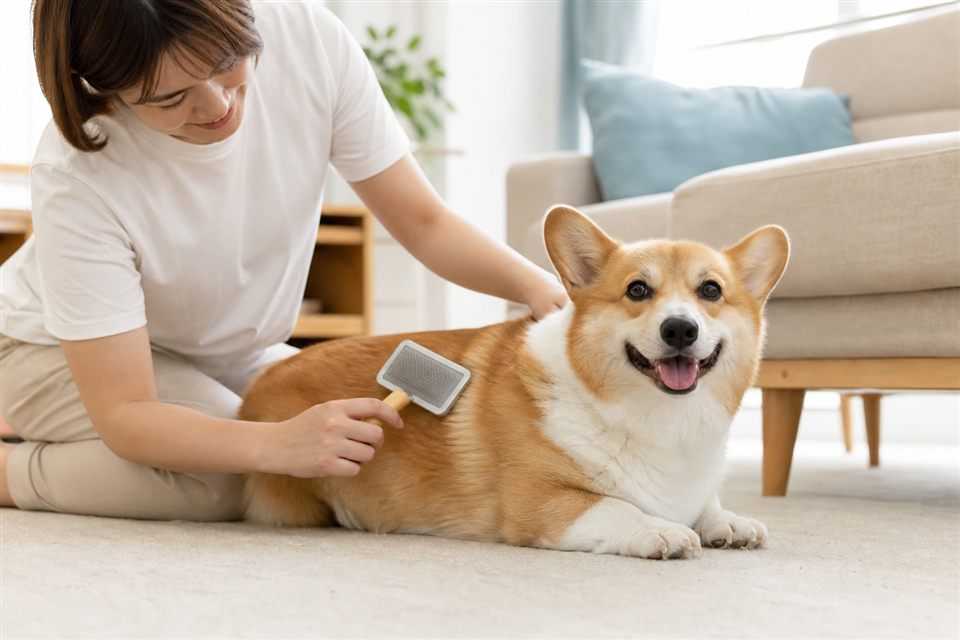
White coats show everything — mud, saliva, tear tracks, and food smears. Maltese, Bichons, Samoyeds, and white Bulldogs charm with their snowy fur and challenge owners with constant upkeep. Consistent daily care keeps coats closer to brilliant white without harsh shortcuts that irritate skin.
Key Points
- Daily wiping beats weekly deep cleaning for tear and mouth stains.
- Use lukewarm water or vet-approved gentle cleansers — avoid bleach or human acne products on dogs.
- Diet, water quality, and anatomy all influence tear staining severity.
- Keep fur around eyes and mouth trimmed to reduce moisture retention.
- Professional grooming complements home maintenance; neither replaces veterinary care for underlying issues.
Tear Stains: Prevention Basics
Tear stains form when porphyrin-rich tears wet facial fur and oxidize to a reddish-brown color. Shallow eye sockets, narrow tear ducts, allergies, or eyelash irritation increase tearing. Start by gently wiping the inner eye corners once or twice daily with a soft cloth moistened with plain water or a product formulated for dogs.
Pat dry afterward. Moist fur breeds yeast and bacteria, which darken stains and cause odor. Keep hair around the eyes short — careful scissor or professional face trim — so tears run away from skin instead of soaking into a fuzzy shelf.
Mouth and Beard Staining
Dogs with white muzzles often develop pink or brown beard stains from saliva, food dyes, and bacteria. Wipe the mouth and chin after meals and drinks. Use stainless steel or ceramic bowls; some plastics scratch and harbor bacteria that worsen staining.
Consider whether colored treats or kibble with heavy artificial dyes contribute. Fresh water changed daily helps. For heavy droolers, a bandana protects the chest between washes — change it when damp.
Bathing and Coat Brightness
Bathe white dogs every three to six weeks with a gentle dog shampoo. Over-bathing strips oils and irritates skin. Focus on legs and belly where grass and dirt accumulate. Dry thoroughly, especially dense coat areas, to prevent hot spots.
Whitening shampoos can help occasionally if formulated for pets. Avoid human products or strong peroxide blends that burn skin.
Environmental and Health Factors
Rusty tap water high in iron may intensify tear staining. Filtered water is a low-cost experiment worth trying. Persistent heavy tearing despite grooming warrants a veterinary eye exam — blocked ducts, entropion, and glaucoma need medical treatment, not more wipes alone.
Bottom Line
Keeping a white dog's coat clean is a daily habit: wipe eyes and mouth, trim problem areas, choose clean bowls and water, and address medical causes of excess tearing. Bright white fur is maintenance, not magic.
Veterinary Disclaimer
This article is for educational purposes only and does not replace professional veterinary advice. Excessive tearing, red eyes, squinting, or skin inflammation under stains should be evaluated by a veterinarian.