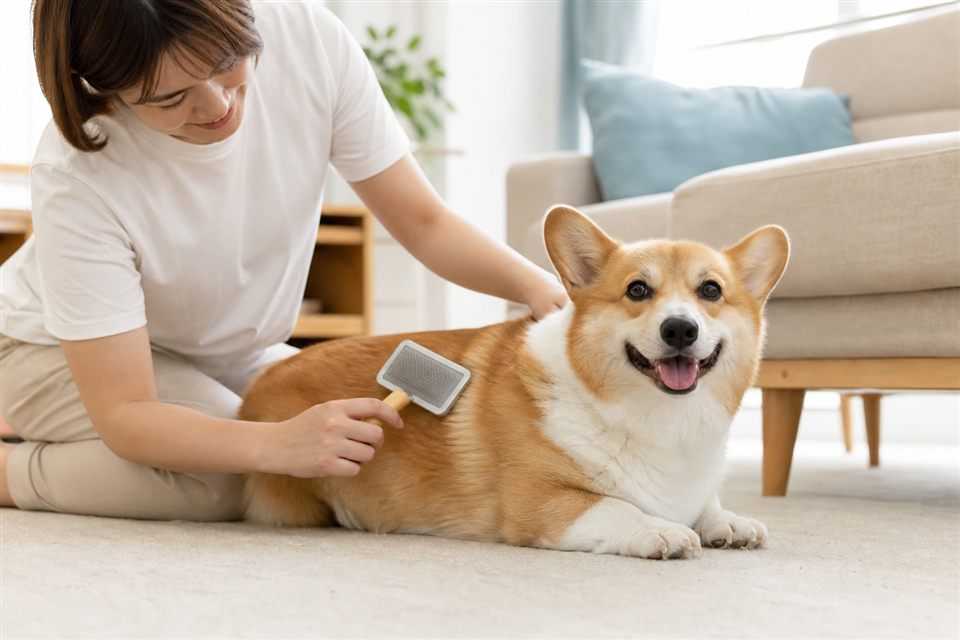
Owen stood in the Charleston driveway at 5:30 p.m. with Frost, his 36-lb mix, still sandy from the last wave. The air sat at 88°F. Grit crusted both ear flaps. A cotton swab waited in the bathroom cup. That stick was not going down a canal. Owen wanted the sand off the flaps, the insides dry, and a pause if the skin looked red. Hose first. Then 60 to 90 seconds of towel time on each flap. If the clinic had already named a cleaner, he could use that after the grit was gone. Swimming would wait if the ears were pink or sore. Frost shook once and sprayed the car door. Owen started with water, not cotton.
Key points at a glance
- Rinse sand off the flaps at the hose before anything goes in the ear.
- Dry each flap for 60–90 seconds with a clean towel; 88°F heat does not replace drying.
- Use a cleaner only if your veterinarian already approved that bottle.
- No cotton swabs, Q-tips, or twisted tissue down the canal.
- Pause swimming if the flap or opening looks red, or Frost shakes and paws at his head.
Rinse the sand, then dry the flaps
Hold Frost's head and let a gentle stream run over the outer flap, not a blast into the hole. Sand on the leather is a surface job. You are washing grit off skin you can see. Then towel. Count 60 to 90 seconds per side. Get the crease where the flap meets the skull. A damp canal after an 88°F beach day is still a damp canal. Warm air does not wick water out of a fold.
A 36-lb mix can shake hard enough to throw sand back into the opening. Dry after the shake, not before.
Clinic cleaner, no swabs, and when the beach stops
If your veterinarian already showed you a fill-and-wipe cleaner, use it after the sand is gone, not as a way to push grit deeper. Fill, massage the base, let Frost shake, wipe what comes out. Stop at the opening you can see. A cotton swab down the canal can pack sand against the eardrum or scratch the lining. Leave the bathroom cup shut.
Red skin, odor, a head tilt, or constant scratching is a clinic ear, not a driveway rinse. Skip the next swim until someone looks. One more wave will not fix inflammation.
| Step | Do it? |
|---|---|
| Hose rinse on the flaps at 5:30 p.m. | Yes; wash visible sand |
| Towel dry 60–90 seconds per flap | Yes |
| Vet-named cleaner after grit is gone | Only if the clinic approved it |
| Cotton swab or Q-tip down the canal | No |
| Red, sore, or smelly ear | Pause swimming; call the vet |
| 36-lb shake after the rinse | Dry again after he shakes |
Owen rinsed Frost in the driveway, dried both flaps past a slow count of ninety, and left the cotton swabs in the cup.
This is general ear-care information, not a diagnosis. Call your veterinarian for redness, odor, a head tilt, or pain after swimming.