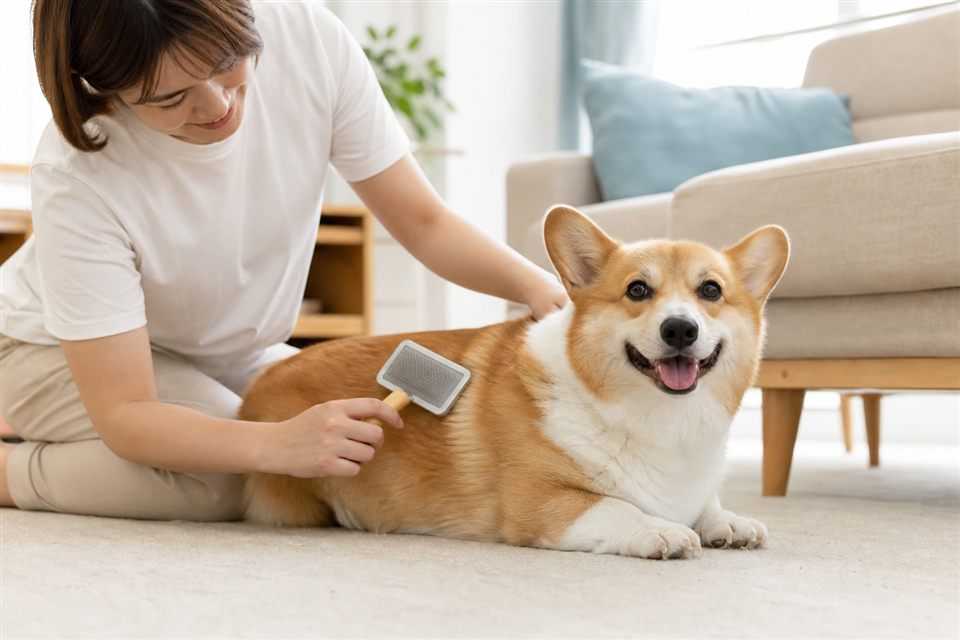
Studio dweller Marcus shared eight hundred square feet with a Corgi named Pickle who shed enough to knit a second dog weekly. Every vacuum session used to end with sneezing fits — Marcus's and his roommate's — because their old bagless model blasted fine dander out the exhaust like a pollen cannon. Switching technique mattered as much as switching machines.
Key points at a glance
- Use a vacuum with true HEPA filtration and sealed airflow — cheap filters recirculate allergenic particles.
- Empty canisters or replace bags outside the apartment when possible.
- Dust surfaces with a damp cloth before vacuuming so hair lifts instead of flying.
- Vacuum slow overlapping passes; rushing stirs more than it captures.
- Groom Pickle outside the unit and run an air purifier on cleaning days for extra capture.
Why apartments amplify the problem
Limited square footage concentrates hair. Central HVAC carries particles room to room. Bagless vacuums without HEPA exhaust spew micron-sized dander that settles on shelves you just cleaned. Hard floors look swept while allergens remain airborne — invisible but nose-detectable.
Choosing and maintaining the right vacuum
Look for sealed-system canister or upright models independently tested for allergen retention — marketing words like "HEPA-like" mean little. Change pre-motor and exhaust filters on schedule; clogged filters reduce suction and increase blow-by. For Marcus, a mid-range HEPA canister with a motorized pet brush head outperformed a premium marketing label with loose seals.
Robot vacuums help maintenance between deep cleans but rarely replace edge and upholstery work. Empty their bins outdoors — concentrated fur bombs indoors defeat the purpose.
The low-dander vacuuming sequence Marcus follows
Prep: Open a window briefly if outdoor air quality allows — cross-ventilation during cleaning reduces indoor particle load.
Dust first: Microfiber slightly damp on baseboards, window sills, and TV stands — hair clings to static surfaces.
Top to bottom: Curtains and upholstery attachments before floors — falling hair gets captured in one pass downward.
Slow passes: Overlap each stroke fifty percent; one quick zigzag scatters clumps under furniture.
Crevice tool: Between couch cushions and radiator fins where Corgi tumbleweeds hide.
Mop hard floors after: Damp microfiber mop picks electrostatic dust vacuum missed — dry mopping just pushes it.
Timing and frequency that actually helps
High-shed seasons may need three weekly floor passes plus daily robot runs. Allergy sufferers benefit from bedroom as a pet-free zone vacuumed first — sleep eight hours in the cleanest air. Bathe and brush Pickle outdoors or in a tub with exhaust fan before vacuum day so loose undercoat leaves the building instead of cycling through filters twice.
What does not replace good vacuuming
Dry feather dusters launch allergens. Brooms on hard floors aerosolize fine particles — damp mop follow-up is mandatory. Scented sprays mask odor without removing protein allergen. Air purifiers with HEPA help between vacuums but cannot lift hair embedded in couch weave.
The bottom line
Vacuuming pet hair in an apartment without spreading dander demands HEPA containment, dust-before-vacuum order, slow technique, and outdoor bin emptying. Marcus's sneeze-free Sundays returned when he stopped trusting exhaust into the same air he breathed. Pickle still shed — but the dander rode into the canister instead of his roommate's sinuses.
This article is for general education only and does not replace advice from an allergist or veterinarian.