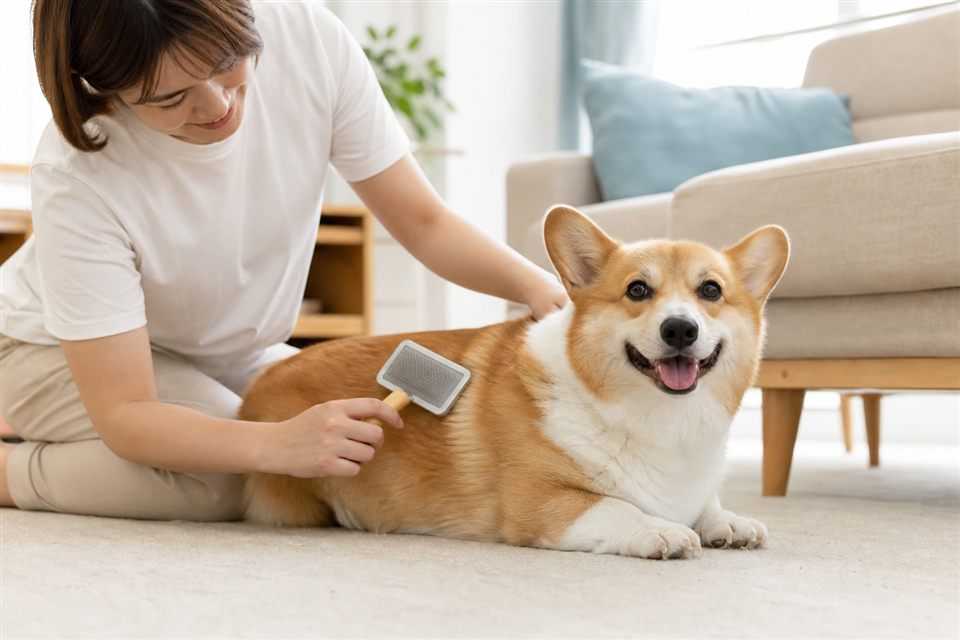
Tom noticed his Corgi, Biscuit, clicking on the hardwood—not the main nails, but the little thumb claw on the front leg that never touched pavement. Dew claws grow in a curl because they do not wear down on walks. Left alone, they snag on blankets and break painfully. Tom wanted a quick home trim, not a bloody lesson in regret.
Key points at a glance
- Dew claws on front legs usually need trimming every two to four weeks; rear dew claws vary by breed.
- Use sharp scissor-style or guillotine clippers sized for your dog; dull tools crush nails.
- Trim small slices parallel to the ground; stop when you see a chalky center or pink quick in light nails.
- Keep styptic powder ready; call your vet if a nail splits, bleeds heavily, or the dew claw looks ingrown.
What dew claws are and why they matter
Dew claws sit higher on the inner leg—like a thumb. Most dogs have them on front paws; some breeds (Great Pyrenees, Briards) have double rear dew claws. Unlike main nails, they rarely contact the ground, so they grow long and curved. Overgrown dew claws can:
- Grow into the paw pad
- Catch on fabric and tear partially
- Cause limping or chronic licking
Regular trims prevent emergencies.
Tools and setup
| Tool | Pros | Cons |
|---|---|---|
| Scissor clippers | Good control on curved dew claws | Requires confident hand placement |
| Guillotine clippers | Quick for thin nails | Can twist nail if dull |
| Nail grinder (Dremel-style) | Gradual, less quick risk | Noise may scare anxious dogs |
Add a non-slip surface, treats, styptic powder (or cornstarch in a pinch), and good lighting. A helper holding Biscuit steady beats wrestling alone.
Finding the quick safely
On white or clear nails, the pink quick is visible—stop two millimeters before it. On black nails, trim 1–2 mm at a time until you see a dark dot surrounded by chalky white material—that is your stop sign.
Dew claw quicks often extend farther down the nail curve than you expect because the nail grows in an arc. When in doubt, less is more; you can trim again in a week.
Step-by-step trim
- Hold the paw gently and extend the dew claw with your thumb—do not yank the leg.
- Identify the nail curve and clip across the tip, not up the side (reduces splitting).
- Remove tiny amounts until the tip no longer hooks when you drag it on your fingernail.
- File rough edges if needed so fabric does not catch.
- Reward before moving to the next paw.
Rear double dew claws need individual attention—do not assume one clip fits both.
If you cut the quick
Stay calm. Pressure with styptic powder for thirty seconds usually stops bleeding. Avoid walking on salted roads that day. If bleeding exceeds ten minutes or Biscuit will not bear weight, contact your vet.
Dogs remember pain. If you quick him once, return to shorter, more frequent trims and consider a grinder for gradual removal.
When to skip DIY
Leave dew claws to a groomer or vet if:
- The nail is embedded in the pad or severely curled
- The area is red, swollen, or oozing
- Your dog has a bleeding disorder or is on blood thinners
- You cannot safely restrain a large or reactive dog
Some veterinarians remove loosely attached rear dew claws during spay/neuter; that is a medical decision, not a cosmetic default.
Front vs rear dew claws
Front dew claws are the usual troublemakers because dogs use their front paws to dig, climb, and grip toys. Rear dew claws—present in some breeds, absent in others—may never need trimming if they are tight to the leg and short. Feel each claw individually rather than assuming all four paws match.
If Biscuit has floppy rear dew claws that wobble when you touch them, your vet may discuss whether they are structurally sound. Loose attachments snag more often and sometimes benefit from surgical removal, but that is a conversation for the clinic—not a home clipper decision.
Tom now trims Biscuit's dew claws every three weeks in under five minutes—one paw per treat break. Small, frequent cuts beat the quarterly drama that used to end with a towel full of blood.
This article is for informational purposes only and does not replace professional veterinary advice. Have your veterinarian or groomer demonstrate technique on your dog if you are unsure about nail anatomy or your dog's specific dew claw structure.