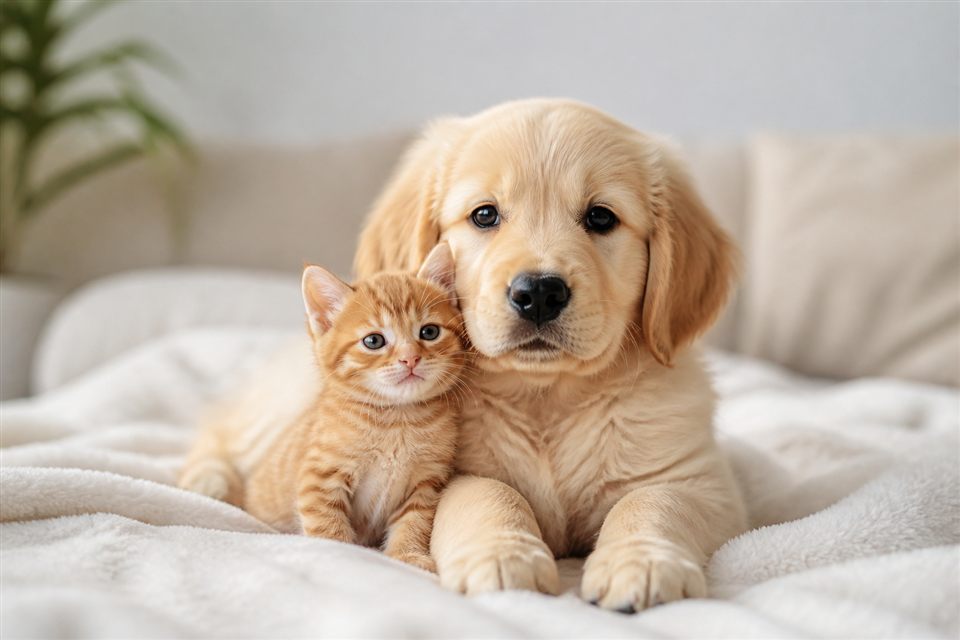
Foster caregiver Elena picked up a ten-week-old kitten named Pip from a shelter intake photo that made her heart ache. Pip's ribs showed when he breathed, but he ate voraciously and played like a wind-up toy. Elena wondered whether Pip was dangerously underweight or simply a lean kitten catching up after a rough start. Scales help, but daily home checks — ribs, waist, muscle, energy — tell most owners whether a kitten needs more calories, parasites treated, or simply time to grow.
Key points at a glance
- Healthy kittens have palpable ribs with light fat cover — not sharp ridges visible from across the room.
- Body condition scoring at home uses look, feel, and behavior — not breed weight charts alone.
- Growing kittens can appear lean during growth spurts; sudden weight loss is never normal.
- Parasites, illness, and inadequate calories are common causes of true underweight kittens.
- Weekly weigh-ins and vet exams confirm what your hands and eyes detect.
Healthy kitten weight versus too skinny
Kittens should gain weight steadily from birth through adolescence. Pip at ten weeks was in a rapid growth phase — but visible spine and hip bones signaled underweight, not athletic leanness.
Too skinny signs at home:
- Ribs, spine, and hip bones visible at rest without touching
- Pronounced waist tuck that looks hollow from above
- Little muscle over shoulders and thighs — bony feel when petting
- Dull coat, lethargy, or weak play despite age
- Potbelly with thin ribs — can mean worms, not healthy chub
Healthy weight signs:
- Ribs felt easily with flat palms but not seen prominently when standing
- Gentle waist visible from above after weaning age
- Abdominal tuck from the side without emaciation
- Bright eyes, active play, consistent appetite
- Steady weekly gain on scale until growth slows near adulthood
Lean and starving are not the same. Active kittens often look slim; emaciated kittens look fragile.
Elena's home body condition check for Pip
The rib test. Elena ran fingers along Pip's sides without pressing hard. Ribs noticeable? Normal. Ribs sharp like knuckles? Too thin.
The overhead view. From above, a slight hourglass is healthy. Extreme inward pinch behind ribs suggests underweight.
The side profile. Abdominal tuck should exist. Extreme tuck with visible spine is concern.
The pinch test. Light skin pinch over shoulders — some substance over bone, not paper-thin.
Energy and stool. Pip played hard and produced formed stools. Lethargy plus diarrhea would have escalated urgency.
| Finding | Likely assessment | Action |
|---|---|---|
| Ribs felt, not seen | Healthy lean | Monitor weekly |
| Ribs visible at rest | Underweight | Vet exam, deworm, adjust feeding |
| Potbelly + thin ribs | Possible parasites | Fecal test, treatment |
| Sudden weight drop | Medical concern | Same-day vet call |
| Chunky, no waist | Overweight (uncommon young) | Portion review with vet |
Why kittens become underweight
Inadequate intake. Wrong formula, early weaning, or competition in litters.
Parasites. Roundworms and other parasites steal nutrition — common in shelter kittens like Pip.
Illness. URI, diarrhea, congenital issues, or infections suppress growth.
Stress. Poor environment or constant fear reduces eating.
Incorrect feeding. Adult cat food, dog food, or unbalanced homemade diets fail growing kittens.
Elena's vet found roundworms and adjusted Pip's calorie plan. Weight gain followed treatment — confirming skinny was medical, not cosmetic.
Feeding for healthy gain — not just "more food"
Kittens need kitten-formulated food until roughly twelve months. Structured meals beat guessing with free-feeding alone.
Weigh weekly on the same scale. Flat lines or losses trigger vet calls.
Avoid human fattening tricks without professional approval.
When home checks are not enough
See your veterinarian promptly if Pip:
- Vomits or has diarrhea more than a day
- Refuses food for twelve hours (kittens crash fast)
- Has visible ribs and low energy together
- Was found as stray without known feeding history
- Fails to gain over two weeks despite increased food
Breed charts online vary wildly. A Maine Coon kitten and a Siamese kitten at healthy weights look different on the same number.
The bottom line
Telling if a kitten is too skinny or healthy weight at home means combining rib feel, overhead waist view, side profile, energy level, and weekly scale trends — not guessing from one photo angle. Pip looked thin because he was underweight, not because kittens are supposed to show every vertebra. Elena used hands-first checks, weekly weighs, and a vet deworming plan until Pip's ribs stayed felt-but-not-seen and play stayed fierce. When visible bones outpace appetite, treat skinny as a medical question, not a waiting game.
This article is for general informational purposes only and does not replace advice from your veterinarian.