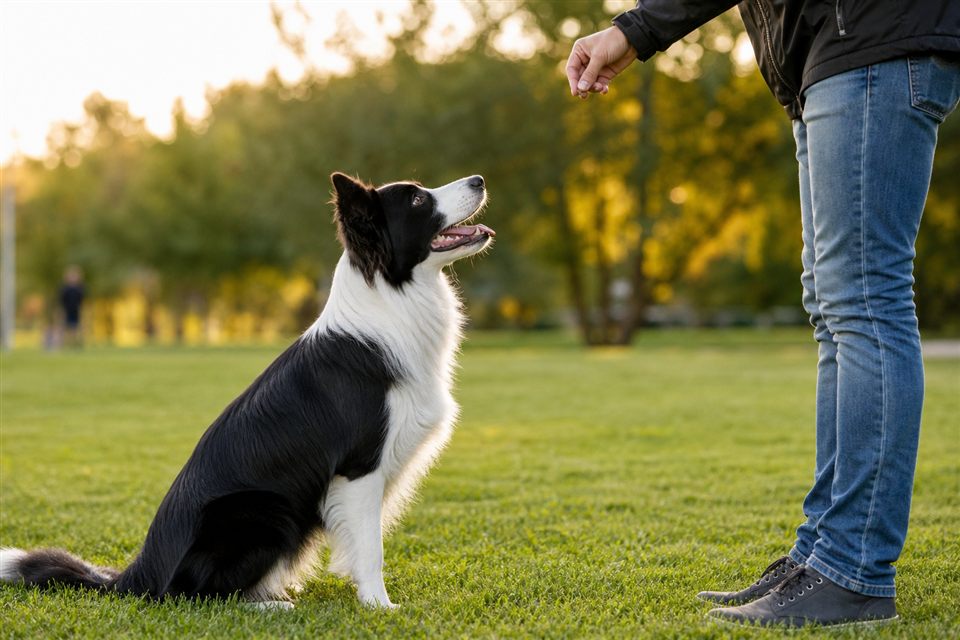
Marisol nearly lost her iced coffee on a Tuesday at 6:40 p.m. when Dutch, her two-year-old Belgian Malinois, spotted a Labrador across the bike lane and hit the end of the leash like a freight train. Her palm burned. The Labrador's owner crossed the street. Dutch barked until the other dog vanished behind a parked van, then looked back at Marisol as if she had been the problem. She started walking at 5:30 a.m. after that, which lasted four days.
Key points at a glance
- Lunging is usually fear, frustration, or both, not a bid for "dominance."
- Training fails when you start too close; distance is the first tool.
- High-value food (not kibble from breakfast) buys attention during a pass-by.
- Yanking the leash often makes the next lunge louder.
- Daily 10-minute drills beat one heroic weekend of "socialization."
- A sudden change in lunging, or snapping that draws blood, needs a vet check for pain.
Why does a dog lunge at other dogs on leash?
A loose dog can arc, sniff, and leave. A leashed dog cannot. That trapped feeling turns many sociable dogs into sidewalk fireworks. Dutch had played fine at a fenced field as a puppy. On a 6-foot leash, with Marisol frozen and holding her breath, every approaching dog became a threat he had to handle himself.
Frustration looks similar from the outside. Some dogs want to greet and cannot, so they scream. Fear looks like a hard stare, then an explosion. Mixed cases are common. Calling it "dominance" usually stops people from giving enough space, which is what actually lowers the volume. Pain hides here too. If lunging started after a fall, a tight harness, or a dental week, get that checked before you blame manners.
How far away should you start?
Work at the distance where your dog can still eat. That is the real test, not "he looks okay." If Dutch spit out roast chicken at 30 feet, Marisol was too close. She backed up to 50 feet, behind a parked car if needed, and fed a stream of pea-sized bits while the other dog passed.
| Distance from the other dog | What you should see | What you do |
|---|---|---|
| 40–60 feet | Soft mouth, takes food, glance then look away | Mark the glance ("yes"), feed, keep walking |
| 25–40 feet | Slight stall, still eats | Increase arc; do not stop and stare |
| 15–25 feet | Stiff body, slow to take food | You went too close; reset farther out |
| Under 15 feet | Lunging, barking, ignoring food | Leave. That session taught the old habit |
City sidewalks are awkward. Use driveways, empty lots, and the far side of the street. Crossing the street is training, not failure.
What do you actually do during a pass-by?
Pick a marker word. Marisol used "yes." The instant Dutch looked at the other dog and then back, she marked and put chicken in his mouth. Keep moving. A planted owner and a planted dog turn into a staring contest. Walk past on a curve. Talk in a normal voice.
Treats need to beat the scenery: boiled chicken or cheese, not breakfast kibble, in a pouch you can open with one hand. Skip retractable leashes; they pay the dog for hitting the end. A front-clip harness can help you steer. Skip prong and shock collars.
If a lunge happens, do not jerk. Turn and walk away in an arc, then feed. Scolding after the fact teaches your dog that other dogs predict you getting loud.
How long until walks look normal?
Marisol saw fewer full lunges after 12 days of short, boring routes. Real fluency took closer to eight weeks. Plan in weeks, not one Saturday. Keep a tiny log of pass-bys so you can see change. When 25 feet starts to work, shave five feet over several sessions.
A trainer who uses food and distance (CPDT-KA or a veterinary behaviorist) is worth the $150–$250 consult if you freeze, if children hold the leash, or if Dutch's mouth has ever made contact.
This article is for general education only and does not replace veterinary or behaviorist care. Call your vet if lunging starts suddenly, if pain seems likely, or if your dog has bitten.