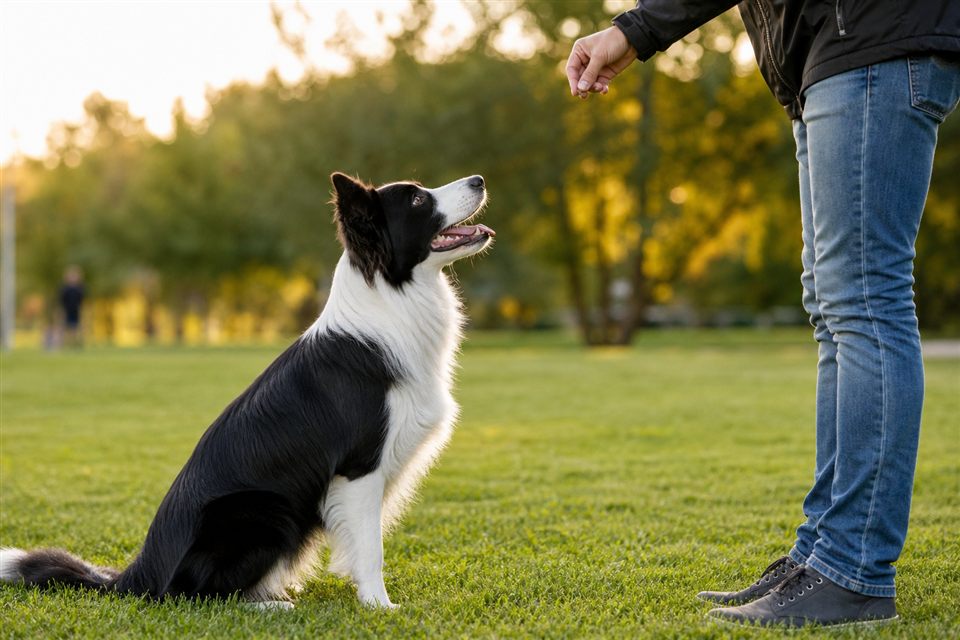
Elena adopted a three-year-old rescue, Milo, who had always used a fenced backyard in his previous home. Her fourth-floor walk-up had no garden—only a narrow sidewalk, a tree pit, and a skeptical doorman who timed elevator rides. Milo held his bladder for fourteen hours on move-in day rather than eliminate on leash. Elena stood in the drizzle at midnight wondering if city life would ever work. It can, but leash potty training is a skill dogs learn—it is not automatic.
Key points at a glance
- Many dogs raised with private yards never learned to eliminate on leash; they need explicit retraining.
- Consistent schedule, one potty cue word, and repeated trips to the same surface speed success.
- Longer leashes (six to eight feet) help dogs find a comfortable spot away from your feet.
- Patience matters—holding for many hours is common during the first days.
- Balcony pads and indoor grass can bridge the gap but require a clear transition plan to outdoor leash potty.
Why leash potty is hard for some dogs
Dogs are contextual learners. Milo associated "bathroom" with grass off the back door, unhurried privacy, and no human hovering. Leash potty adds constraints:
Proximity to the handler. Some dogs dislike going while attached to a person standing two feet away.
Surface preferences. Concrete, tree pits, and gravel feel wrong to dogs used to lawn.
Distraction and overstimulation. City noise, other dogs, and traffic make relaxation harder.
Past punishment or anxiety. Rescue dogs may have been scolded for accidents indoors and now over-hold outside.
None of this means Milo is stubborn. He genuinely does not understand the new rules yet.
Setting up an apartment-friendly potty routine
Fixed schedule. Take Milo out first thing in the morning, after meals, after naps, after play, and last thing at night. Puppies and seniors need more frequent trips. A dog who has never eliminated on leash may need hourly opportunities at first.
One exit route and one cue. Use the same door, elevator, and patch of sidewalk. Say one phrase—"go potty"—once you reach the spot. Do not repeat it endlessly; one calm cue per trip.
Longer leash at the spot. Clip a six- to eight-foot leash when you arrive at the tree pit so Milo can circle and sniff without pulling your wrist. Short leashes keep dogs too close for comfort.
Boring trips. Potty outings are not walks. Go to the spot, stand still, wait up to ten minutes. If nothing happens, return inside (supervised or crated) and try again in twenty to thirty minutes.
Reward immediately. The moment Milo finishes, praise calmly and offer a treat right there—not after the elevator ride. Timing locks in the behavior.
Log successes. Elena tracked every pee and poop for two weeks. Patterns emerged—Milo preferred the quieter side street after breakfast.
Teaching the leash potty step by step
Step 1: Decompress before expecting output. New rescues may need forty-eight hours of calm before they feel safe enough to go. Do not panic on day one if nothing happens outdoors.
Step 2: Collect scent. Bring a paper towel with a prior accident or a bit of urine from an acceptable outdoor spot to the tree pit. Scent marks the area as legal.
Step 3: Movement helps. Slow circles, sniffing time, and avoiding eye contact reduce pressure. Staring at Milo often makes holding worse.
Step 4: Extend patience gradually. If Milo holds for hours, split trips: short outing, brief indoor rest on leash attached to you, try again. Extreme holding can risk urinary issues—consult your vet if it exceeds twenty-four hours.
Step 5: Fade indoor alternatives deliberately. If you use balcony pads temporarily, move them closer to the door over time, then eliminate them once outdoor leash success is consistent. Running both forever confuses some dogs.
| Challenge | Practical fix |
|---|---|
| Won't pee on concrete | Try grass patch on balcony, then real grass at park same trip |
| Too distracted | Pre-dawn quiet trips before full walks |
| Holds forever | More frequent short outings, vet check if prolonged |
| Only goes on walks mid-route | Stop at potty spot first; no walk until business done |
Balcony pads and grass patches as training tools
Artificial grass trays and real sod patches on a balcony can help dogs who refuse all outdoor surfaces initially. Treat them as temporary bridges, not permanent substitutes unless your lifestyle requires them.
Place the patch near the door Milo uses for outdoor trips. After he uses it reliably, carry scent outdoors and shorten indoor access. Some apartment dwellers keep a pad for blizzards or post-surgery recovery— that is fine if the routine is intentional, not accidental.
Common mistakes in city potty training
Immediate long walks before potty. Milo learned to hold through the exciting walk and accident indoors later.
Multiple cue words. "Go pee," "hurry up," and "do your business" sound like different games. Pick one.
Punishing accidents. Clean with enzymatic cleaner and adjust schedule. Scolding teaches hiding, not leash potty.
Insufficient time outside. Two minutes is not enough for a dog learning a new context.
When to call the veterinarian
See your vet if Milo has not urinated in twenty-four hours, shows straining without output, has blood in urine, or has diarrhea with lethargy. Medical issues—not training failure—can cause holding or accidents.
The bottom line
Milo refused leash potty because backyard habits do not transfer to city sidewalks automatically. Elena succeeded with a strict schedule, a quiet side-street spot, a longer leash at the tree pit, and immediate rewards. Teaching a dog to eliminate on leash in a yardless apartment is absolutely doable—it just requires the same patience you would give a puppy learning for the first time. Milo now pees on cue before Elena's coffee finishes brewing. The doorman still watches the elevator; Milo no longer holds secrets.
This article is for general education only and does not replace advice from a licensed veterinarian.