The moment Theo grabbed a sock, the apartment became a sprint track. His roommate, Ben, lunged after him — which made Theo bolt faster, tail high, sock trophy clamped in his jaws. Every chase taught Theo the same lesson: stolen objects are the best toys because humans make them exciting.
Key points at a glance
- Chasing reinforces keep-away; running is rewarding even when you are angry.
- Teach drop it as a calm trade — not a wrestling match over forbidden items.
- Practice with boring duplicates before you need an emergency release on something dangerous.
- Never corner a dog with a high-value stolen item unless safety demands it — trade instead.
- Reliable drop it saves dogs from swallowing toxins, bones, and small objects.
Why chase makes everything worse
From the dog's perspective, grab-and-run triggers a thrilling social game. You become the pursuer; they become the winner. Even negative attention — shouting, grabbing — adds arousal. Theo was not being malicious; he had learned theft launches the most exciting activity in the house.
Build drop it before you need it
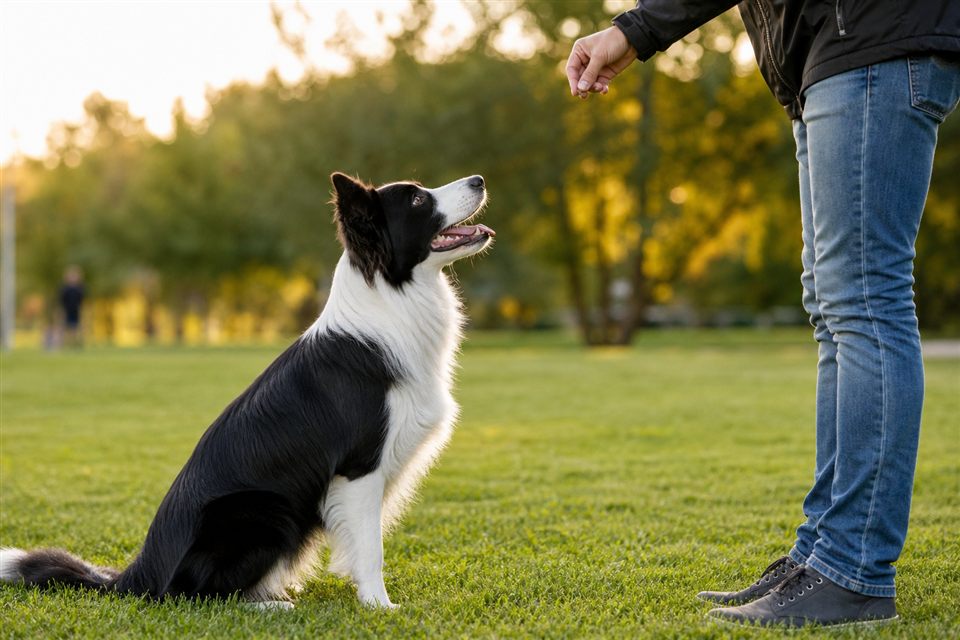
Start with low-value items during calm moments. Let Theo hold a toy briefly, present a treat at his nose, and say "drop it" once. When jaws open, mark and let him have either the treat or the toy back — sometimes both in early stages. Returning the item teaches that releasing does not always mean losing.
Repeat until the verbal cue predicts the trade without needing a treat under his nose every time. Gradually use less valuable food and more praise.
The emergency swap
When Theo grabs something real — a chicken bone, medication, underwear — do not chase. Walk calmly toward the kitchen, open the fridge, and offer something spectacular: cheese, hot dog, rotisserie chicken. Most dogs follow the smell. Drop treats on the floor if needed; pick up the hazard while they eat.
If you must reach into his mouth, do so only for true emergencies and follow with a generous trade so drop it stays associated with gain, not loss.
Games that teach release without theft
- Two-toy fetch: Throw toy A; when he returns with it, show toy B. He drops A to get B thrown.
- Hand-delivered tug with built-in breaks: Pause, cue drop, restart play as reward.
- Leave real socks boring: Puppy-proof laundry hampers so practice happens on toys, not your running gear.
What to avoid
- Tug-of-war over stolen items — teaches clamp harder.
- Punishment after he finally drops — teaches next time hold longer.
- Repeating drop it loudly while chasing — cue becomes noise.
The bottom line
Teaching drop it without a chase game means never turning stolen objects into sprint triggers. Train calm trades in quiet moments, use spectacular food swaps in emergencies, and manage the environment so socks stay uninteresting. Ben stopped chasing; Theo started dropping — because letting go became the fastest path to something better, not the end of fun.
This article is for general education only and does not replace advice from a licensed veterinarian.