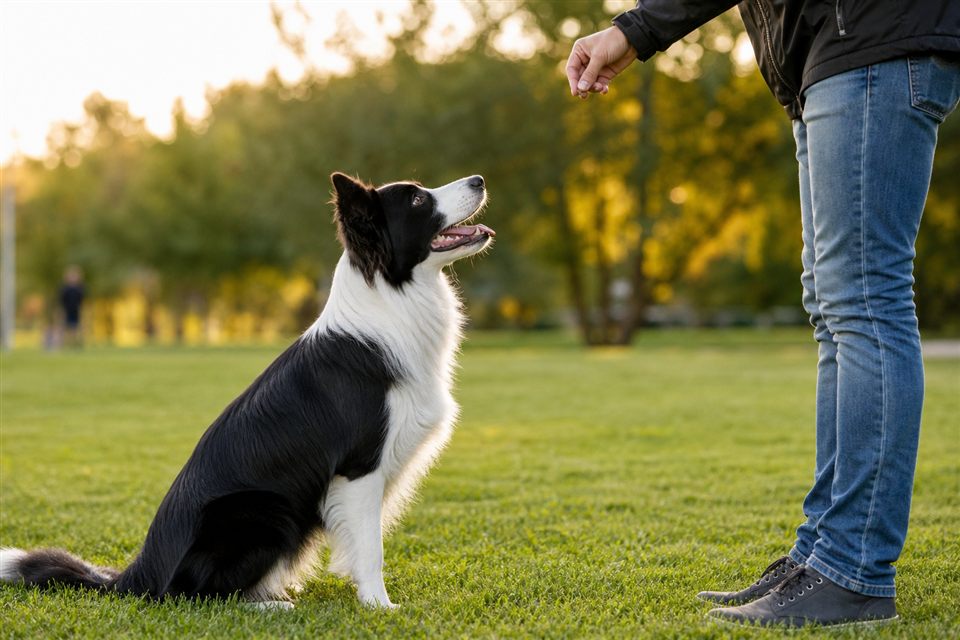
Callum's coffee went cold on the porch the morning Pike, his three-year-old Australian Cattle Dog, hit the chain-link at a full run. A school bus had turned the corner. Pike's nails scraped a gravel path worn by months of the same race. A neighbor texted slobber on the metal. Callum had been yelling "leave it" from the steps, which Pike treated as a starter pistol.
Key points at a glance
- Fence-line car chasing is prey drive plus barrier frustration, not a dog "doing his job."
- If he can see the wheels, he will often run; blocking the view beats shouting.
- Train a settle spot away from the street first, then use it in the yard.
- Chasing your dog along the fence makes you a teammate in the race.
- Supervised yard time stays the rule until the groove in the grass fades.
- A new frantic habit, or a limp after hitting the wire, needs a vet look.
Why does the fence turn into a racetrack?
Cars move, whoosh, and vanish. For a herding dog, that is a flock that will not take instruction. Pike could not reach the bus, so the frustration became speed and noise. Cattle dogs, shepherds, sighthounds, and plenty of mutts wear a path because the car "leaves," which feels like a win.
Yelling from the porch marks the moment the car appears. Shock collars and hose sprays add panic. Some dogs then guard the fence harder. If the sprint started after a nail tear or a sore hip week, get that checked. Most fence racers are healthy and under-worked, but a sudden change is not "just Pike."
What stops the sprint faster than a lecture?
Start with the view. Privacy slats, outdoor mesh, or a reed screen on the street side remove the moving tires. Callum spent $38 on slats for the 20-foot stretch Pike used. The bus still passed. Pike still heard it. He did not get a full visual lock, and the first morning run shortened.
Do not leave a fence-racer loose "to burn energy." That rehearses the hobby. Use a leash or long line until a new habit exists. A 40-minute sniff walk before yard time drops more fuel than a 6-minute fetch that winds him up and dumps him at the wire.
| What you see | What it usually means | What to do first |
|---|---|---|
| Sprint only when wheels pass | Visual prey chase | Block the view on that stretch |
| Barks at walkers too | Frustration, under-exercise | Longer sniff walk before yard time |
| Race plus fence biting | Arousal hitting the barrier | Long line; no off-leash yard yet |
| New obsession after a scare | Fear or pain | Vet check, then slower reintro |
How do you train an alternative?
Callum put a rubber mat 15 feet off the fence. He fed Pike there for a week with no cars in the drill: down, then a stuffed toy. The mat had to pay better than the gravel path. Then he played a quiet traffic video. If Pike glanced and looked back, Callum marked "yes" and fed. If Pike bolted, the session was too hard.
Kitchen recall does not transfer to a bus. Practice "here" on a 20-foot line when the street is quiet. Use chicken, not breakfast kibble. Call once. If he does not come, go get him. When a real car appears, you are managing, not testing. Step between him and the fence if you can do it safely, scatter food on the mat, and wait.
A CPDT-KA trainer is worth it if Pike has slipped the yard, if kids play on the sidewalk, or if his teeth have chipped on the wire. Callum saw shorter runs in 10 days. The habit took about six weeks of leashed yard time. Night headlights can linger after daytime traffic gets easier, so treat dusk as its own drill. Keep kids from teasing through the fence.
This article is for general education only and does not replace veterinary or behaviorist care. Call your vet if fence running starts suddenly, if your dog is injured on the wire, or if boundary aggression is new.