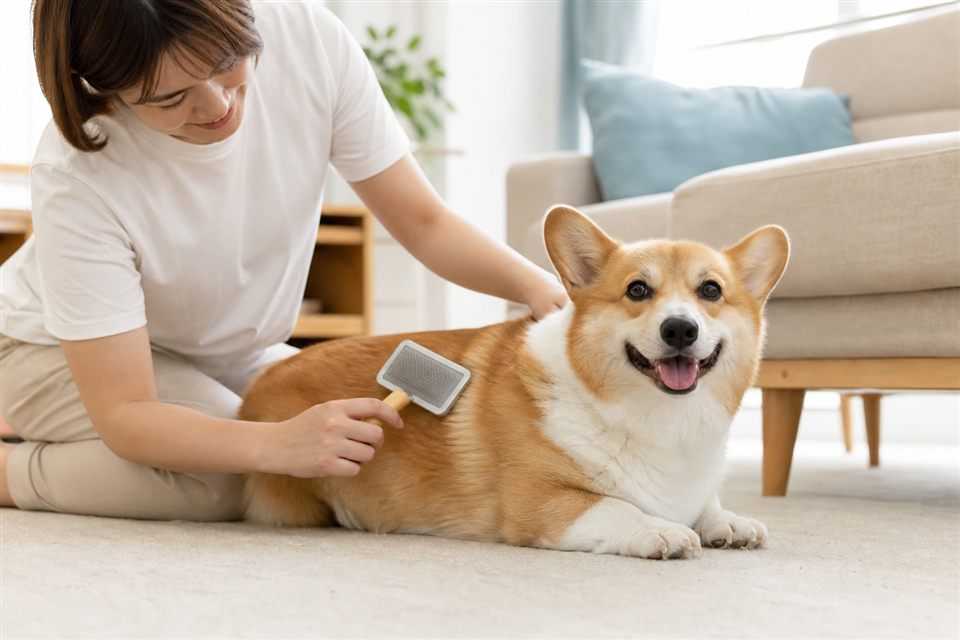
After a trail run through tall grass, Jake's Australian Shepherd, Scout, came home wearing a coat full of sticky burrs and one sharp foxtail buried near his armpit. Jake feared a full shave was inevitable, but with patience and the right tools he cleared Scout's fur in an hour—without buzzing off months of healthy coat. Burrs are annoying; foxtails are dangerous. Knowing the difference guides your approach.
Key points at a glance
- Work burrs out from the tips downward with detangler and a comb; never yank from the skin.
- Foxtails in ears, paws, nose, or skin need veterinary removal—do not dig at embedded awns at home.
- Coconut oil, commercial detangler, or rubbing alcohol on burrs softens grip before combing.
- Post-hike checks prevent foxtails from migrating into tissue.
Burrs vs foxtails: why it matters
Burrs are seed pods that cling to fur with hooks. They mat hair but rarely pierce skin if removed promptly. Foxtails are grass awns with barbed tips designed to travel one direction—forward. Once embedded, they can migrate into paw pads, ears, nostrils, or lungs. Scout's armpit foxtail was partially visible; Jake stopped tugging and called the vet when he saw broken skin.
If your dog sneezes repeatedly after a field walk, shakes one ear violently, or licks a paw swollen between toes, assume foxtail until proven otherwise.
Tools that save the coat
| Tool | Use for | Skip |
|---|---|---|
| Wide-tooth comb | Initial separation | Scissors near skin without visibility |
| Slicker brush | Fine burr clusters | Pulling mats with bare hands |
| Dematting rake | Tight tangles at ends | Shaving as first resort |
| Detangling spray or diluted conditioner | Softening burr grip | WD-40 or harsh solvents |
| Blunt-tip scissors | Cutting burr clusters above mat | Cutting flush to skin |
Jake soaked stubborn burrs with a pet-safe detangler, waited five minutes, then combed from the hair tips toward the skin in small sections.
Step-by-step burr removal
- Calm your dog with treats; work in short sessions if they are restless.
- Inspect paws, ears, belly, and armpits first for foxtails before tackling cosmetic burrs.
- Apply detangler to affected patches and let it sit.
- Hold the fur below the burr to reduce pulling on skin.
- Comb or pull burrs apart with fingers when softened; cut off individual burrs above a tight mat if needed.
- Brush through once burrs are gone to restore coat texture.
- Bath optionally to remove plant oils and remaining debris.
For long-coated breeds, section hair with clips like a groomer would. Working systematically beats random tugging that creates bigger mats.
When shaving is actually necessary
Sometimes mats are too tight against skin, foxtails are fully embedded, or burrs cover large areas after neglected grooming. A professional groomer can shave affected zones while preserving coat elsewhere. Jake avoided a full body shave because Scout's burrs sat mostly on outer guard hairs from a single hike.
If skin is red, broken, or oozing beneath a mat, see your vet before grooming—hidden wounds need treatment first.
Preventing the next hike disaster
- Use a lightweight dog coat on breeds with feathering in seed-heavy seasons.
- Stick to mowed trails during foxtail peak months (late spring through summer in many regions).
- Run a comb through coat, ears, and paws within minutes of returning home.
- Trim feathering on paws and ears if your vet or groomer recommends it for your terrain.
Scout now gets a five-minute foxtail check before entering the house. Jake keeps a small detangler bottle by the door. One prevented migration beats an emergency sedated removal.
Aftercare and monitoring
Watch for limping, head tilt, persistent licking, or swelling for 48 hours after any field adventure. Foxtails can enter through nostrils during sniffing without obvious coat attachment. Early vet visits cost less than abscess surgery.
Burrs test patience; foxtails test urgency. With the right tools and post-walk habit, Jake kept Scout's full coat—and his skin safe—through an entire hiking season.
This article is for informational purposes only and does not replace professional veterinary advice. Embedded foxtails, eye involvement, or signs of infection require prompt veterinary care.