
Bath-time advice online ranges from "never" to "every week," which leaves new owners confused and dogs with either muddy coats or dry, itchy skin. The right schedule depends on coat type, skin health, activity level, and whether a vet prescribed medicated washes. Most healthy pet dogs do fine with bathing every four to eight weeks — but the details matter.
Key points at a glance
- Over-bathing strips natural oils and can worsen itching; under-bathing allows matting and odor buildup.
- Short-coated dogs often need fewer full baths than long or oily coats.
- Active outdoor dogs, allergy sufferers, and skin-disease patients follow different rules.
- Always use dog-formulated shampoo — human products disrupt skin pH.
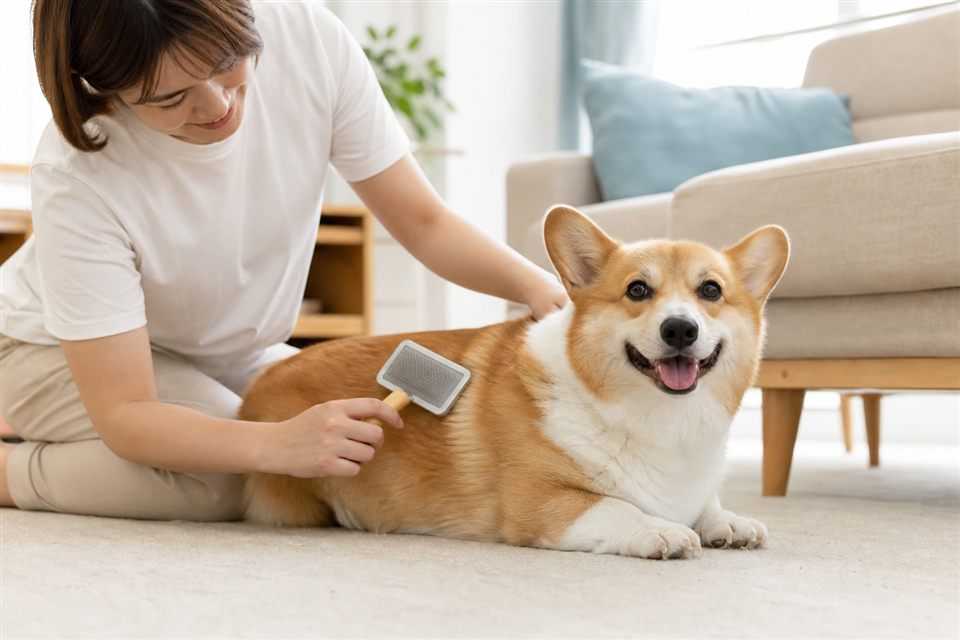
- Brush thoroughly before and after bathing to prevent mats and speed drying.
General bathing frequency by coat type
| Coat type | Examples | Typical bath interval | Notes |
|---|---|---|---|
| Short / smooth | Beagle, Boxer, Dalmatian | Every 6–8 weeks | Wipe-down with damp cloth between baths |
| Double coat | Husky, Golden Retriever, German Shepherd | Every 6–8 weeks; more in shed season | Never shave; blow-dry undercoat fully |
| Long / silky | Yorkie, Afghan, Maltese | Every 3–4 weeks | Daily brushing often matters more than baths |
| Curly / wool | Poodle, Bichon, Doodle mixes | Every 3–4 weeks | Professional grooming every 4–6 weeks common |
| Oily / water-repellent | Labrador, Chesapeake Bay Retriever | Every 4–6 weeks | May develop "dog smell" faster |
| Hairless / thin coat | Chinese Crested | Every 1–2 weeks | Skin sunscreen and moisturizer per vet advice |
These are starting points — adjust for smell, dirt, and veterinary guidance.
Lifestyle factors that change the schedule
Outdoor adventure dogs
Rolling in mud, swimming in lakes, or hiking dusty trails may require immediate rinse-offs without full shampoo every time. Rinse clean water-only when possible to preserve coat oils; shampoo only when truly dirty or smelly.
Apartment dogs with minimal dirt
Many indoor small breeds stay clean for two months between baths if brushed weekly and paws wiped after walks.
Dogs with allergies (environmental or contact)
Your veterinarian may recommend medicated baths weekly or biweekly during flare-ups. Follow product instructions exactly — contact time on skin often matters as much as the formula.
Skin infections or seborrhea
Prescription chlorhexidine, miconazole, or sulfur shampoos come with custom schedules. Do not substitute over-the-counter products without approval.
Signs you are bathing too often
- Flaky skin or increased scratching within 24–48 hours after baths.
- Dull, brittle coat despite good nutrition.
- Redness in armpits, groin, or belly — friction and stripped oils irritate sensitive areas.
Extend intervals and ask your vet about leave-on conditioners or omega-3 supplements if dryness persists.
Signs your dog needs a bath sooner
- Visible dirt you cannot brush out.
- Oily feel when petting the back or tail base.
- Doggy odor returning after rolling or swimming.
- Mats forming near skin in long-coated breeds.
- Fecal or urine soiling around rear legs — clean promptly for hygiene, not just aesthetics.
Step-by-step: a skin-friendly bath at home
- Brush completely to remove tangles — wet mats tighten and hurt.
- Use lukewarm water — hot water dries skin.
- Wet coat thoroughly; apply dog shampoo from neck down (avoid eyes and inner ears).
- Massage 3–5 minutes; medicated shampoos may need longer contact — read labels.
- Rinse until water runs clear; leftover residue causes itch.
- Condition long or curly coats with a dog-safe conditioner if recommended.
- Towel dry; use low-heat blow dryer on thick coats, keeping airflow moving to prevent hot spots.
- Reward with treats so bath time builds positive associations.
Puppy and senior considerations
- Puppies: First bath around 10–12 weeks after vaccinations allow safer drying/warming; short, positive sessions only.
- Seniors: Arthritic dogs may need non-slip mats, raised tubs, or professional help to avoid injury.
Professional grooming vs. home bathing
Professional groomers handle breed-specific cuts, anal gland expression (when appropriate), and tough mat removal. Home bathing saves money for straightforward coats but requires proper tools — slicker brushes, high-velocity dryers for thick fur, and nail trimmers.
Combine both: home maintenance between groomer visits every 4–8 weeks for high-maintenance coats.
Common bathing mistakes
- Using human shampoo or dish soap regularly.
- Bathing before flea topical application without label guidance (may wash off protectants).
- Leaving a dog damp in a crate — yeast and bacteria thrive in moist skin folds.
- Skipping ear drying in floppy-eared breeds — moisture triggers infections.
The bottom line
Most dogs need a full bath somewhere between monthly and every two months, with shorter intervals for long, curly, or oily coats and longer intervals for clean, short-coated couch companions. Let dirt, odor, and your veterinarian's skin plan — not arbitrary calendar rules — guide you. Brush often, rinse thoroughly, and prioritize coat health over showroom shine.
This article is for general education only and does not replace advice from a licensed veterinarian. Follow your vet's bathing instructions for medicated skin conditions.