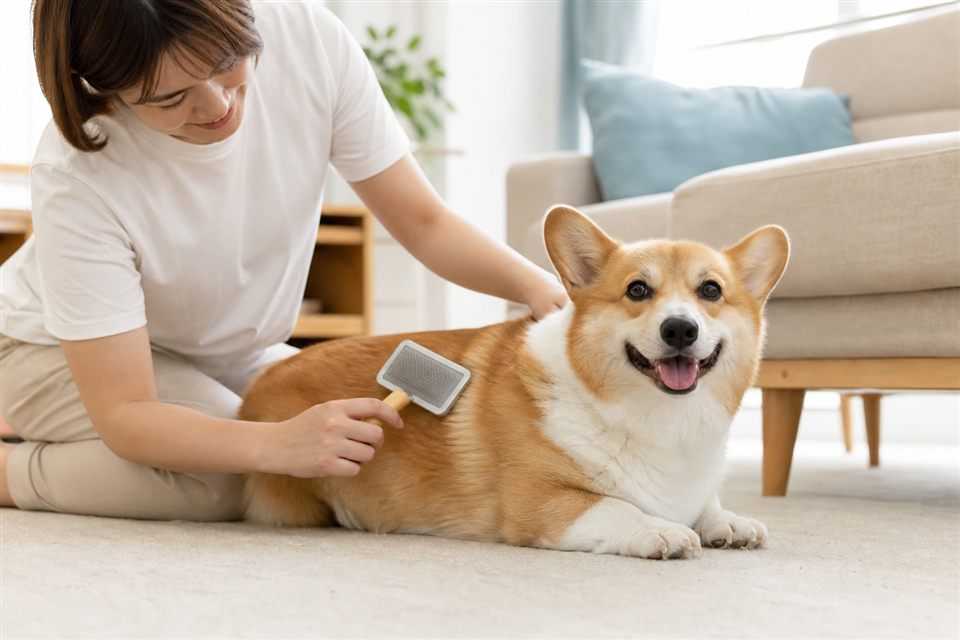

Dog breath is a punchline until it isn't. By age three, most dogs show early periodontal disease — tartar, red gums, and bacteria that seed infections in the heart and kidneys. Chewing toys help at the margins; daily tooth brushing remains the one home habit veterinary dentists actually endorse. The trick is picking tools your dog tolerates and building a two-minute routine you can sustain.
Key points at a glance
- Aim for daily brushing; every other day still beats weekly sporadic scrubs.
- Use dog-specific enzymatic toothpaste — human paste contains fluoride and xylitol toxic to dogs.
- Finger brushes suit small dogs; long-handled brushes reach back molars on large breeds.
- Dental chews and water additives are supplements, not replacements for brushing.
- Professional cleaning under anesthesia is still needed when tartar is already cemented on teeth.
Why dental home care matters
Plaque forms within 24 hours and hardens into tartar in days. Once tartar sits below the gumline, brushing alone cannot remove it — only scaling under anesthesia can. Starting before tartar builds keeps cleanings fewer and cheaper and reduces chronic pain owners mistake for "slowing down with age."
Small breeds and brachycephalic dogs (pugs, shih tzus) tend toward worse dental crowding — they often need extra diligence.
Tools that work — and gimmicks to skip
| Tool | Verdict |
|---|---|
| Soft bristle or silicone dog toothbrush | Effective cornerstone |
| Enzymatic poultry or malt toothpaste | Safe and palatable |
| Finger brush | Good for puppies and toy breeds |
| Gauze wrapped on finger with paste | Acceptable starter method |
| Human toothpaste | Never use |
| Baking soda alone | Abrasive, unbalanced — skip |
| Coconut oil only | No proven plaque control |
| "Anesthesia-free" scraping without vet exam | Cosmetic at best; misses subgingival disease |
Replace brushes every three months or after illness.
Building a brushing routine your dog accepts
Week 1: Let your dog lick toothpaste off your finger once daily — no brush yet.
Week 2: Lift lip briefly, touch teeth with finger, treat.
Week 3: Introduce brush with paste on front teeth only — five seconds per side.
Week 4: Add back molars in small circles; target outer surfaces where plaque accumulates most.
Keep sessions under two minutes. End before your dog struggles — always finish with a treat.
Proper brushing technique
- Position yourself beside or behind your dog, not face-to-face (less confrontational).
- Lift cheek flap to expose upper and lower canines and premolars.
- Angle bristles 45 degrees toward gumline.
- Use gentle circular strokes — scrubbing hard damages gums.
- Focus on outer surfaces; tongue cleans inner surfaces somewhat naturally.
Daily is ideal because plaque returns fast. If life interrupts, every other day maintains reasonable control for many dogs; once weekly helps minimally.
Signs you are overdue for a veterinary dental exam
- Persistent bad breath beyond morning breath.
- Brown or yellow tartar visible on teeth.
- Red, swollen, or bleeding gums when brushing.
- Loose teeth, pawing mouth, or dropping food.
- Swelling under eye on small breeds (tooth root abscess classic sign).
Your vet grades dental disease and recommends cleaning with X-rays when needed. Anesthesia allows safe subgingival scaling — awake scraping misses the disease below the gumline.
Supporting habits between brushings
- VOHC-approved dental chews reduce plaque modestly — match size to your dog to prevent choking.
- Dry kibble alone does not prevent disease; texture helps slightly, not magically.
- Raw bones carry fracture and obstruction risks — discuss with your vet before use.
- Water additives may help some mouths; choose products with veterinary dental research cited.
Puppies and seniors
Puppies with deciduous teeth benefit from early handling — adult cooperation starts now. Teething puppies may resist briefly; stay gentle.
Senior dogs with painful mouths need a vet exam before aggressive brushing — brushing infected gums hurts and creates aversion.
The bottom line
Brush your dog's teeth daily or every other day with dog toothpaste and a soft brush, focusing on outer gumlines in brief positive sessions. Start slow, reward generously, and pair home care with professional exams when tartar or gum disease appears. No chew toy replaces a toothbrush — but together they keep breath fresher and bodies healthier for years.
This article is for general education only and does not replace advice from a licensed veterinarian. Dental pain affects appetite and behavior — schedule an exam if mouth handling causes distress.