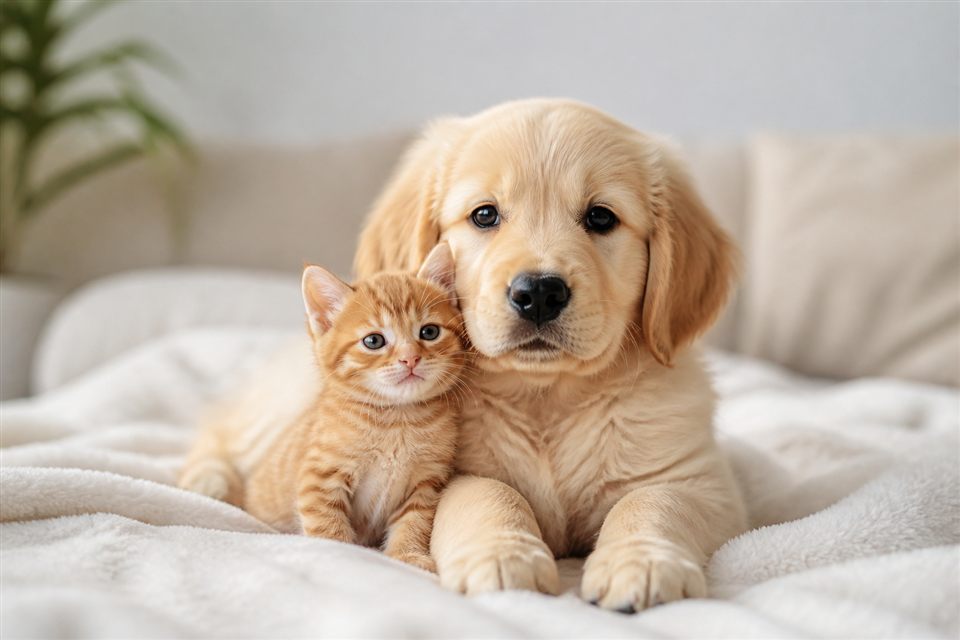
When Owen adopted ten-week-old Fig, his twelve-year-old tabby, Greta, responded to the carrier with a flat stare that could frost glass. Greta had ruled the apartment solo since kittenhood. Owen feared a split household—hissing forever or worse. Introducing a new kitten to an older resident cat safely, he learned, was less about one heroic meeting and more about weeks of boring logistics: scent before sight, sight before touch, and respect for Greta's retirement pace.
Key points at a glance
- Rush introductions cause lasting grudges; plan days to weeks depending on Greta's temperament.
- Separate rooms with closed doors give each cat secure territory and resources.
- Scent swapping—blankets, brushes—builds familiarity before face-to-face contact.
- Visual access through cracked door or baby gate precedes shared space.
- Supervised short sessions with escape routes beat all-day free roam on day one.
- Persistent aggression, refusal to eat, or elimination outside litter boxes needs vet or behaviorist help.
Set up two complete cat zones before arrival
Fig got a spare bedroom with litter, food, water, scratch post, bed, and hiding box. Greta kept the main living areas—no territory theft on hour zero. Owen installed a Felway-style diffuser in common hallway; evidence is mixed but low risk.
Greta's routine stayed sacred: same feeding spot, same lap time Owen scheduled daily. Change for Greta should mean addition of staff, not demotion.
Phase 1: Scent only (days 1–3)
Owen swapped bedding between rooms twice daily. He rubbed one soft cloth on Fig's cheeks, then on Greta's baseboards, and reverse—scent mingling without bodies.
He fed both cats on opposite sides of the closed door—bowls moved closer over days if neither hissed at the gap.
Greta sniffed under the door; Fig chirped. No visual yet.
Phase 2: Visual contact (days 3–7)
Owen propped the bedroom door with a tall baby gate plus secondary latch—kittens climb. Greta observed Fig from safety; Fig watched the elder empress.
Hissing at distance is normal; sustained lunging is not. Sessions lasted five to ten minutes, twice daily, ending on neutral note.
Play distracted Fig's zoomies from Greta's face.
Phase 3: Supervised shared space (week 2 onward)
Owen chose neutral territory— hallway neither cat slept in—for first meetings without gate. Fig on harness optional for extreme chasers.
Escape routes open—Greta could retreat to high shelf; Fig to carrier.
Owen rewarded calm glances with treats; ignored minor grumbles.
Sessions lengthened from ten minutes to thirty as Greta's tail language softened.
Reading Greta's limits
Older cats tire of kitten energy. Greta needed off-kitten hours—bedroom door closed while Owen played with Fig elsewhere. Forced 24/7 togetherness bred resentment.
Signs to slow down: flattened ears, swatting with claws, blocking litter access, Greta hiding days without eating.
Kitten manners Owen taught Fig
Redirect play to toys, not Greta's tail. Feed separately to prevent resource guarding. Two litter boxes minimum—one per cat plus one extra per ASPCA guideline.
Neuter Fig on schedule; hormonal males stress seniors faster.
Timeline expectations Owen wished he had heard
Week one: hissing normal. Week two: curiosity through gate. Week three: brief coexistence with supervision. Week four: Greta grumbled but shared couch armrest. Month three: not best friends, but truce. Owen stopped comparing to internet instant-friendship videos.
Senior health and introduction stress
Greta's vet check before Fig arrived ruled out pain that lowers tolerance—arthritis, hyperthyroidism, dental disease. Stressed seniors may skip meals; Owen weighed Greta weekly during intro month. Appetite stability meant stress remained manageable.
One kitten versus two kittens with a senior
Some rescues push adopting bonded pairs. Two kittens may overwhelm Greta faster but also entertain each other away from her. Owen chose one kitten and committed extra playtime for Fig—right for his space, not universal law.
When introductions fail temporarily
Some pairs need three weeks; others six. Owen's coworker used site-swap—Greta in bedroom while Fig explored living room under supervision—so each smelled the other's trail without confrontation.
Persistent fighting beyond six weeks with injury risk: consult veterinary behaviorist before surrender assumptions.
The bottom line
Greta never became Fig's wrestling buddy, but she stopped plotting exile by week four. Owen's slow intro—scent, gate, supervised snippets—let an older resident cat keep dignity while a kitten learned house rules. Safe kitten introductions respect the senior cat's timeline, not the human's excitement to snap one cute photo.
This article is for general education only and does not replace advice from a licensed veterinarian or certified behavior professional.