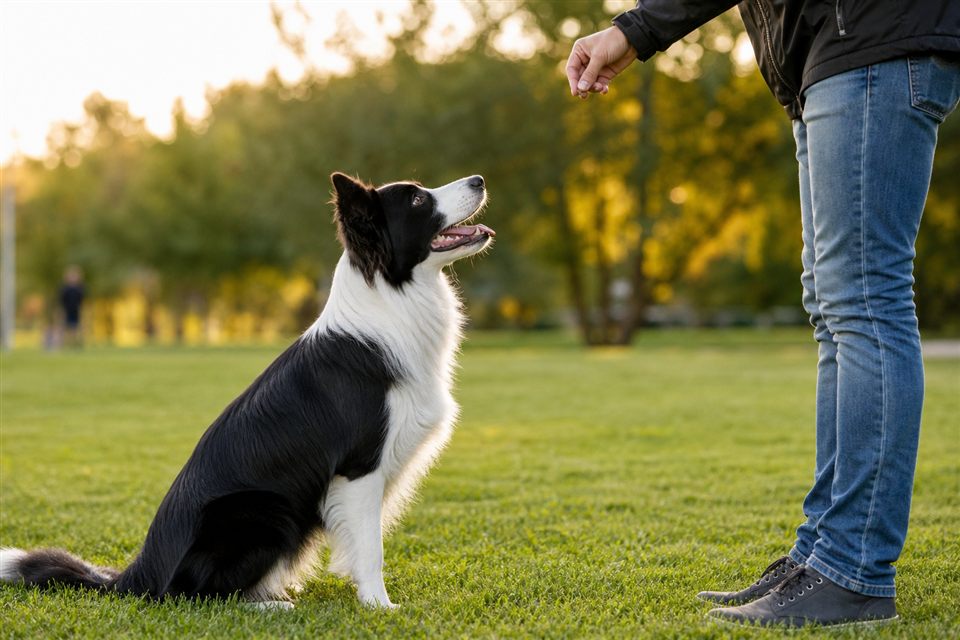
Nadia's newly adopted beagle, Pepper, seemed fine when Nadia worked from the dining table—until Nadia stood up to grab coffee. Pepper followed. When Nadia closed the bathroom door, Pepper scratched and whined. Day three of Nadia returning to the office, the landlord texted: barking for two hours straight. Pepper was not being spiteful. She was in panic mode—separation-related distress that peaks during early alone-time if pushed too fast. Nadia's first week plan needed to shrink absences, build tolerance, and avoid rehearsing full-blown panic.
Key points at a glance
- Separation anxiety is a panic disorder, not disobedience—slow desensitization beats hoping the dog "gets used to it."
- The first week should focus on sub-threshold absences the dog can tolerate without barking, destruction, or elimination.
- Video monitoring reveals what actually happens when you leave—owners often underestimate duration and intensity.
- Exercise, enrichment, and predictable departure routines help but do not replace graduated absence training.
- Veterinary support with medication or supplements may be appropriate when panic is severe; consult early.
How to tell separation anxiety from boredom
True separation anxiety shows distress specifically tied to your departure or absence: following you room to room, panic at pre-departure cues like keys and shoes, vocalization and destruction focused near exits, drooling, pacing, attempts to escape crates or doors. Some dogs refuse food when alone.
Boredom or demand barking may occur but often lacks the panicked body language and scales differently with exercise. Pepper vomited once in the crate and scratched until her nails bled—beyond bored.
| Sign | Separation anxiety | Under-stimulation |
|---|---|---|
| Trigger | Owner leaving | General daytime |
| Destruction | Doors, crates, windows | Random items |
| Food when alone | Often refused | Eaten |
| Follows room to room | Yes | Sometimes |
First-week goals: do no harm
The worst approach is a forty-hour work week immediately after adoption. Each full panic episode sensitizes Pepper further. Nadia's week-one goal was zero panic rehearsals while establishing a baseline of tolerable alone seconds, then minutes.
Arrange coverage. If possible, use dog sitters, lunch visits, family help, or remote work flex days during week one. Pepper should not practice eight-hour panic while learning.
Set up a camera. A phone or pet cam pointed at the exit area records barking onset and duration. Data beats guessing.
Create a safe zone. A puppy-proof room or sturdy crate with comfortable bedding, covered crate if helpful, water, and no items Pepper could ingest during panic. Avoid flimsy barriers she could hurt herself breaking through.
Day-by-day graduated absence framework
Adjust pace to Pepper—if she vocalizes or paces, you exceeded threshold. Step back.
Days 1–2: micro-absences inside the home. Nadia walked to another room behind a closed door for five seconds, returned before Pepper escalated, no big greeting. Gradually extended to thirty seconds, then two minutes. Pepper learned closed doors sometimes reopen calmly.
Days 3–4: departure cues without leaving. Pick up keys, put on shoes, sit back down. Repeat until those cues no longer trigger immediate anxiety. Classical counter-conditioning pairs cues with treats while Pepper is calm.
Days 5–6: exit and return drills. Step outside the front door for ten seconds, return, calm reward if Pepper was quiet or settled. Build to one minute, three minutes, five—only advancing when camera shows relaxation or mild alertness without panic.
Day 7: first structured alone block. Target a ten- to twenty-minute successful absence in the safe zone with a frozen Kong or lick mat prepared before departure. Low-key exit: no long emotional goodbye. Return quietly, let Pepper settle before greeting.
If Pepper cannot tolerate five minutes by day seven despite careful steps, pause lengthening and consult a veterinary behaviorist. Forcing longer absences retrains panic.
Enrichment and routine during the first week
Morning sniff walk or fetch before absences drains physical energy. Mental work—a scatter feed, snuffle mat, or short training—helps. Frozen stuffed Kongs given only when Nadia leaves create positive association with departure.
Keep departures and returns boring. Dramatic hellos reward arousal upon your return.
Background noise—radio or white noise—may mask outside triggers mildly but does not cure separation anxiety alone.
What not to do in week one
Do not punish barking or destruction after the fact—Pepper will not connect it to hours-old panic. Do not crate a dog who injures herself trying to escape unless under a behavior plan with professional guidance. Do not rely on another pet as sole solution; Pepper needed individual training. Do not assume exhaustion from a long run fixes panic—it helps marginally but does not replace desensitization.
Avoid "tough love" full-day absences to break her— that worsens most cases.
When to add professional and medical support
Contact a certified separation anxiety trainer (many work remotely with camera coaching) if progress stalls beyond five-minute tolerances in week one. See a veterinarian or veterinary behaviorist if Pepper self-injures, if elimination is involuntary, or if she cannot eat for a full workday plan timeline.
Medications such as fluoxetine or short-term situational aids may be discussed to lower baseline panic enough for learning to occur. Meds are tools, not cheats—they pair with behavior plans.
Looking beyond week one
Week one establishes whether Pepper can learn without flooding. Weeks two through eight typically extend absences in small increments—five minutes to ten, ten to fifteen—always confirmed by camera. Full workdays come months later for moderate-to-severe cases, not days.
Nadia booked a sitter for midweek office days while Pepper built tolerance. By week four Pepper managed forty-five minutes calmly with enrichment. Panic episodes stopped because they were no longer rehearsed.
The bottom line
Helping a dog with separation anxiety during the first week home alone means protecting her from marathon panic while teaching that brief absences end safely. Pepper needed micro-departures, boring exits, camera data, and human help—not a sink-or-swim eight-hour test. Nadia's patience in week one determined whether month three included calm alone time or continued landlord complaints. Start small, measure with video, get pros involved early if panic runs the show.
This article is for general education only and does not replace advice from a licensed veterinarian.