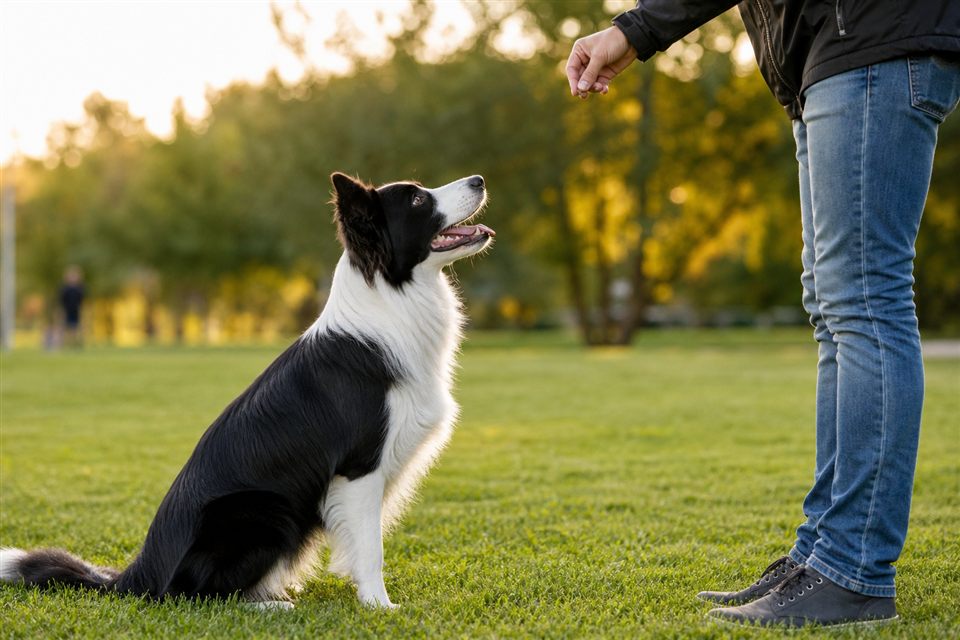
Theo let Drift into the Tacoma backyard at 10:15 a.m. on Saturday. Rain had fallen for 14 hours. The soil along the back fence was black and soft. Drift, a 60-lb husky mix, trotted the fence line once, sniffed, then started digging. Dirt flew. In 4 minutes he had a hole 10 inches deep and 18 inches wide. A vole tunnel showed in the wall of the pit. Theo had filled last week's holes with 40 lb of topsoil. Drift treated refill dirt as a gift. The dog was not being stubborn. Wet earth plus boredom plus a prey smell is a jackpot. Theo needed a legal dig spot and a fence the paws could not undercut.
Key points at a glance
- After rain, soil is 2–4 inches softer; that plus boredom plus prey scent drives fence-line pits.
- Supervise yard time. Ten unsupervised minutes is enough for a 10-inch hole.
- Give a legal dig pit so the behavior has a place that is not the fence.
- Bury chicken wire 8–12 inches down and 18–24 inches out from the fence line.
- Add a 20–30 minute sniff walk after rain. The yard is not the only outlet for a husky nose.
Why rain turns the fence into a dig site
Water loosens soil. Worms rise. Voles use the wet ground. Drift's nose hits a scent map that did not exist on Tuesday. A 60-lb husky mix was bred to work. Four minutes of digging is cheaper entertainment than a stuffed toy you left on the porch. Punishment after the hole exists teaches him to dig when you are inside. It does not erase the smell. If you yell from the kitchen window, he learns to listen for the door, then dig faster.
Supervised yard means you are in the yard, coffee in hand, for the first 10–15 minutes after a soak. When he sniffs the fence, call him, pay, and toss a toy toward the legal pit. If you cannot stay out, he does not go out alone until the hardware is in. A 6-foot leash to a ground stake 15 feet from the fence is ugly and it works for a weekend while you buy wire.
Legal pit, buried wire, extra walk
Dig pit: a 3×3-foot box or a hole 12 inches deep filled with play sand or loose dirt in a spot you choose, not along the fence. Bury a few treats 2–3 inches down once so he learns that this dirt pays. When you catch him in the legal pit, pay again. You are not praising "digging everywhere." You are paying digging here.
Hardware: chicken wire or hardware cloth along the problem run. Dig an 8–12 inch trench, lay wire 18–24 inches into the yard, fold an L, backfill. Paws hit metal. The project is a Saturday, not a vibe. Pair it with a 20–30 minute walk after rain, nose down, before backyard time. A husky who has already worked a wet block is less likely to start a 10-inch mine. If holes continue at night, he stays in until morning. Management is allowed.
| Fix | Spec | When |
|---|---|---|
| Supervised yard | 10–15 minutes, you present | First outing after rain |
| Legal dig pit | 3×3 ft, 12 in deep, sand or loose dirt | Pay digging in the pit |
| Chicken wire L | 8–12 in deep, 18–24 in into the yard | Along the back fence run |
| Sniff walk | 20–30 minutes | After rain, before solo yard |
| Refill dirt only | 40 lb topsoil without other changes | Fails; he redigs it |
| Yell from the window | 0 | Teaches faster secret digging |
Theo dug the trench that Saturday afternoon and staked a 3×3 sand pit by the porch. Sunday after the sniff walk, Drift started a hole in the sand, not under the fence. The vole tunnel could wait.
This is general training and yard-setup education, not a substitute for a veterinarian if digging is sudden and frantic, or for a trainer if fence running includes escape attempts.