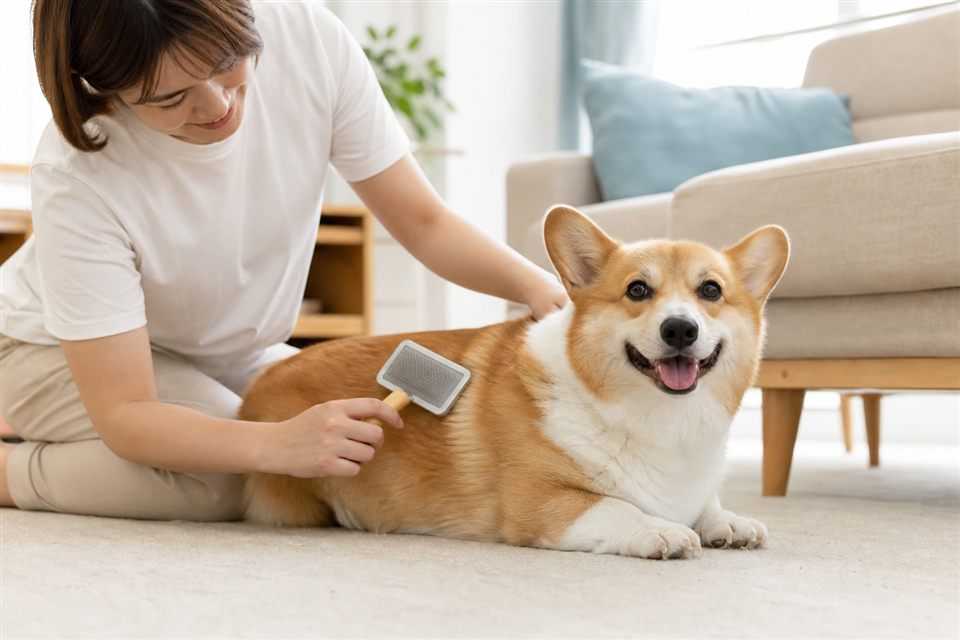
Priya's Boxer mix, Dash, had a coat so short you could see every muscle—and yet he acted like the grooming brush was a power tool aimed at his soul. One swipe earned a snap, then guilt on both sides. Priya needed a plan that respected Dash's boundaries while still managing shedding and skin health.
Key points at a glance
- Short coats still benefit from weekly brushing for shedding, skin circulation, and early lump detection.
- Choose soft, short-bristle or rubber tools—not slicker brushes that feel scratchy on thin coats.
- Use cooperative care: consent checks, treats, and sessions measured in seconds, not minutes.
- Persistent fear, snapping, or pain reactions warrant a vet exam before forcing the issue.
Why short-haired dogs still need brushing
It is a myth that smooth coats maintain themselves. Dash shed enough to build a second dog every spring. Regular brushing:
- Removes loose hair before it lands on furniture
- Distributes natural skin oils
- Lets you feel new lumps, hot spots, or parasites early
- Reduces bath frequency by keeping the coat clean
The goal is not a show-ring finish—it is a healthy dog who tolerates handling.
Pick tools that feel gentle
| Tool type | Best for | Notes |
|---|---|---|
| Rubber curry brush or mitt | Weekly shedding | Massaging feel; good starter tool |
| Soft bristle brush | Finishing pass | Less pinchy than slickers |
| Grooming glove | Touch-sensitive dogs | Mimics petting |
| De-shedding tool (moderate) | Heavy seasonal shed | Use lightly—skin is close to surface |
Avoid stiff wire slickers on single-layer short coats unless a groomer recommends one for a specific coat type.
The cooperative care approach
Forcing Dash into a bear hug guarantees escalation. Cooperative care treats grooming like training:
- Introduce the brush on the floor. Let Dash sniff it. Treat for curiosity.
- Touch without brushing—hold the tool to his shoulder for one second, treat, release.
- One-stroke sessions—single brush pass on the chest or back, then stop while he is calm.
- Consent check—offer your palm; if he moves away, session ends. Try again later.
- Build duration slowly—from five seconds to thirty over two weeks beats one ten-minute battle.
Use high-value treats (tiny chicken pieces, lickable squeeze rewards) reserved only for grooming so motivation stays high.
Session structure that works
Environment: Quiet room, non-slip mat, no children grabbing mid-session.
Timing: After a walk when Dash is tired but not overstimulated—not when the doorbell just rang.
Body map: Start where he accepts touch (often chest or shoulders). Avoid sensitive zones (belly, feet, tail base) until trust builds.
End on success: Stop after a calm brush pass, not after he wriggles free. You want his last memory to be easy.
Handling common resistance triggers
- Past pain: A hidden mat, skin infection, or arthritic spine can make brushing hurt. Your vet should rule this out first.
- Over-arousal: Wiggling is not always fear—sometimes it is excitement. Lower stimulation before sessions.
- Handler frustration: Dogs mirror tension. If you are irritated, pause and reset tomorrow.
For severe grooming anxiety, a certified fear-free groomer or veterinary behaviorist can design a desensitization protocol. Medication for specific appointments is a valid tool—not a failure.
Bath days and brushing overlap
Many short-haired dogs tolerate brushing better when the coat is clean and dry. Oily or damp fur clumps in the brush and tugs more noticeably. If Dash gets a bath, wait until he is fully dry before introducing the brush—or brush lightly before the bath to remove loose hair that would clog your drain.
Between full sessions, a damp microfiber cloth wiped along the coat picks up surface dust without triggering the same resistance as bristles. Think of it as a gateway step if Dash is still learning to accept tools.
Realistic expectations
Priya never turned Dash into a dog who naps through hour-long spa sessions. She did reach weekly two-minute brush-outs without snapping. That was enough to cut shedding in half and find a small tick before it embedded. Progress beats perfection—and a dog who tolerates brief handling is easier for your vet and groomer to work with when real medical care is needed.
This article is for informational purposes only and does not replace professional veterinary advice. Consult your veterinarian if grooming resistance is sudden, accompanied by pain signs, or involves aggression that puts you at risk.