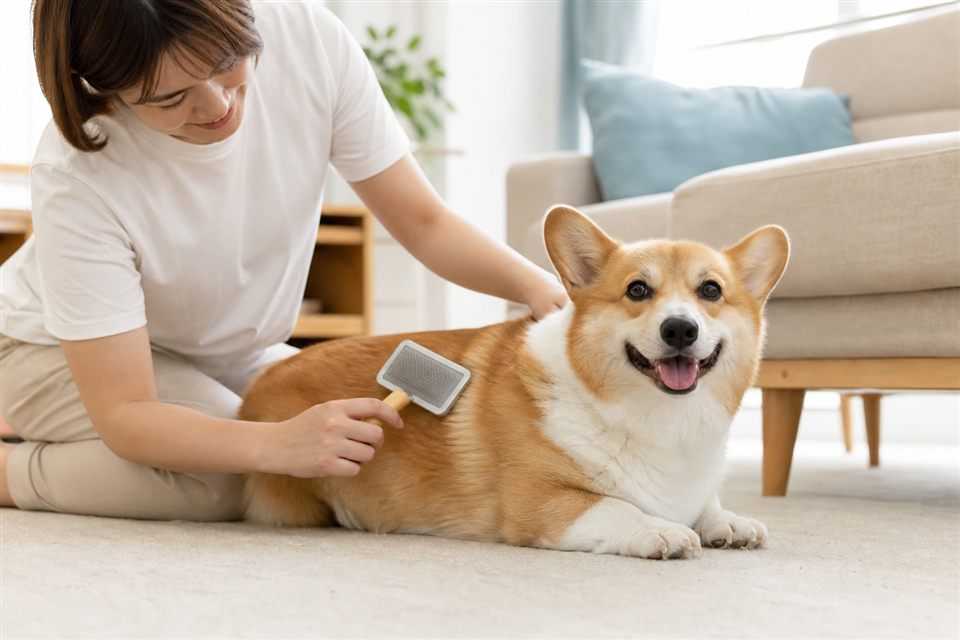
Cooper, a two-year-old pit bull mix, flattened his ears and fled behind the couch whenever his owner Devon produced the slicker brush from the junk drawer. Devon assumed short-haired dogs did not need grooming—until Cooper's shedding coated every black sofa cushion and a veterinary technician noted mild skin flaking during a exam. Short-haired dogs shed, distribute skin oils unevenly when unbrushed, and benefit from regular coat maintenance. Cooper's brush hatred stemmed from a puppyhood incident where a groomer rushed a matted spot with aggressive strokes. Devon needed desensitization—not force—to rebuild Cooper's tolerance. Over six weeks, Cooper went from fleeing to leaning into a soft rubber curry for belly scratches while Devon brushed his shoulders.
Key points at a glance
- Short-haired dogs still need brushing for shedding control, skin health, and early lump detection—not just long-coated breeds.
- Brush hatred usually traces to pain, fear, or negative associations—not stubbornness.
- Desensitization pairs brush presence and contact with high-value rewards at a pace the dog chooses.
- Tool choice matters: rubber curry brushes and grooming mitts feel less invasive than sharp slicker pins on short coats.
- Sessions stay short—thirty seconds to two minutes—ending before Cooper protests.
- Consistency beats intensity; daily micro-sessions outperform weekly wrestling matches.
Why Cooper hated the brush
Negative history. Puppy Cooper was pinned while a slicker pulled tangles roughly—short coats rarely mat, but the sensation predicted restraint and pain.
Wrong tool sensation. Stiff slicker pins scratch skin on thin short coats without undercoat buffer. Cooper felt pinching, not massage.
Owner frustration. Devon previously chased Cooper, cornered him, and brushed fast when he finally caught him—each chase confirmed brush equals trap.
Sensitive zones. Many dogs tolerate back brushing but not legs, belly, or tail base. Devon started with full-body attempts and triggered fight-or-flight immediately.
Medical pain. Rule out skin infections, arthritis, or flea hypersensitivity before blaming behavior alone. Cooper's flaking improved with brushing but Devon's vet cleared dermatitis first.
| Tool type | Best for short coats | Cooper's tolerance |
|---|---|---|
| Rubber curry | Shedding, massage | High |
| Grooming mitt | Light daily pass | High |
| Bristle brush | Finishing, oil distribution | Medium after training |
| Slicker brush | Not ideal for short thin coat | Low—avoided initially |
Devon's desensitization plan step by step
Stage 1: Brush as furniture (days 1–3). Devon placed the brush on the floor near Cooper's bed with treats scattered around it—no picking up. Cooper sniffed, ate, ignored. Brush predicted snacks, not capture.
Stage 2: Hand equals brush (days 4–6). Devon brushed Cooper with an empty hand along shoulders for five seconds, treated, stopped. No tool yet—rebuilt touch tolerance.
Stage 3: Brush in hand, no contact (days 7–9). Devon held the rubber curry while feeding Cooper chicken from the other hand. Curry visible, zero contact. Cooper ate calmly inches from bristles.
Stage 4: One-stroke contact (days 10–14). Single stroke on shoulder, treat immediately, brush away from body. Repeat three times per session max. If Cooper moved away, Devon stopped—next session easier.
Stage 5: Multi-stroke zones (weeks 3–4). Devon added two to three strokes per area: shoulders, back, chest. Avoided legs and hindquarters until week four. Session length capped at ninety seconds.
Stage 6: Functional brushing (weeks 5–6). Devon brushed Cooper's full body in two-minute sessions three times weekly, using curry for shedding passes and soft bristle for finishing. Shedding decreased noticeably; Cooper solicited brushing by sitting beside the treat jar.
Counter-conditioning mechanics Devon used
Treat marker timing. Treat within one second of brush contact—Cooper's brain linked stroke to chicken, not stroke to trap.
Choice and retreat. Cooper could leave anytime; Devon never chased. Leaving kept sessions sub-threshold.
Location consistency. Same rug, same couch corner—predictability reduced vigilance.
Calm owner energy. Devon breathed slowly, spoke quietly. Previous frustrated sighs cued Cooper's anxiety.
No restraint. No pinning, no holding collar tight. Cooperative care meant Cooper stayed voluntarily.
Choosing the right brush for short-haired Cooper
Rubber curry with wide nubs mimicked petting. Devon abandoned the slicker entirely for Cooper's coat type—bristle brush came later for shine only. For heavy shedders like labs and pit mixes, rubber curry during bath or dry removed loose undercoat without scratch.
Short-haired dogs need brushing one to three times weekly, more during seasonal coat blow. Sessions primarily manage shedding and distribute sebum—not detangle.
Troubleshooting setbacks
Cooper regressed after one forced session. Devon's roommate "got the shedding under control" by cornering Cooper—reset to Stage 3 for one week.
Mouth snapping at brush. Stop immediately; reduce intensity. Snapping means over threshold.
Still hates belly. Some zones never become favorite—Devon brushed functional areas only and skipped belly unless Cooper rolled over offering it.
Professional groomer visits. Devon informed groomers of Cooper's history and requested rubber curry only, no restraint table if possible—or acclimation visits with treats only.
Benefits beyond shedding
Devon found a small lipoma on Cooper's ribcage during week five brushing—early vet check, benign. Regular handling also improved nail trim tolerance using the same desensitization framework.
Common mistakes to avoid
Waiting until coat is filthy or shedding crisis—infrequent marathon sessions reinforce fear. Using brush as punishment for muddy paws. Selecting cheapest sharp slicker for a dog who needs rubber curry. Ignoring that short hair still sheds enough to matter in apartments.
The bottom line
Devon brushed Cooper—a short-haired dog who hated brushes—by desensitizing in stages: treats near brush, hand touch, one stroke, then gradual zones with rubber curry and voluntary participation. Force created a dog behind the couch; patience created a dog leaning in for grooming. Short coat does not mean no coat care, and brush hatred yields to counter-conditioning when owners go slower than feels necessary.
This article is for general education only and does not replace advice from a licensed veterinarian.