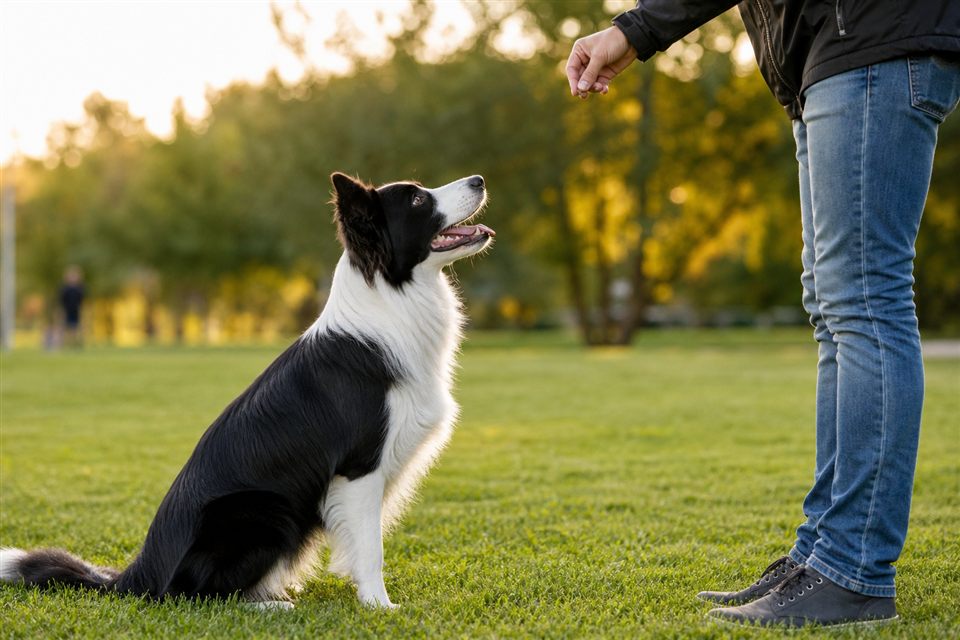
Some rescue dogs arrive with specific fears — men with deep voices, people wearing hats, or anyone who moves quickly. These triggers often trace to limited early socialization or past negative experiences. Fear is not stubbornness or defiance. It is a survival response that needs careful, compassionate rehabilitation.
Key Points
- Never force a fearful dog to "get used to" a trigger through flooding or correction.
- Work below threshold: the dog stays calm enough to eat, think, and learn.
- Pair the scary thing with something wonderful — treats, play, or calm praise.
- Let the dog choose approach distance; retreat is always allowed.
- Progress is measured in weeks and months, not single sessions.
Understanding the Fear
Dogs generalize fear easily. A bad experience with one man in a baseball cap can expand to all men, all hats, or even silhouettes at a distance. Body language tells the story: tucked tail, whale eye, lip licking, freezing, barking, or lunging. A dog who hides behind you is asking for help, not being dramatic.
Hats change human silhouette and can obscure eyes and facial expressions — both important for canine communication. Men may stand taller, speak lower, or move differently than the people the dog knew during critical socialization windows.
Rehabilitation Strategy
Create safety first. Give your dog a quiet retreat — crate, bed, or room — where no one follows. Management prevents rehearsal of panic while you train.
Identify the trigger level. Start where your dog notices the trigger but still accepts high-value treats. That might mean a man sitting quietly across a large yard, or a hat placed on a chair ten feet away.
Counter-conditioning and desensitization. Each time the trigger appears at a safe distance, deliver chicken, cheese, or a favorite toy. Trigger goes away, treats stop. Gradually decrease distance only when the dog remains relaxed.
Teach an alternative behavior. A "look at me" cue or mat training gives the dog something to do besides panic. Reward calm check-ins voluntarily offered near triggers.
Involve calm male helpers. Ask men to sit sideways, avoid direct staring, toss treats without reaching over the dog, and wear hats only after bare-headed sessions succeed.
What to Avoid
Do not drag a fearful dog toward strangers. Do not punish growling — you may eliminate the warning and increase bite risk. Avoid crowded environments early on. Skip tight greetings; a fearful dog does not need to be petted to heal.
Bottom Line
Helping a rescue dog overcome fear of men or hats requires consistency, low pressure, and celebrating small wins. Many dogs make remarkable progress when they feel safe and predict good outcomes around their triggers.
Veterinary Disclaimer
This article is for educational purposes only and does not replace professional veterinary or behavioral advice. Sudden onset fear, aggression, or fear paired with pain warrants a veterinary exam. Severe phobias benefit from a certified behavior professional or veterinary behaviorist.