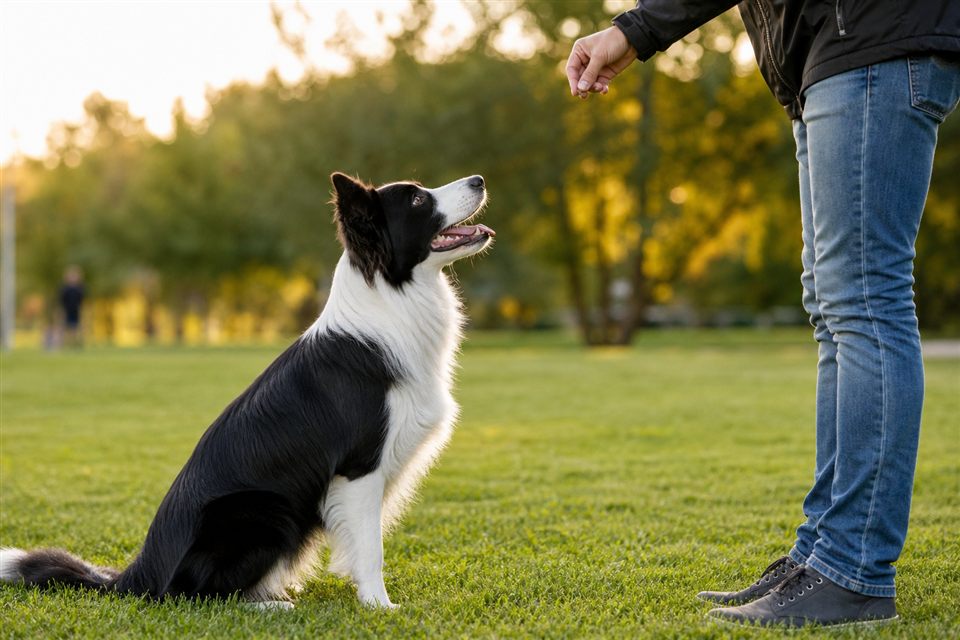
Closing the bathroom door triggers whining, paw scratches, or a furry face appearing the instant you sit down—normal for many households, puzzling for others. Dogs follow humans into bathrooms for reasons spanning deep bonding, curiosity, reinforcement history, and occasionally separation anxiety. Understanding motivation separates harmless companionship from stress that worsens when left alone for work hours. Breeds bred for close human partnership—herding and toy companions—show the behavior more frequently. Puppies learning household routines mirror every movement. Senior dogs with vision or cognitive changes may stick closer for security. Context—tail wagging versus panting panic—guides whether to laugh it off or train independence.
Why Bathrooms Attract Canine Shadows
Dogs are social predators evolved to stay near group members; isolation behind a closed door feels unnatural. Bathrooms carry intense human scent—interesting information for noses. Some dogs learn that following always precedes the next walk or meal. Open door policies in puppyhood become expectations. Closed doors may signal exclusion, triggering mild distress in attachment-prone individuals. Unlike dominance myths, following reflects affiliation and sometimes insecurity—not a power struggle over the toilet.
When Following Suggests Anxiety
Excessive following paired with destruction when alone, drooling, house soiling only during absences, or inability to settle in another room indicates separation-related distress needing structured training and possibly veterinary behavior support. Constant shadowing that began suddenly in senior dogs may reflect pain, vision loss, or cognitive dysfunction—medical evaluation before behavior plans. Normal followers happily nap on a mat outside the bathroom when encouraged; anxious dogs escalate vocalization and scratching despite prior exercise.
Key Points
- Following owners room to room is common and often benign.
- Scent, curiosity, and bonding drive most bathroom visits.
- Sudden clinginess in seniors needs medical assessment.
- Destruction when alone suggests separation anxiety, not simple following.
- Gentle independence training helps without punishing attachment.
- Closing doors occasionally builds tolerance if paired with positive alone time.
Practical Tips
- Place a comfortable mat outside the bathroom and reward relaxed waits.
- Provide a stuffed Kong in another room during short separations.
- Avoid making bathroom exits dramatic—keep departures boring.
- Increase mental enrichment so following is not the only stimulation.
- Consult a certified trainer if alone-time panic disrupts daily life.
When to Contact Your Veterinarian
Schedule a visit for new sudden clinginess in older dogs or if anxiety signs—pacing, anorexia, injurious escape attempts—accompany constant following. Medication plus behavior modification helps severe separation cases.
This article is for general educational purposes only and does not replace professional veterinary advice. Contact your vet if your pet shows ongoing symptoms.