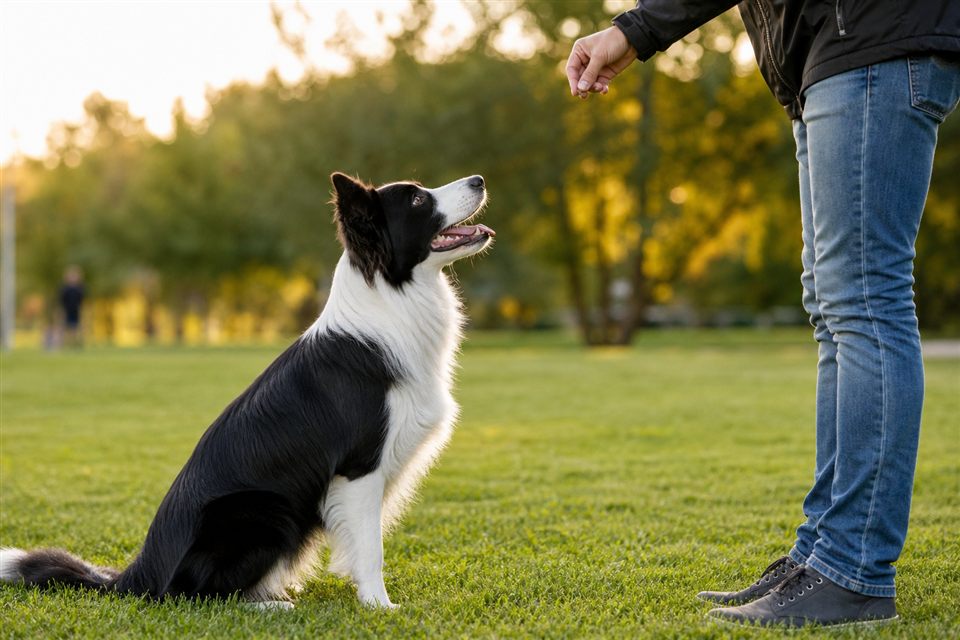
Some dogs adore everyone; others shrink, bark, or hide when men approach—especially tall men, deep voices, hats, or beards. Fear of men often stems from insufficient socialization during sensitive periods, traumatic experiences, or generalized anxiety—not deliberate stubbornness. Punishment worsens fear; structured counter-conditioning at safe distances rebuilds trust slowly. Understanding body language prevents bites from cornered frightened dogs. Professional behavior support accelerates progress for severe cases while patient household rules protect everyone during training months.
Why Some Dogs Fear Men Specifically
Puppies without positive male exposure during socialization windows may generalize fear. Rescue dogs with abuse histories associate male silhouettes with pain. Men often approach directly, loom taller, speak deeper, and wear hats changing profiles cats and dogs read as threatening. Lack of subtle body language compared with some female approaches increases intimidation unintentionally. Medical pain causes irritability mistaken for gender-specific fear—rule out discomfort with exams.
Building Confidence Safely
Never force interactions—allow dogs to approach voluntarily. Men sit sideways avoiding direct stare, tossing high-value treats retreating when dog advances. Increase proximity over weeks only while dog remains under threshold without barking or fleeing. Pair men presence with favorite activities at distance. Muzzle training may protect during structured sessions if bite history exists. Avoid crowded environments flooding fear. Consistency across all household men matters—one person forcing petting undermines progress.
Key Points
- Fear of men often reflects socialization gaps or past trauma—not dominance issues.
- Forced interaction increases fear and bite risk substantially.
- Counter-conditioning at sub-threshold distances works gradually over weeks.
- Men should avoid looming, direct staring, and fast approaches initially.
- Medical pain can mimic or worsen fear behaviors—exam first when sudden.
- Certified behavior professionals help severe fear and bite histories.
Practical Tips
- Assign calm male household member as primary positive association trainer.
- Use long lines in public preventing panic flight into traffic.
- Teach men to offer treats palm up at dog level without reaching over head.
- Record training sessions reviewing distance and body language.
- Never punish growling—warning communication prevents escalation.
When to Contact Your Veterinarian
Consult veterinarians for sudden fear onset suggesting pain. Refer to veterinary behaviorists for bites, severe panic, or stalled progress despite months management.
This article is for general educational purposes only and does not replace professional veterinary advice. Contact your vet if your pet shows ongoing symptoms.