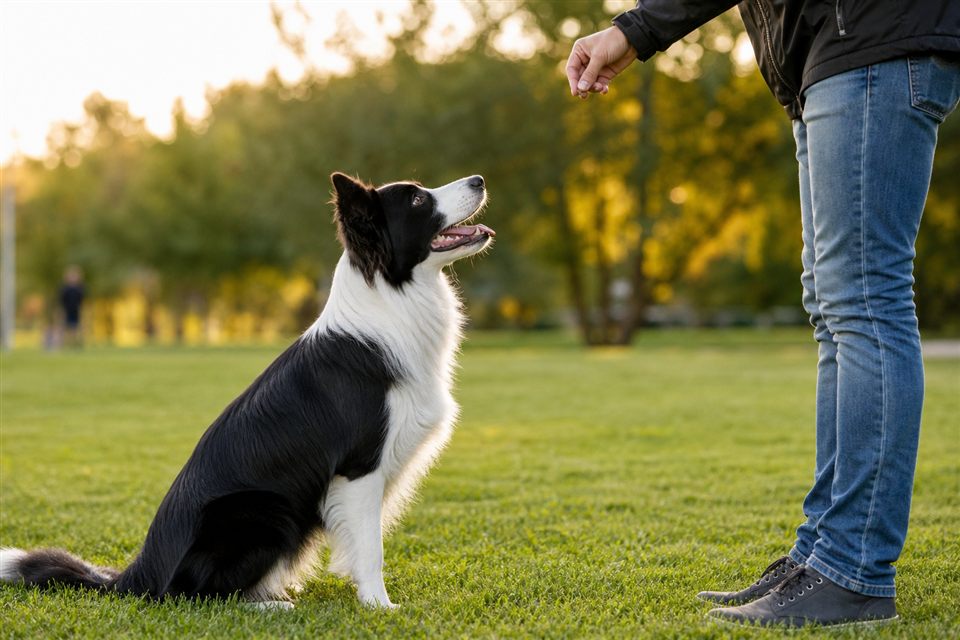
Many owners love when their dog proudly delivers a squeaky toy to the sofa, then feel confused when a gentle reach toward the prize triggers a growl. The behavior is not always true aggression. Some dogs invite play by offering toys but use growling as part of rowdy wrestling. Others guard objects because they learned keeping items predicts conflict. Reading body language and teaching consistent trade rules helps you enjoy fetch and tug without escalating tension in the home.
Play growling versus guarding
Play growls usually come with loose wiggly bodies, play bows, and repeated approach after you pause. The dog may drop the toy briefly or nudge it toward you. Guarding growls often include stiff posture, hard staring, curled lip, and eating or hiding the object when you step closer. Guarding can generalize from food to toys, beds, and even people if untreated. Filming interactions from across the room clarifies which pattern you face.
Why dogs bring toys then resist sharing
Herding and retrieving breeds may parade toys without wanting release because carrying feels rewarding. Anxious dogs sometimes seek approval but fear loss once a human hand appears. Puppies from competitive litters learn to protect resources early. Multi-dog homes add pressure when one dog steals items seconds after a drop.
Key Points
- Never punish growling; it removes warning signals and can increase bite risk without fixing motivation.
- Trade-up games exchange low-value toys for high-value treats until your dog willingly releases.
- Two-toy fetch keeps one toy moving while the second waits as backup for drop practice.
- Separate dogs during high-value chew sessions if stealing triggers fights.
- Children should not grab toys from dogs showing stiff body language.
Practical Tips
- Say a consistent cue such as drop it only after you show a treat, then reward release generously.
- End tug games while your dog still wants more so excitement stays manageable.
- Rotate toys weekly so novelty reduces obsessive guarding of one favorite.
- Practice hand approaches during calm chewing with tossed treats near the bowl, not on the object.
- Ask a certified trainer about structured desensitization if guarding spreads to multiple item types.
When to get professional help
Consult a veterinary behaviorist if growling escalates to snapping, if bites break skin, or if guarding appears with food and resting spaces. Your veterinarian can rule out pain that lowers tolerance when jaws or neck hurt. Early intervention prevents household members from avoiding normal interaction with a beloved pet.
This article is for general educational purposes only and does not replace professional veterinary advice. Contact your vet if your pet shows ongoing symptoms.