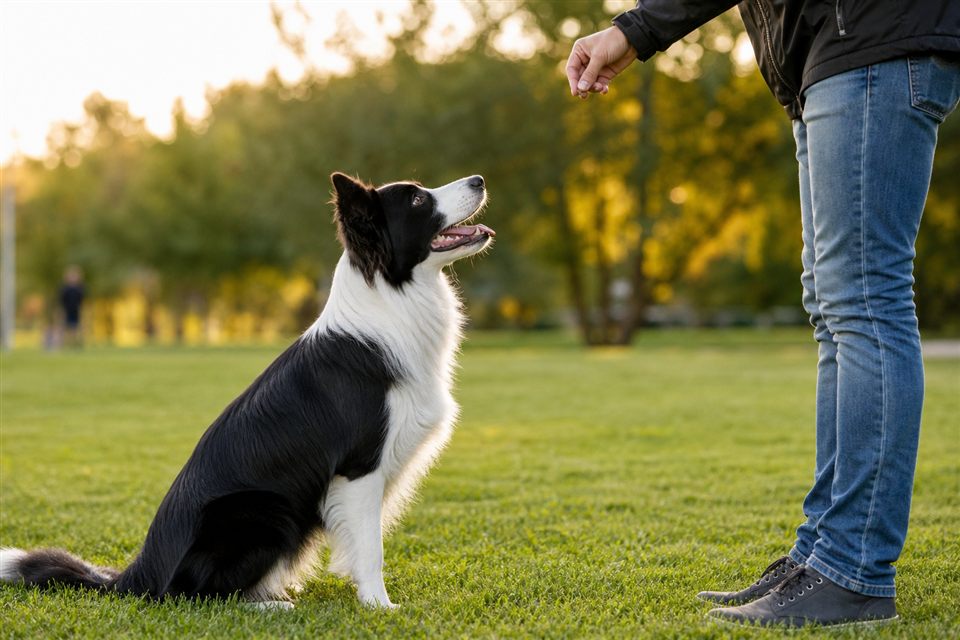
One minute your dog is calm; the next they are sprinting in circles, spinning on the couch, or doing “mad laps” in the yard. Owners call it the zoomies; behaviorists call it FRAPs (Frenetic Random Activity Periods). In most cases it is normal, joyful release—especially in puppies and young adults.
Why zoomies happen
Energy overflow: A dog that napped all day while you worked may explode with energy at 6 p.m. Lack of mental stimulation magnifies the effect—physical tiredness and mental tiredness are different buckets.
Post-bath or post-poop zoomies: Common and harmless. Bath zoomies may relieve stress from handling; post-defecation sprints are a quirky habit in many dogs.
Joy and social play: Snow, grass, or meeting a favorite friend triggers happy laps. Loose body, open mouth, bouncy movement indicate fun—not fear.
Normal vs problematic FRAPs
Normal zoomies last 2–5 minutes, end with the dog flopping down for water, and happen without injuring themselves or others. Problem signs include daily frantic episodes that ignore pain, compulsive tail chasing, or biting at shadows and walls—those patterns need a veterinary behavior consult.
Older dogs that suddenly start intense zoomies with no history may be irritated by skin allergies, anal gland discomfort, or neurologic issues—especially if they bite at the rear or flank during runs.
Safety during zoomies
Move breakables and clear slippery floors. On stairs, block access—many injuries happen during uncontrolled descents. In fenced yards, remove garden tools; zooming dogs do not steer well. Avoid grabbing the collar mid-sprint; use a happy voice and treat scatter to redirect if you must stop the session.
Puppies under 6 months should not repetitive jump on hard surfaces during zoomies—growth plates are vulnerable. Encourage laps on grass or carpet.
How to reduce excessive zoomies
- Two structured walks plus 15 minutes sniffing or training daily.
- Feed meals from puzzle toys to burn mental energy.
- Practice calm settle on a mat after play so arousal drops before guests arrive.
- For post-bath zoomies, towel-dry in a small bathroom until calmer, then release.
If zoomies include snapping at family members, fixed staring, or inability to interrupt, book a certified trainer and rule out pain with your vet.
Puppy zoomies vs adult zoomies
Puppy zoomies are frequent, short, and often follow nap or bath time. Adult zoomies may cluster after workday isolation—predictable timing helps you pre-empt with a sniff walk before the frenzy. Senior dogs rarely zoom; new frantic running in an older dog triggers a vet visit before assuming cuteness.
Herding breeds may circle furniture during FRAPs; terriers may dig at blankets first. Channel breed instincts into allowed outlets—flirt pole for terriers, long-line fetch for collies—so energy lands safely.
Zoomies around children and guests
Teach kids to freeze and avoid chasing a zooming dog—chasing increases arousal and collision risk. Gate off hallways when toddlers are present. If zoomies coincide with nipping, redirect to a toy before laps begin; nipping during FRAPs is a training issue, not harmless joy.
Inform guests that your dog may sprint after dinner—move fragile items and ask visitors not to encourage jumping during the burst. A calm mat reward after zoomies teaches an off-switch.
Indoor vs outdoor zoomies
Indoor laps on hardwood favor rug paths or traction socks for senior-prone households. Outdoor zoomies after rain mean muddy walls—towel by the door and accept the silliness or redirect to fetch on grass. Never chase a zooming dog near roads or unfenced edges—even well-trained dogs lose focus mid-FRAP.
If weather blocks outdoor exercise for days, expect more indoor zoomies—increase puzzle feeding and short training games to compensate.
When zoomies signal understimulation
Dogs receiving only yard time without sniffing or problem-solving often store energy until evening. Add five-minute scent games: hide kibble in towel folds or cardboard boxes. Mental fatigue reduces FRAP frequency within days for many young adults.
Daycare can help some dogs and overstimulate others—watch whether your dog comes home wired or calm. Adjust schedule based on behavior, not assumptions.
Halitosis scoring at home
Rate breath weekly from 0 (none) to 3 (overwhelming at distance). Sudden jump from 1 to 3 over days warrants faster evaluation than gradual change over years. Photograph teeth monthly under good light to track tartar buildup between professional exams.
This article is for general educational purposes only and does not replace professional veterinary advice. Contact your vet if your pet shows ongoing symptoms.