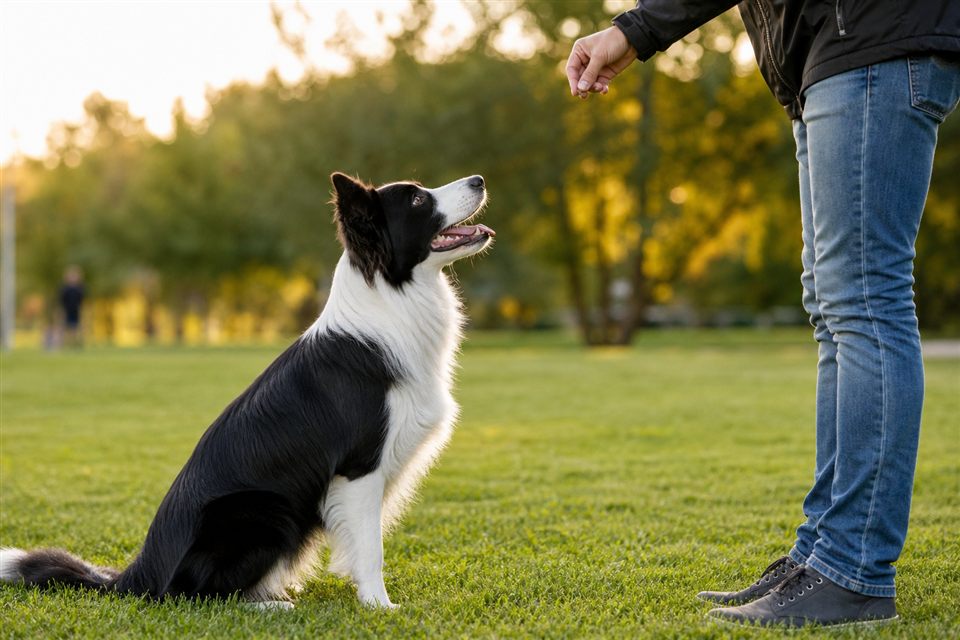
Returning home to shredded couch arms and gouged door frames feels personal—yet destruction during alone time usually reflects unmet exercise, boredom, fear, or incomplete alone-training rather than deliberate revenge. Puppies teethe; adolescents explore; anxious dogs panic when packs disappear. Fixing destruction requires identifying function: scavenging, play, escape attempts, or true separation anxiety with drooling and vocalization. Management plus gradual desensitization beats punishment discovered hours later when dogs cannot connect consequences to morning departure actions.
Building Alone-Time Tolerance Gradually
Practice micro-departures: touch door handle, reward calm; step outside thirty seconds, return before stress escalates; extend duration slowly over weeks. Ignore frantic greetings—wait for calm before attention reducing arousal spikes. Provide food puzzles consumed only during departures associating alone with positive outcomes. Exercise before leaving drains physical energy. Avoid dramatic goodbyes increasing anticipation anxiety. Safe confinement with appropriate chew items protects furniture during training phases—crates when positively conditioned, or dog-proofed rooms without hazards.
When Destruction Signals Separation Anxiety
True separation anxiety shows drooling pools, self-injury at exits, nonstop vocalization reported by neighbors, and destruction focused on doorways or windows attempting escape. Mild boredom chewing scatters across items without panic signs. Video cameras clarify patterns invaluable to trainers and veterinarians. Medication plus behavior modification helps severe cases—management alone fails when panic drives behavior. Punishment worsens fear cycles.
Key Points
- Destruction alone time reflects boredom, teething, or anxiety—not spite.
- Gradual departure training builds tolerance over weeks consistently.
- Exercise and enrichment before leaving reduce scavenging behavior.
- Food puzzles during absence create positive alone associations.
- Video monitoring distinguishes anxiety from boredom destruction patterns.
- Severe separation anxiety needs veterinary behavior support—not only crates.
Practical Tips
- Dog-proof rooms removing toxic plants, cords, and swallowable objects.
- Rotate safe chew types preventing habituation to single items.
- Hire dog walkers mid-day for young high-energy breeds if workdays long.
- Practice departures on weekends—not only workday mornings.
- Never use crates as punishment—positive introduction essential.
When to Contact Your Veterinarian
Consult veterinarians or certified behaviorists for injury risk, self-trauma, or destruction despite extensive management. Medications may bridge training for panic-driven cases.
This article is for general educational purposes only and does not replace professional veterinary advice. Contact your vet if your pet shows ongoing symptoms.