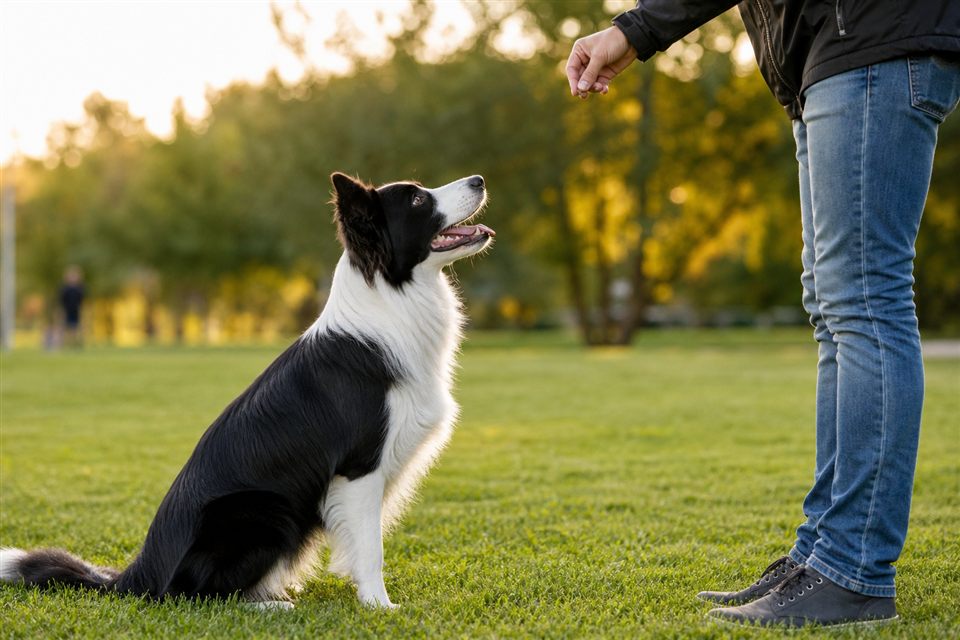
Off-leash freedom on trails is a privilege earned through months of proofed training—not a birthday gift at six months old. A recall that works in the backyard often fails when squirrels, deer scent, or other hikers appear. Emergency recall means your dog spins toward you on one cue despite competing motivators. Building that reliability uses a dedicated cue separate from casual "come," ultra-high-value rewards used only for recall, long-line practice in gradually harder environments, and honest assessment before unclipping. Safety and leash laws vary by region; training excellence does not override local regulations.
Choose a Dedicated Emergency Cue
Pick a unique word or whistle never used casually—"here" or a two-note whistle works. Pair it exclusively with jackpot rewards: small cheese cubes, liver, or chicken not given for other behaviors. Start indoors with zero distractions: say the cue, reward generously when your dog arrives, release back to play. Repeat until your dog orients instantly. Never punish slow recalls; that teaches coming equals end of fun. Instead, reward arrival then occasionally release back to sniffing.
Key Points
- Use a long training line (15–30 feet) before true off-leash testing.
- Increase distraction difficulty in stages: yard, quiet park, busy park, trails.
- Jackpot rewards beat kibble for competing with wildlife scent.
- Never recall only to crate, bath, or nail trims—balance with play releases.
- If recall fails, reduce distraction level—do not repeat failed cues endlessly.
- Local leash laws still apply regardless of training progress.
Proofing Progression for Hikers
Phase one: long line in open field with mild distractions—reward every successful recall. Phase two: parallel path with other dogs at distance; recall before excitement peaks. Phase three: wooded areas with long line dragging under supervision—test scent temptation with prepared rewards ready. Phase four: brief off-leash in enclosed or legal low-traffic zones after weeks of success. Always carry treats on hikes even after graduation. If your dog blows recall once, return to long-line phase—consistency prevents habituated ignoring. GPS trackers complement training; they do not replace it.
Practical Tips
- Train hungry—recall before breakfast on practice days.
- Wear a treat pouch; fumbling in pockets loses moments.
- Practice recalls mid-hike, not only when leaving.
- Teach "check in" rewards for voluntary eye contact on trails.
- Hire a certified trainer for prey-drive breeds if progress stalls.
When to Contact Your Veterinarian
Medical hearing loss, pain, or cognitive decline in seniors can break previously solid recalls—rule out health changes before blaming stubbornness. Anxiety disorders may need behavioral medication alongside training for reliable responses.
This article is for general educational purposes only and does not replace professional veterinary advice. Contact your vet if your pet shows ongoing symptoms.