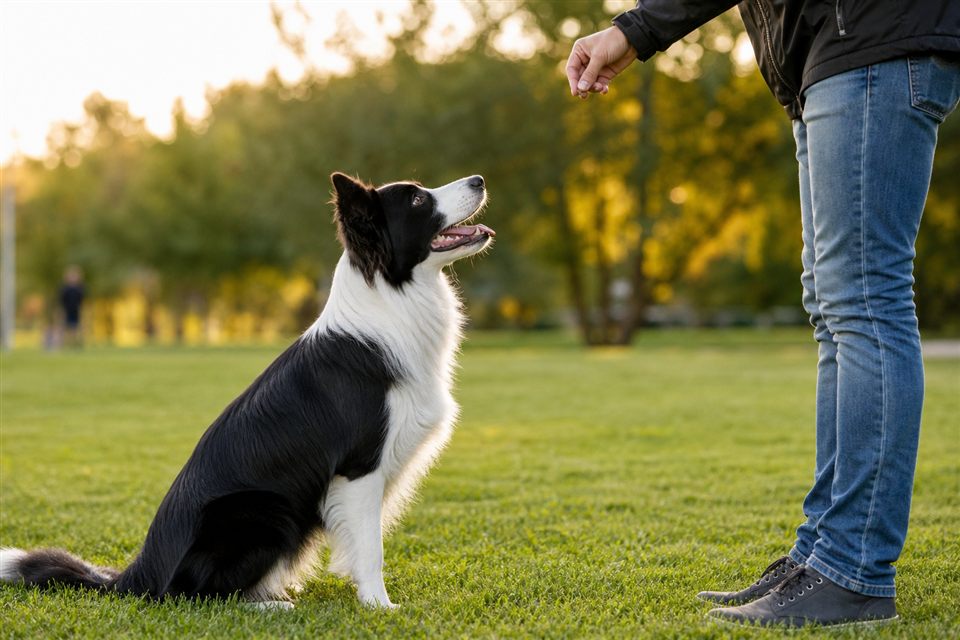
Dogs snatch chicken bones, socks, and dead wildlife faster than owners react—drop it becomes lifesaving command when taught before emergencies. Effective training uses trade games exchanging forbidden objects for higher-value treats or second toy, never chase games rewarding theft with drama. Punishment increases swallow speed. Drop it differs from leave it—drop releases item already in mouth; leave prevents pickup. Consistent practice with tug toys, fetch, and staged distractions builds reliability better than yelling during crisis when dog never learned cue.
Teaching Drop It Step by Step
Start with low-value toy in closed fist—dog mouthing opens hand releasing toy plus treat simultaneously saying drop it once calmly. Progress to open palm trades. Introduce tug pausing every few seconds—drop releases toy, treat appears, tug resumes making compliance fun. Never pull object from mouth forcefully—creates resource guarding. Use two identical toys trading fetch retrieves. Increase difficulty with mildly interesting decoys on floor only after ten successful reps at current level.
Proofing for Real Walks
Practice in yard before sidewalks with real litter temptations. Long line allows controlled approaches to staged items. Reward drops heavily on walks initially—fade treats gradually maintaining occasional jackpots. If dog swallows dangerous item, contact veterinarian or poison control immediately—not prolonged struggle increasing ingestion risk. Pair management leashing past known scavenger zones until training mature.
Key Points
- Drop it means release item from mouth for reward—not punishment.
- Trade games prevent resource guarding better than forceful grabbing.
- Teach before emergencies using toys—not only during dangerous snatches.
- Chasing stolen items rewards theft with exciting chase game.
- Leave it prevents pickup; drop it releases after pickup—teach both.
- High-value rewards beat object interest during early training stages.
Practical Tips
- Carry high-value treats on every walk during training months.
- Practice drop with meal kibble pieces building daily repetitions.
- Avoid tug games without drop breaks entrenching hold obsession.
- Teach all family members identical cue word and trade protocol.
- Never practice with real toxins—use safe staged items only.
When to Contact Your Veterinarian
Call poison control or emergency clinic immediately if dog swallows bone, toxin, or sharp object despite training—do not wait for drop improvement mid-crisis.
This article is for general educational purposes only and does not replace professional veterinary advice. Contact your vet if your pet shows ongoing symptoms.