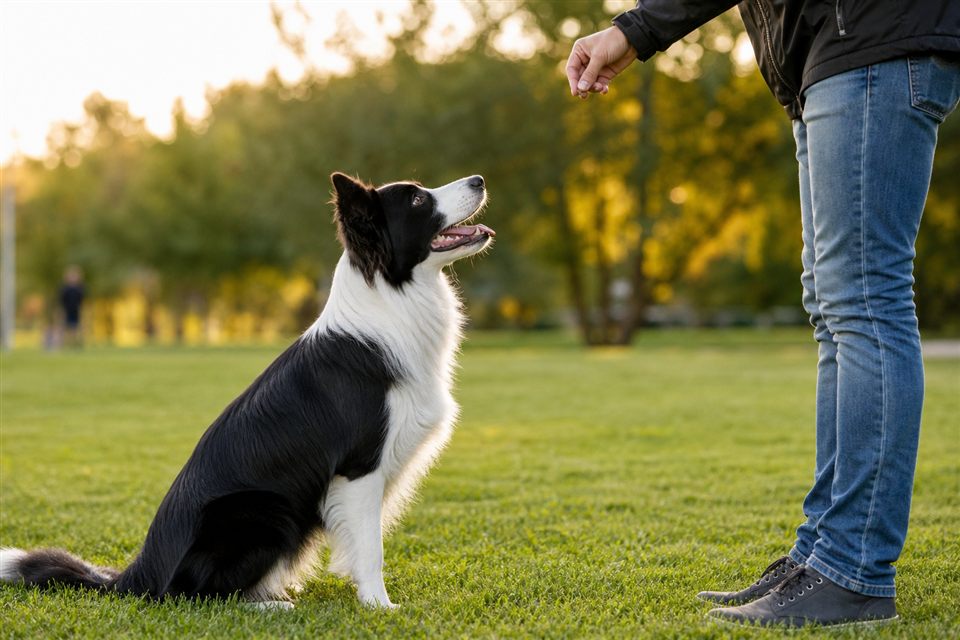
A dog that leaps on guests at the door is not being malicious—it is usually overwhelmed with excitement and has never learned an alternative way to say hello. Jumping delivers attention: eye contact, hands pushing the dog down, and voices saying the dog’s name—all of which reinforce the behavior. Fixing door greetings requires a combination of management before the habit changes, clear rules for every person who enters, and short daily practice sessions. With consistency, most dogs learn to keep four paws on the floor or sit on a designated mat within a few weeks. The goal is not to suppress joy but to channel it into behavior that keeps children, seniors, and delivery drivers safe.
Why Dogs Jump and What Actually Changes the Habit
Jumping is a natural canine greeting that puts the dog’s nose at human face level. Puppies often receive unintentional rewards when family members laugh or pet them while they bounce. As the dog grows, the same habit becomes dangerous. Punishment such as kneeing or shouting creates fear and confusion without teaching a replacement behavior. Effective training focuses on what you want instead: sitting, standing calmly, or going to a mat when the doorbell rings. Every person in the household must follow the same plan. If one member pets the dog while it jumps, learning slows dramatically. Management tools—baby gates, leashes, or confinement in another room—prevent rehearsal of jumping during the training period.
Start training when your dog is calm, not only when real guests arrive. Dogs do not generalize automatically; practicing with the same doorbell sound, treats, and cues builds muscle memory before high-excitement events. Keep sessions under ten minutes to avoid frustration on both sides.
Key Points
- Jumping persists because it works—any attention can reward it, including pushing the dog away.
- Teach an incompatible behavior such as sit or go-to-mat before expecting calm greetings.
- Use a leash or gate at the door until the new habit is reliable.
- Guests should ignore the dog until four paws are on the floor or the dog is on its mat.
- High-value treats at the door beat kibble for competing with real visitor excitement.
- Children need coaching so they do not squeal and encourage jumping.
A Step-by-Step Door Greeting Plan
Phase one—condition the doorbell: Have a helper ring the bell while you reward your dog for staying on a mat ten feet from the door. Repeat until your dog orientates to the mat instead of sprinting to the entrance. Phase two—add sit: Require a sit on the mat before you open the door a crack. Reward calm breathing and relaxed body posture. Phase three—controlled entries: With your dog on leash, invite a familiar guest to enter only when the dog is sitting. The guest walks past without eye contact if the dog breaks position. When the dog holds sit, the guest calmly offers a treat at chest height—not above the head, which invites jumping. Phase four—real life: Gradually fade the leash as success repeats across multiple visitors, days of the week, and times of day. If jumping returns after a holiday party, return to phase two for a few days rather than starting over from scratch.
For strong jumpers, keep a stuffed Kong on the mat so the dog has a job when guests enter. Some trainers use a “place” cue tied to a visual marker such as a bath mat that travels easily for visits elsewhere.
Practical Tips
- Hang a sign asking guests to wait until you have your dog settled before stepping in.
- Exercise your dog with a sniff walk before expected company to lower arousal.
- Never allow rough wrestling with visitors who encourage jumping “because it’s cute.”
- Consider front-clip harnesses for better leash control during training, not prong collars.
- If jumping includes growling or mouthing, consult a certified professional trainer.
When to Contact Your Veterinarian
Behavioral jumping differs from anxiety-driven panic at the door. If your dog trembles, drools heavily, destroys barriers, or cannot eat when visitors are present, discuss separation and anxiety strategies with your veterinarian. Medication combined with training helps some dogs succeed when arousal alone blocks learning.
This article is for general educational purposes only and does not replace professional veterinary advice. Contact your vet if your pet shows ongoing symptoms.