The ride home from the shelter feels like a fairy tale ending, but for many rescue dogs it is only the beginning of a long adjustment. Shelters are loud; streets are new; your rules differ from every previous home. The first 30 days—often called the decompression period—set the tone for trust, house training, and behavior for years. Slow, predictable kindness beats a welcome party.
Days 1–3: safety and shutdown
Expect hiding, reduced appetite, accidents, or clinginess. Keep the environment quiet: limit visitors, children’s rough play, and other pets’ direct access unless foster notes say otherwise. Provide a covered crate or bed in a low-traffic corner where the dog can retreat without being cornered.
Feed the same food the shelter or foster used for at least a week—even if you plan to switch later. Sudden diet changes atop emotional stress trigger diarrhea. Walk on leash for potty only; skip dog parks and pet store socializing until vaccinations and behavior baseline are clear.
Week 1: establish predictable routines
Dogs learn security from repetition. Fixed wake time, meal times, potty breaks, and bedtime reduce anxiety faster than constant novelty. Use the same door for outdoor bathroom trips and praise calmly for elimination outside—never punish indoor accidents discovered late.
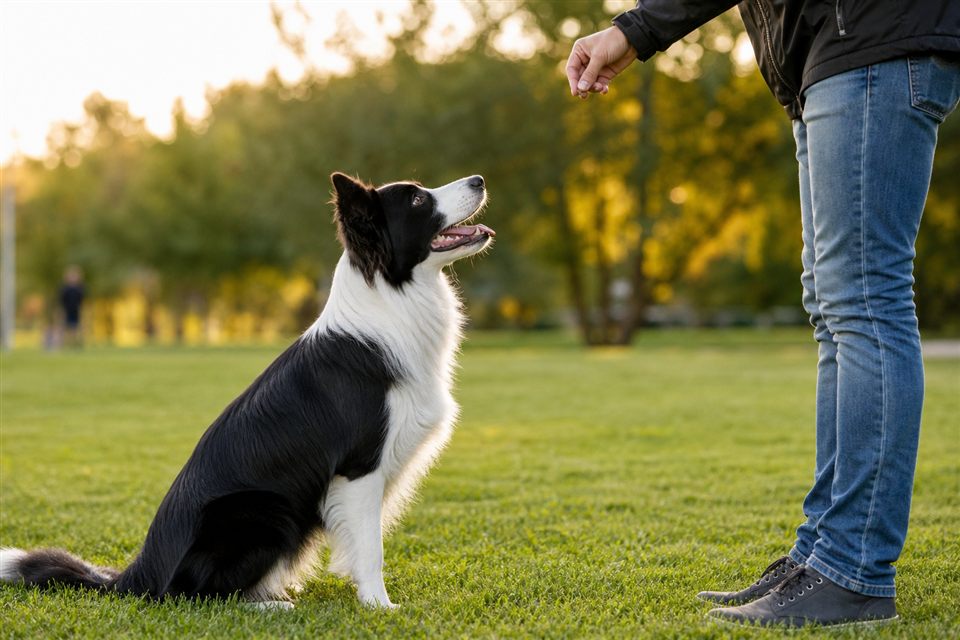
Begin name recognition with treats: say the name once, mark with “yes,” reward. Avoid repeating the name until it means nothing. Hand-feed a portion of meals if the dog is hand-shy; this builds positive association with your presence without forced petting.
Week 2: gentle exploration and boundaries
Allow sniffing tours of your home on leash indoors if the dog is jumpy or mouthy—furniture becomes less mysterious. Introduce other household pets with gates, parallel walks, or scent swapping per a structured plan; rushing face-to-face meetings causes lasting fights.
Teach house rules early: which furniture is allowed, where chew toys live, and that doors open only when calm. Jumping on guests can wait—but counter surfing rewarded once becomes a habit. Use management (gates, cleared counters) before expecting perfect obedience from a stressed newcomer.
Week 3–4: building confidence outside
Short neighborhood walks on a fixed-length leash expose sounds and smells without overwhelming distance. If the dog freezes or pulls backward, increase distance from triggers rather than dragging forward. Carry high-value treats and reward glances at you around distractions.
Schedule a veterinary exam if not done pre-adoption: fecal test, heartworm screening, microchip registration update, and discussion of behavior history. Undiagnosed pain from old injuries often masquerades as “stubbornness” or leash reactivity.
Common first-month mistakes
- Hosting a large meet-and-greet party in week one
- Leaving the dog loose alone with existing pets unsupervised
- Punishing fear responses (growling, hiding) instead of removing pressure
- Expecting perfect crate training when the dog never saw a crate—or was confined excessively before
- Returning the dog for a single accident or growl without professional behavior support
Signs you need extra help
Moderate resource guarding, leash lunging, or separation distress are common and often improve with certified trainers using force-free methods. Escalating bites, inability to sleep more than minutes, or self-injury (excessive licking, tail chewing) need veterinary behavior consultation—not YouTube alpha rolls.
Ask the shelter for post-adoption training vouchers or referrals; many partners offer discounted classes for recent adoptees.
Long-term bonding beyond day 30
Trust deepens in months, not days. Continue consistent rules after the honeymoon when the dog “acts out” testing boundaries—that phase is normal. Enrichment—sniff walks, stuffed Kongs, scent work—fills mental hours previously spent in kennel boredom.
Celebrate small wins: first relaxed nap on the couch, first tail wag at the leash drawer, first friendly approach to a household member. Rescue success is rarely cinematic; it is quiet routines repeated until the dog believes home is permanent.
Children and rescue dogs in the same home
Teach children to respect closed crate doors and sleeping dogs. Excited toddlers running toward a new rescue trigger flight or freeze responses. Supervise all interactions; use baby gates so the dog chooses to approach rather than being pursued. Reading body language together—tail tuck, whale eye, lip lick—builds empathy and prevents bites labeled “out of nowhere.”
Assign one adult as primary handler for feeding and walks the first month so signals stay consistent. Other family members can toss treats and sit quietly nearby until the dog solicits contact. Predictability from the primary caregiver accelerates trust for shy dogs.
This article is for general educational purposes only and does not replace professional veterinary advice. Contact your vet if your pet shows ongoing symptoms.