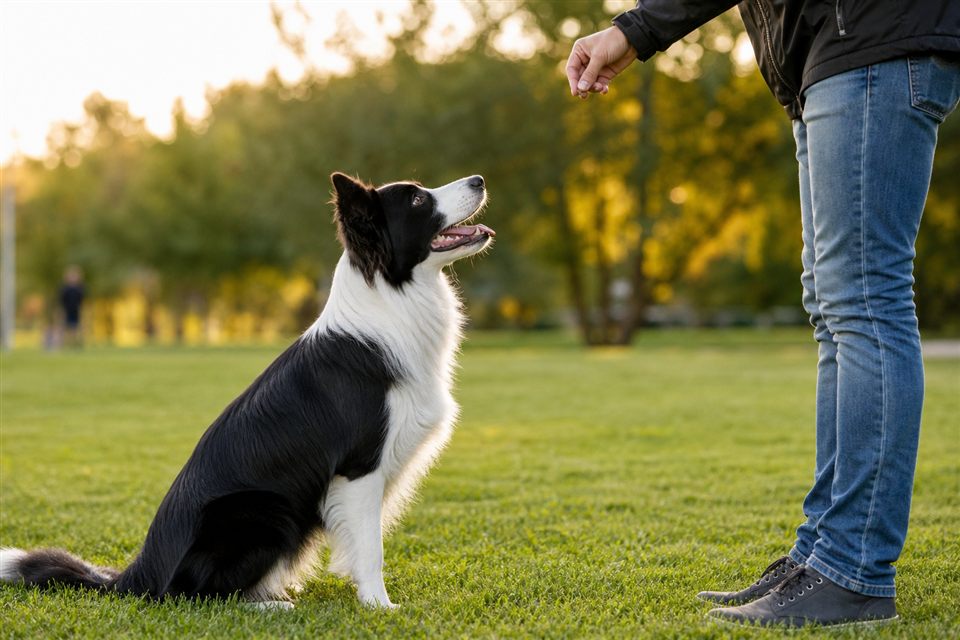
Doorbell rings and an enthusiastic dog launches toward visitors, muddy paws on clothing and scratched arms. Guests may laugh the first time, but repeated jumping erodes welcome and risks injury to children or frail relatives. Jumping persists because it works: dogs reach faces, release energy, and receive eye contact even when owners scold. Effective training combines preventing rehearsal during learning, teaching an incompatible calm behavior, and giving guests a script so everyone responds consistently. Progress takes weeks of practice with staged arrivals rather than hoping the next real guest visit fixes the habit.
Size and age matter less than reinforcement history. Small dogs jump as often as large ones, and rescue dogs may have months of successful jumps before new rules begin. Management tools such as leashes, gates, and mats are training aids, not lifelong crutches once behavior stabilizes. The plan below suits most friendly jumpers; dogs showing growling or stiff body language during greetings need behavior professional assessment before door practice continues.
Why jumping at the door is so rewarding for dogs
Arrivals bundle novel scents, voices, and movement into a high-arousal package. Jumping closes distance to sniff faces and hands. Even pushing the dog down can feel like wrestling play to an excited adolescent. Yelling from another room rarely teaches alternative skills because the dog never learns what to do instead when the door opens.
A step-by-step training plan
Stage one: Teach a strong go-to-mat or sit-stay ten feet from the door when no guests are present. Reward calm stays heavily. Stage two: Add door sound cues by rattling the knob and rewarding the dog for staying on the mat. Stage three: Invite a helper to enter while your dog is leashed; reward four paws on floor or mat before the guest approaches. Stage four: Give guests instructions to turn away and step back if paws leave the floor, then greet only when the dog sits. Consistency across family members matters more than any single session length.
Guest and family coordination
Every person entering the home must follow the same rule: attention and petting only when four paws are on the floor or the mat. Ask guests to ignore the dog for the first minute after entry even if that feels rude; consistency beats politeness during training months. Children can hold treat bags and drop rewards on the mat when the dog sits. Delivery drivers should not be training partners; use a gate during real deliveries until behavior is reliable.
Long-term maintenance after training succeeds
Occasional reinforcement keeps door manners stable. Randomly reward calm greetings months after success so the behavior does not extinguish when treats stop entirely. New puppies or visiting dogs may trigger old jumping; temporarily reintroduce leash management during holidays. If jumping returns after a long absence of guests, run a condensed one-week refresher rather than assuming the dog forgot permanently.
Questions owners ask most often
Should guests bring treats to help? Only if they follow your mat-sit protocol; random treats from visitors reward jumping. Is knee blocking the dog safe? Knee blocking can injure small dogs and increase fear; turn away instead. How long until guests notice improvement? Most families see clear change after three to four weeks of daily practice.
Key Points
- Preventing jumps during untrained real arrivals slows progress; use gates or leashes temporarily.
- High-value treats at the mat beat scolding after the jump already happened.
- Exercise before predictable guest visits lowers but does not replace training.
- Children should not enter until the dog is managed; jumping on kids is a safety priority.
- Excitement urination in young dogs is separate from jumping and needs gentler greetings.
Practical Tips
- Keep a treat jar near the entry specifically for mat rewards during door work.
- Post a small sign asking delivery drivers to place packages without entering when training.
- Practice short sessions three times daily rather than one long drill weekly.
- Reward calm behavior when guests sit in the living room, not only at the threshold.
- Lower voice volume; shouting increases arousal in many dogs.
- Consider a front-clip harness and leash tether to furniture during early guest rehearsals.
When to get professional help
Consult a certified trainer if jumping pairs with mouthing that breaks skin, guarding the doorway, or fear-based barking at strangers. Your veterinarian should rule out vision or pain issues in senior dogs that startle and jump erratically. Severe reactivity at the door may need desensitization plans beyond basic manners training.
Building a two-week action plan
Choose one or two changes from this article to implement this week rather than attempting every tip at once. Note your pet's baseline behavior on day one, then review progress on day fourteen with the same lighting and timing conditions when possible. Small consistent adjustments outperform dramatic overhauls that last only a few days. If you see no improvement after following veterinary guidance for two weeks, schedule a follow-up rather than switching randomly to unrelated internet advice that may confuse the underlying issue further.
Summary for busy owners
If you remember only a few points from this guide, keep these in mind: watch for patterns that repeat daily rather than one isolated incident, adjust home routines before buying expensive products, and contact your veterinary team early when behavior or appetite changes alongside the main symptom. Most problems improve fastest when medical causes are ruled out first and management stays consistent for at least two weeks before you declare an approach failed. Write down dates and take short videos so your next appointment covers facts rather than guesses. Bookmark this page and share specific sections with family members so everyone follows the same plan.
This article is for general educational purposes only and does not replace professional veterinary advice. Contact your vet if your pet shows ongoing symptoms.