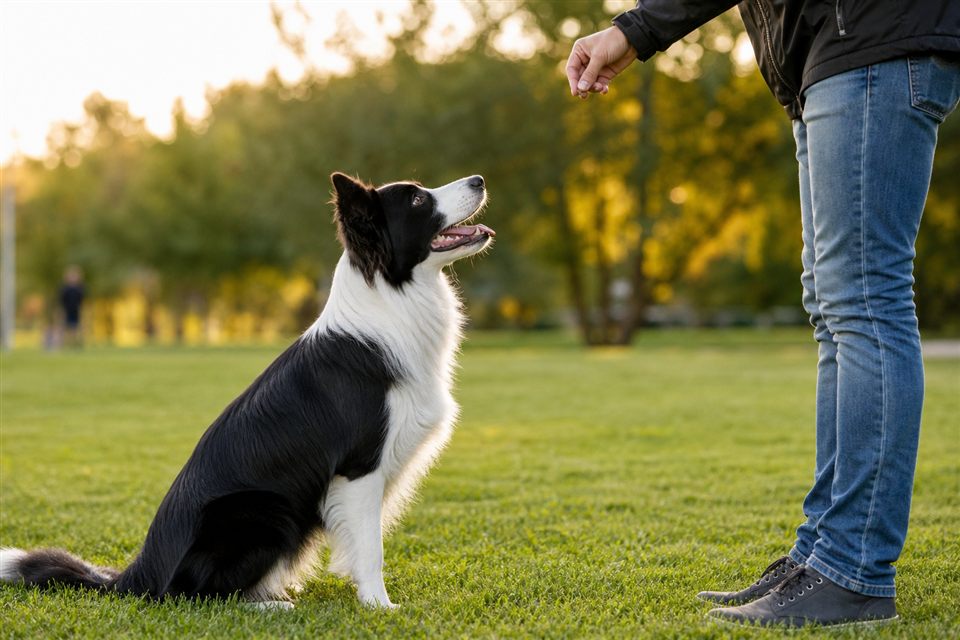
Dogs that scream, snap, or hide when clippers appear often have history of quicked nails, rough restraint, or sudden adult attempts without gradual introduction. Forceful holding may trim one nail but damages trust for years. Counter-conditioning breaks the process into tiny steps where the dog chooses to stay calm while tools appear, touch paws briefly, and eventually clip one nail before celebrating. Progress may take weeks but produces safer maintenance and reduces veterinary sedation needs for routine grooming.
Sharp clippers or grinders appropriate to nail size matter technically; dull tools crush nails and hurt even cooperative dogs. Learning to identify the quick in light nails and trim conservatively on black nails prevents pain setbacks. Professional trainers and veterinary teams can demonstrate hold techniques that support rather than pin dogs. The plan below suits home practice; dogs with bite history need in-person professional guidance.
Step-by-step desensitization plan
Week one: Show clippers, treat, hide clippers without touching paws. Week two: Touch paw one second, treat, release. Week three: Hold paw five seconds, press clipper near nail without cutting. Week four: Trim one nail, massive reward, end session. Never do all nails after a breakthrough; quit while success is high. Sessions under three minutes prevent overwhelm.
Choosing clippers versus grinders
Scissor clippers suit large thick nails; guillotine styles work for small dogs when sharp. Grinders smooth edges but create vibration noise some dogs fear initially. Introduce grinder sound separately before contact. Always clip or grind tiny amounts weekly rather than rare dramatic shortenings that expose quick.
Questions owners ask most often
What if I cut the quick? Apply styptic powder and pause training several days; pain sets back progress. Can my groomer force trims while I train? Conflicting force slows learning; coordinate gentle approaches. How short is safe? Trim until nail no longer touches floor when standing; black nails need incremental slices.
Signs nails are affecting comfort and gait
Overgrown nails change how the foot meets the ground, splaying toes and stressing joints over months. Clicking sounds on hard floors every step suggest trims are overdue. Dogs that limp after long walks may have nail tips catching on pavement. Dewclaws curl into pads silently because owners forget them during front-paw-only sessions. Split or cracked nails bleed easily and need veterinary assessment before continued trimming at home. Senior dogs with reduced activity wear nails slower yet still need maintenance because natural filing from walks decreases.
Building a sustainable maintenance rhythm
Weekly one-nail practice beats monthly marathon sessions that overwhelm fearful dogs. Pair nail days with calm household routines rather than high-arousal park returns. Keep styptic powder, treats, and tools in one kit so sessions start quickly without hunting supplies. Log which nails were trimmed to rotate focus and avoid repeating the same paw daily. If progress stalls for more than three weeks, a certified fear-free groomer or veterinary technician can demonstrate handling without forcing your dog into panic that undoes home training.
Key Points
- Fear-free training beats restraint for long-term nail maintenance.
- One nail per session early on builds confidence faster than full pedicures.
- Dull tools cause pain even with perfect technique.
- Weekly tiny trims prevent overgrown nails that change gait and spine alignment.
- Dogs in pain from arthritis need modified positions supported by vet advice.
Practical Tips
- Use lick mat with peanut butter on wall during sessions if safe for your dog.
- Train on elevated non-slip surface for small dogs to reduce bending stress.
- Film sessions to review body language for lip licks and whale eye stress signs.
- Walk on concrete between sessions to naturally wear nails slightly.
- Schedule trims after exercise when dog is tired not before exciting events.
- Reward calm behavior days without clippers to generalize paw handling.
Building a two-week action plan
Choose one or two changes from this article to implement this week rather than attempting every tip at once. Note your pet's baseline behavior on day one, then review progress on day fourteen with the same lighting and timing conditions when possible. Small consistent adjustments outperform dramatic overhauls that last only a few days. If you see no improvement after following veterinary guidance for two weeks, schedule a follow-up rather than switching randomly to unrelated internet advice that may confuse the underlying issue further.
First-time pet owners often search these symptoms late at night and worry unnecessarily or wait too long. When in doubt, call your veterinary team with a short video clip; many clinics offer nurse triage by phone. The guidance here supports informed conversations with professionals rather than replacing hands-on examination of your individual dog or cat.
When to call your vet
Seek professional help if your dog growls or bites during paw touch, if nails bleed repeatedly, or if overgrown nails cause splaying or lameness. Your veterinarian can sedate safely for initial reset trim then support home training. Split nails and infections need medical care before continuing cosmetic trimming.
Summary for busy owners
If you remember only a few points from this guide, keep these in mind: watch for patterns that repeat daily rather than one isolated incident, adjust home routines before buying expensive products, and contact your veterinary team early when behavior or appetite changes alongside the main symptom. Most problems improve fastest when medical causes are ruled out first and management stays consistent for at least two weeks before you declare an approach failed. Write down dates and take short videos so your next appointment covers facts rather than guesses.
This article is for general educational purposes only and does not replace professional veterinary advice. Contact your vet if your pet shows ongoing symptoms.