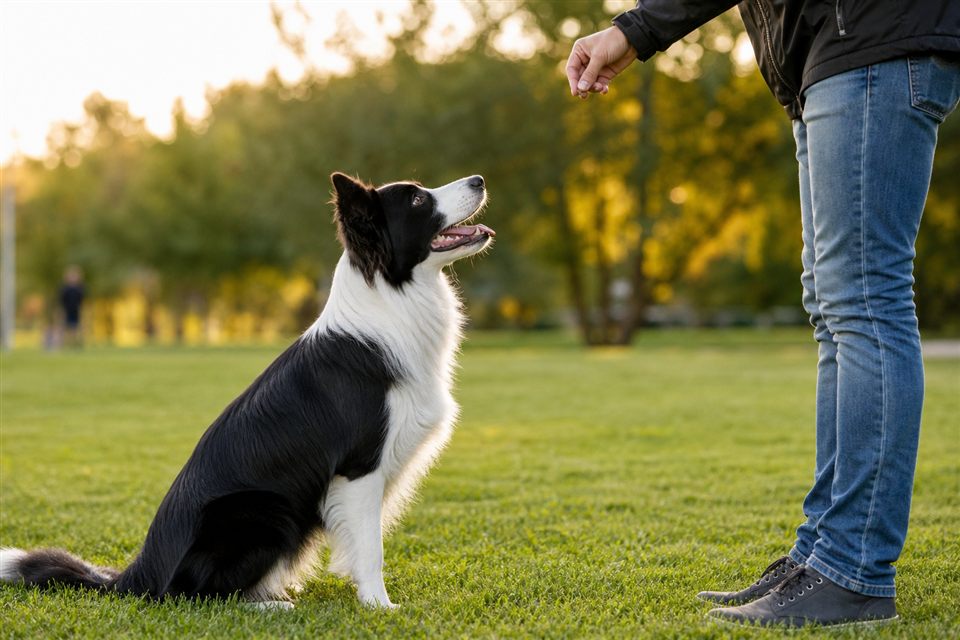
Doorbells trigger explosive barking, jumping, and door-dashing in many homes where dogs have learned excitement equals immediate greeting at the threshold. Teaching a reliable go-to-bed or place cue creates predictable alternative behavior before you open the door. The goal is not permanent isolation from guests but brief stationing on mat or bed where dog receives treats for calm stay while visitor enters and settles. Training succeeds when practiced daily without visitors first, then layered with recorded doorbell sounds before real deliveries test progress.
Dogs with severe reactivity or bite history toward strangers need professional behavior support alongside place training. The plan below suits enthusiastic greeters without aggression. Sections cover mat introduction, doorbell pairing, and fading treats while maintaining compliance when pizza arrives unexpectedly.
Building place value before the doorbell enters
Choose mat or bed visible from entry yet out of direct door swing path. Reward dog for any paw contact initially, then four-paw stand, then sit, then down on mat. Add cue word such as place or bed consistently. Release word ends session with permission to greet calmly on leash if desired. Mat should mean treats and relaxation not punishment isolation; never send dog there during scolding for unrelated messes.
Pairing doorbell sound with mat cue
Play doorbell recording at low volume on phone; cue place immediately; treat when dog lies on mat. Repeat until dog orienting toward mat when bell sounds. Increase volume gradually over sessions across days. Enlist helper to ring actual bell while you cue place from ten feet away. Open door only when dog remains on mat; if break occurs close door and reset without yelling.
Questions owners ask most often
How long should dog stay on bed? Start thirty seconds; build to two minutes during guest entry. What if dog breaks every time? Increase treat rate or reduce door opening speed until success rate improves. Can multiple dogs share one bed? Separate mats prevent competition; train individually first.
Guest entry routine with leash backup
Leash on dog during early training weeks prevents door dash if mat break happens. Guest ignores dog until four paws on mat and calm breathing return. Treats delivered on mat not at door threshold to keep reward location consistent. Children practice knocking lightly before full doorbell intensity returns.
Fading treats and maintaining behavior long term
Randomize treat delivery after dog succeeds ten consecutive trials at current difficulty. Occasional jackpot treats maintain motivation months later. Refresh training monthly with doorbell recordings even when behavior seems solid. New movers or roommates retrain with simplified steps rather than assuming dog generalizes automatically.
Common mistakes to avoid
Opening door while dog jumps because guest arrived early destroys progress. Using mat only during chaos without daily practice yields weak cue. Punishing barking without teaching alternative behavior increases frustration. Expecting puppy to hold place five minutes on day three exceeds realistic capacity. Allowing guests to excite dog off mat immediately after brief calm resets threshold.
Key Points
- Place training gives dogs predictable job when doorbell rings.
- Build mat value before pairing with doorbell recordings.
- Open door only when dog remains on mat during early training.
- Leash backup prevents escapes while behavior strengthens.
- Refresh practice monthly to maintain calm greetings long term.
Practical Tips
- Keep treat jar near mat station for quick reinforcement.
- Post note on door reminding guests to wait for your cue.
- Practice during quiet weekdays not only weekend parties.
- Use baby gate as secondary barrier during first month training.
- Film sessions to see if cue timing lags after bell sound.
- Coordinate family so one person handles dog while other opens door.
Building a two-week action plan
Choose one or two changes from this article to implement this week rather than attempting every tip at once. Note your pet's baseline behavior on day one, then review progress on day fourteen with the same lighting and timing conditions when possible. Small consistent adjustments outperform dramatic overhauls that last only a few days. If you see no improvement after following veterinary guidance for two weeks, schedule a follow-up rather than switching randomly to unrelated internet advice that may confuse the underlying issue further.
First-time pet owners often search these symptoms late at night and worry unnecessarily or wait too long. When in doubt, call your veterinary team with a short video clip; many clinics offer nurse triage by phone. The guidance here supports informed conversations with professionals rather than replacing hands-on examination of your individual dog or cat.
When to call your vet
Consult certified behavior professional if dog shows growling, snapping, or extreme fear toward visitors despite place training. Veterinary evaluation for sudden noise phobia may reveal pain or sensory decline in senior dogs. Medical causes of hyperactivity rarely present as doorbell-only chaos yet appetite and sleep changes warrant exam if global behavior shifts.
Summary for busy owners
If you remember only a few points from this guide, keep these in mind: watch for patterns that repeat daily rather than one isolated incident, adjust home routines before buying expensive products, and contact your veterinary team early when behavior or appetite changes alongside the main symptom. Most problems improve fastest when medical causes are ruled out first and management stays consistent for at least two weeks before you declare an approach failed. Write down dates and take short videos so your next appointment covers facts rather than guesses.
This article is for general educational purposes only and does not replace professional veterinary advice. Contact your vet if your pet shows ongoing symptoms.