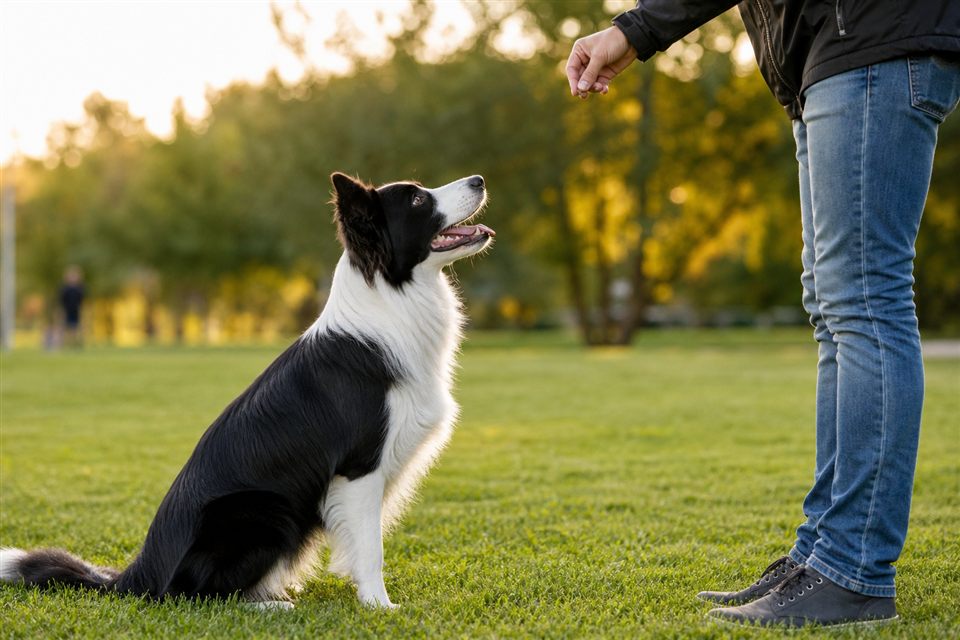
Leash pulling is rewarded every time your dog reaches the park faster—training works when pulling stops forward motion and calm walking earns treats. A front-clip harness reduces shoulder strain while you teach skills; expect noticeable improvement in 2–3 weeks with daily 10-minute sessions, not one long weekend walk.
Key Points
- Rule: when the leash goes tight, you stop moving; when slack returns for 2 seconds, mark "yes" and take one step forward with a treat at your knee.
- Front-clip (chest ring) harnesses redirect momentum sideways; back-clip only harnesses can increase pulling in strong adolescent dogs.
- Start in a boring hallway or driveway before streets—dogs cannot learn loose-leash rules amid squirrel distractions on day one.
- Use pea-sized treats every 3–5 steps at first, then randomize rewards so your dog checks in without constant food.
- Puppies under 6 months have short focus—cap training walks at 10 minutes; sore paws or panting mean end the session.
Practical Tips
- Practice "turns": when your dog surges ahead, turn 180° silently and reward when they catch up at your side.
- Avoid retractable leashes during training—they teach variable tension and make slack harder to define.
- If lunging includes barking at dogs or people, book a certified trainer—fear-based pulling needs a different plan than excitement pulling.
This article is for general educational purposes only and does not replace professional veterinary advice. Contact your vet if your pet shows ongoing symptoms.