That unmistakable "dog house" smell embarrasses owners even when pets are clean—because odor binds to fabrics, carpets, and air ducts long after the muddy walk ended. Masking sprays fade within hours while underlying organic compounds remain. Effective odor control combines mechanical cleaning, enzymatic breakdown of urine and skin oils, ventilation, and addressing medical sources like yeast infections or anal gland issues. Harsh bleach and phenol disinfectants harm paws and respiratory tracts. A systematic pet-safe routine beats endless air freshener bottles and keeps guests comfortable without stressing sensitive dogs.
Where Dog Smell Actually Hides
Saliva and skin oils transfer to couches, dog beds, and car seats. Paw pads track outdoor organic matter indoors. Incomplete urine cleanup leaves crystals that reactivate humidity. Wet coat after bathing without thorough drying breeds mildew notes in thick double coats. Air filters and HVAC ducts accumulate dander if unchanged for years. Identifying primary zones—sleeping areas, favorite sofa corners, entry mats—focuses effort where molecules concentrate rather than spraying randomly.
Pet-Safe Cleaning Steps That Work
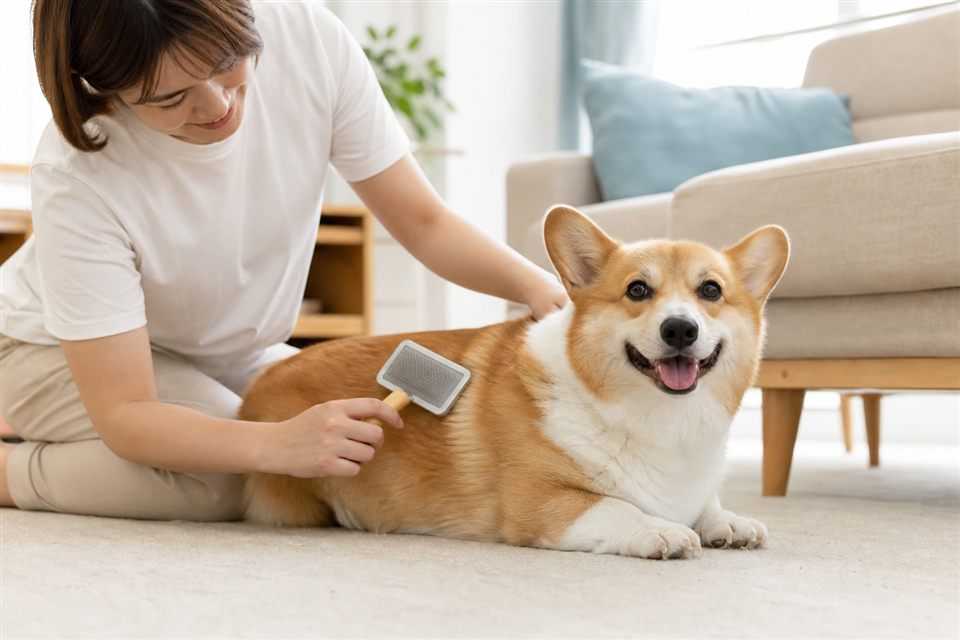
Vacuum upholstery and rugs weekly with HEPA filtration when possible. Wash removable bed covers in hot water with unscented detergent; add a second rinse. Apply enzymatic cleaners to urine spots after blotting—not rubbing—which breaks urea and proteins rather than masking them. Hard floors benefit from microfiber mopping with diluted pet-safe floor cleaner. Open windows briefly daily for air exchange. Groom dogs regularly: brushing distributes oils, bathing every four to eight weeks with dog-formulated shampoo reduces surface odor. Never use human perfume-heavy products on coats.
Key Points
- Enzymatic cleaners outperform fragrance sprays on organic odor sources.
- Wash bedding weekly; replace foam inserts annually if smell persists.
- Persistent yeasty or fishy odor may indicate skin or anal gland disease.
- Avoid phenol, tea tree oil concentrates, and undiluted essential oils around pets.
- HEPA air purifiers help dander but do not replace surface cleaning.
- New sudden strong odor warrants veterinary skin and ear evaluation.
Practical Tips
- Keep paw wipes or a shallow water tray at the door after muddy walks.
- Designate one washable throw blanket for couch lounging.
- Test cleaners on hidden fabric patches before full application.
- Clean accidents immediately—delay allows deeper carpet penetration.
- Schedule professional carpet extraction annually in multi-dog homes.
When to Contact Your Veterinarian
If odor persists despite grooming and cleaning, or coats smell yeasty with redness, schedule a dermatology exam. Fishy rear-end odor with scooting suggests anal gland issues needing expression or treatment—not more room spray.
This article is for general educational purposes only and does not replace professional veterinary advice. Contact your vet if your pet shows ongoing symptoms.