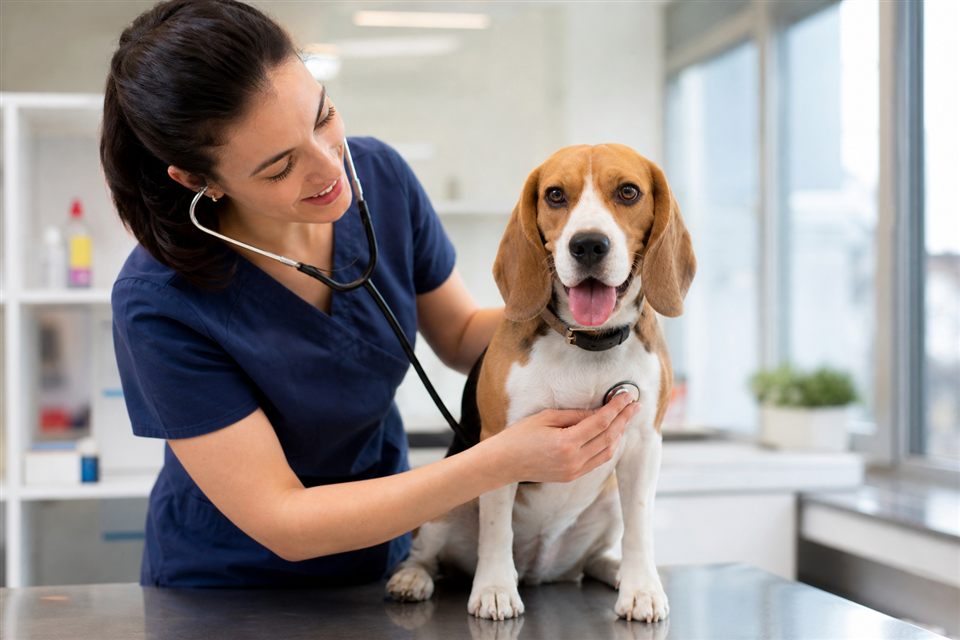
Denise noticed wet spots on the couch where her spaniel, Bailey, had been resting with her nose tucked against a pillow. Bailey was sneezing more than usual, but her appetite was fine and when Denise checked with a pet thermometer, no fever showed up. Clear drip, happy tail, normal energy—Denise still wanted to know whether she could wait it out or if Bailey's nose was hinting at something deeper.
Key points at a glance
- Clear nasal discharge without fever is often linked to mild irritation or viral upper respiratory infection.
- Allergies, dusty environments, and foreign material in the nostril are frequent culprits.
- Monitor for color changes in discharge, facial swelling, or breathing difficulty.
- Most mild cases improve within several days with rest and hydration.
- Puppies, seniors, and brachycephalic breeds need closer veterinary attention.
- Persistent symptoms beyond 10–14 days warrant a vet exam.
What clear nasal discharge usually means
Clear, watery discharge generally indicates inflammation of the nasal lining rather than bacterial infection—though the two can overlap later. In dogs, rhinitis (nasal inflammation) produces drip that looks like thin saliva or water. Without fever, lethargy, or thick yellow-green mucus, many cases fall into the "watch and support" category.
That does not mean every clear runny nose is trivial. Duration, breed, and accompanying signs matter more than discharge color alone.
Common causes
Environmental irritation. Dust from renovation, new carpet, scented candles, or pollen season can trigger sneezing and clear drip within hours. Bailey might have reacted to fresh-cut grass Denise tracked inside on her shoes.
Mild viral infection. Canine infectious respiratory disease complex—often called kennel cough complex—sometimes presents with sneezing and nasal discharge before or alongside coughing. Fever may be absent in mild strains.
Allergies. Atopic dogs react to pollen, mold, or dust mites with itchy skin, ear infections, and runny noses. Seasonal patterns help distinguish allergies from infection.
Foreign bodies. A grass awn or seed lodged in a nostril causes sudden one-sided discharge, repeated sneezing, and pawing at the face. Clear discharge can precede thicker mucus if irritation continues.
| Symptom pattern | Likely direction |
|---|---|
| Both nostrils, clear drip, no fever | Irritation or mild virus |
| One nostril only, sudden onset | Possible foreign body |
| Clear drip plus itchy paws and ears | Consider allergies |
| Clear turning yellow-green after a week | Possible secondary infection |
Home care for mild cases
Keep Bailey hydrated—moist nasal passages clear faster. Use a humidifier if indoor air is dry. Wipe the nose gently with a warm damp cloth to prevent cracked skin. Avoid smoke, strong cleaners, and essential oil diffusers near your dog.
Do not give human cold medicines. Acetaminophen, ibuprofen, and many decongestants are toxic to dogs. Supplements and herbal remedies should only be used if your veterinarian approves them.
When clear discharge is still an emergency
Seek immediate veterinary care if your dog shows:
- Labored breathing, blue-tinged gums, or open-mouth breathing at rest
- Sudden facial swelling, especially around the muzzle or eyes
- Thick blood in the discharge
- Extreme lethargy, refusal to eat, or known toxin exposure
- A brachycephalic breed (Bulldog, Pug, Boston Terrier) struggling to breathe through the nose
Foreign bodies and allergic reactions can escalate quickly even without fever.
When to schedule a non-urgent vet visit
Book an appointment if clear discharge lasts more than 10–14 days, switches to pus-like yellow or green mucus, or comes with bad breath, nosebleeds, or noisy breathing. Dental disease, nasal tumors, and fungal infections can mimic mild rhinitis early on.
Puppies and unvaccinated dogs should be seen sooner because upper respiratory infections can progress to pneumonia. Your veterinarian may recommend nasal flushing, allergy testing, or imaging if symptoms persist.
Denise planned to watch Bailey for a week, keep notes on sneezing frequency, and call the clinic if either nostril started bleeding or the discharge changed color. This article offers general health information and does not replace an examination by your dog's veterinarian.