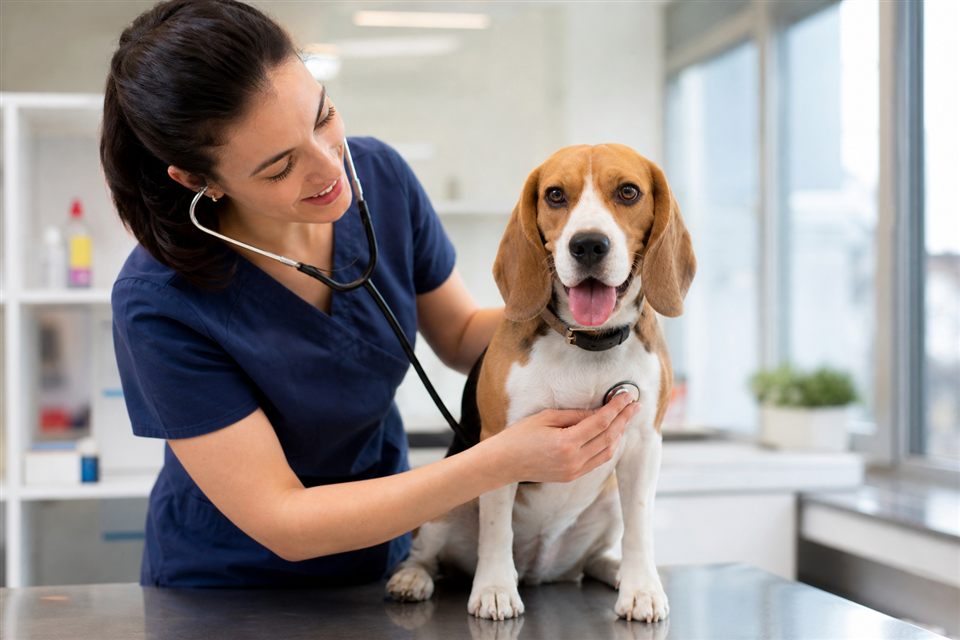
Grandma said wet nose equals healthy dog. Clinic reality: healthy dogs have dry noses often — after sleep, in winter, in sun. Cracked, bleeding, or suddenly changed noses deserve closer look than the old wet-nose myth provides.
Key points at a glance
- Dry nose after nap or in low humidity — usually normal.
- Persistent cracking, bleeding, or crusting — dermatitis, autoimmune disease, or dehydration possible.
- Wet nose myth — sick dogs can have wet noses; well dogs dry ones.
- Brachycephalic breeds — nose creases need daily wipe to prevent infection.
- Sunburn on pink noses — white-faced dogs need pet-safe sun protection.
Normal reasons for temporary dryness
- Sleeping — dog stops licking nose; wakes wet again in minutes.
- Central heating or desert climate — low humidity.
- Exercise in wind — brief dryness.
- Senior dogs — less nose licking overall sometimes.
If energy, appetite, and hydration normal — watch one day before panic.
When dry nose needs veterinary attention
Schedule exam if you see:
- Deep cracks bleeding or thick crusts weeks ongoing.
- Nasal planum loss of pigment with ulcers — discoid lupus or pemphigus possible in some breeds.
- Both nose and footpad crusting — autoimmune differentials.
- Dry nose plus lethargy, vomiting, thick saliva** — dehydration or fever.
- Discharge from nostrils with dryness on exterior — infection inside.
Bring photos tracking changes over weeks.
Cracked nose home care — vet-approved only
After medical causes ruled out or mild winter cracking:
- Pet-safe nose balms (beeswax-based products labeled for dogs) thin layer 1–2 times daily.
- Humidifier in sleeping area dry months.
- Fresh water always available — dehydration dries mucous membranes.
Do not use human lotion, neosporin long-term without vet OK — licking ingests product.
Pink noses and sun
White or liver-nosed dogs sunburn on nose bridge — pet sunscreen if outdoors midday; zinc oxide human sunscreens often toxic if licked — use dog-formulated only.
Wet nose does not guarantee health
Dogs with fever, heart disease, or toxins may still have moist noses. Nasal discharge can feel wet while dog is ill.
Judge whole dog: appetite, energy, breathing, stool — not nose touch alone.
Breed-specific notes
- Bulldogs, pugs — skin fold dermatitis around nose; daily clean dry folds.
- Labrador noses — hyperkeratosis (nasodigital) excess keratin — vet may trim or prescribe.
The bottom line
A dry dog nose after a nap or in winter is usually fine; the wet-nose health test is a myth. Cracked, bleeding, or chronically crusty noses need veterinary evaluation for autoimmune skin disease, dehydration, or sun damage. Use pet-safe balms only after your clinic clears underlying problems — not human cream from the medicine cabinet.
This article is for general education only and does not replace advice from a licensed veterinarian.