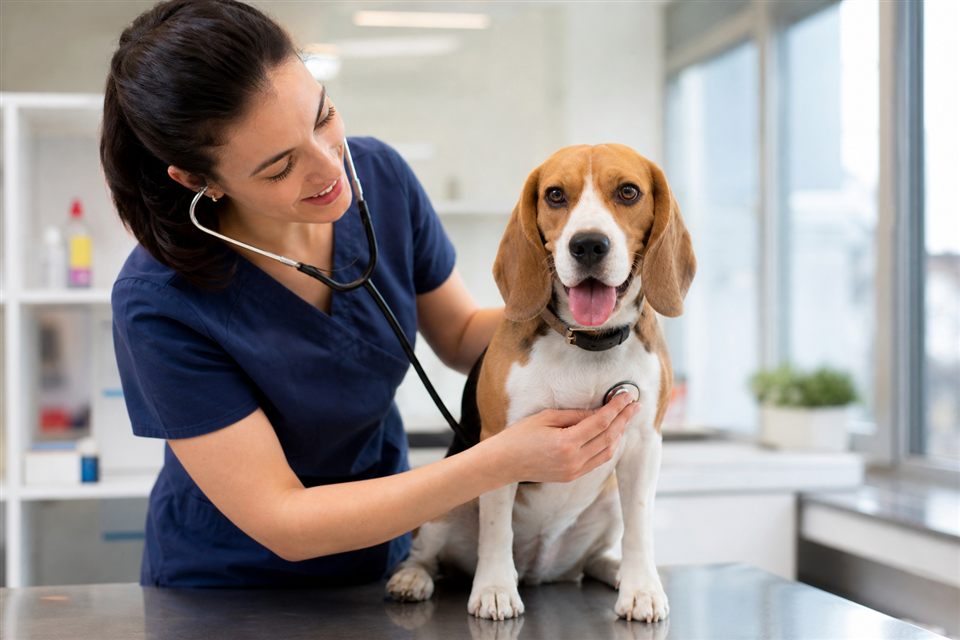
Sarah found the lump on Tuesday morning while rubbing her beagle's chin during breakfast. Buddy didn't flinch — he ate his kibble, wagged his tail, and seemed entirely unconcerned. The soft swelling under his jaw was about the size of a grape, and Sarah spent the rest of the day wondering whether she was overreacting or missing something serious.
Key points at a glance
- Lumps under the chin often involve lymph nodes, salivary glands, or skin tissue
- Bilateral swelling (both sides) frequently points to infection or immune response
- A single hard, fast-growing lump needs veterinary evaluation within days
- Dental disease is a common hidden cause of jaw-area swelling
- Fine-needle aspiration or biopsy is the standard first diagnostic step
What structures sit under a dog's chin?
Submandibular lymph nodes are the most common culprits — firm, oval swellings that move slightly under the skin on each side of the jaw.
Salivary glands can develop cysts (sialoceles) that feel soft and fluctuant, like a water balloon.
Abscesses form when bacteria create a pocket of pus — often after a bite wound, foxtail, or tooth root infection. They are usually painful, warm, and may drain.
Lipomas are benign fat tumors that feel soft and squishy, growing slowly over time.
Malignant tumors including lymphoma, mast cell tumors, and oral cancers can present as jaw-area lumps that feel firm, attach to tissue, and grow within days to weeks.
What causes lymph nodes to swell?
Reactive lymph node enlargement happens when the immune system is fighting something: periodontal disease, skin infections, recent vaccination, tick-borne illness, or in older dogs, lymphoma.
When Buddy's vet examined him, both nodes were enlarged — a pattern suggesting reactive swelling from dental disease. A dental X-ray confirmed a fractured premolar with root infection.
How do you know when to worry?
| Feature | Usually lower concern | See vet promptly |
|---|---|---|
| Size | Pea-sized, stable | Walnut-sized or growing |
| Texture | Soft, moves freely | Hard, fixed in place |
| Pain | Non-painful | Painful to touch |
| Symmetry | Both sides equal | One side only |
| Other signs | None | Fever, lethargy, bad breath |
If the lump appeared suddenly, doubles in size within a week, or is accompanied by difficulty swallowing, treat it as urgent.
What happens at the veterinary visit?
Your vet will palpate the lump, check the mouth and teeth, and feel all peripheral lymph nodes. Blood work may screen for infection or systemic disease. Fine-needle aspiration is quick, minimally invasive, and often done during the same appointment.
Reactive nodes from dental disease resolve after tooth extraction and antibiotics. Sialoceles may need surgical drainage. Suspicious cell samples lead to biopsy and imaging to stage any malignancy.
If the lump appeared suddenly, doubles in size within a week, or is accompanied by difficulty swallowing or breathing, treat it as urgent rather than waiting for a routine appointment slot.
Can you prevent jaw-area lumps?
Regular dental care is the most effective prevention. Brush teeth daily if possible, provide veterinary dental cleanings as recommended, and address broken teeth before infection spreads. Keep vaccinations current and use tick prevention in endemic areas.
Frequently asked questions
My dog's lump moves when I touch it — is that a good sign? Mobile lumps are often lymph nodes or lipomas. However, some cancers can also move initially. Always have any new lump checked.
Can a lump under the chin go away on its own? Reactive lymph nodes from minor infections or post-vaccine inflammation sometimes resolve within one to two weeks. If a lump persists beyond that or grows, veterinary evaluation is necessary.
How much does aspiration or biopsy cost? Costs vary by region, but in-office fine-needle aspiration typically runs $100–$300. Biopsy and histopathology add $200–$600. Ask your vet for an estimate before proceeding.
This article is for informational purposes only and does not replace professional veterinary advice. Have any new lump under your dog's chin evaluated by a veterinarian.