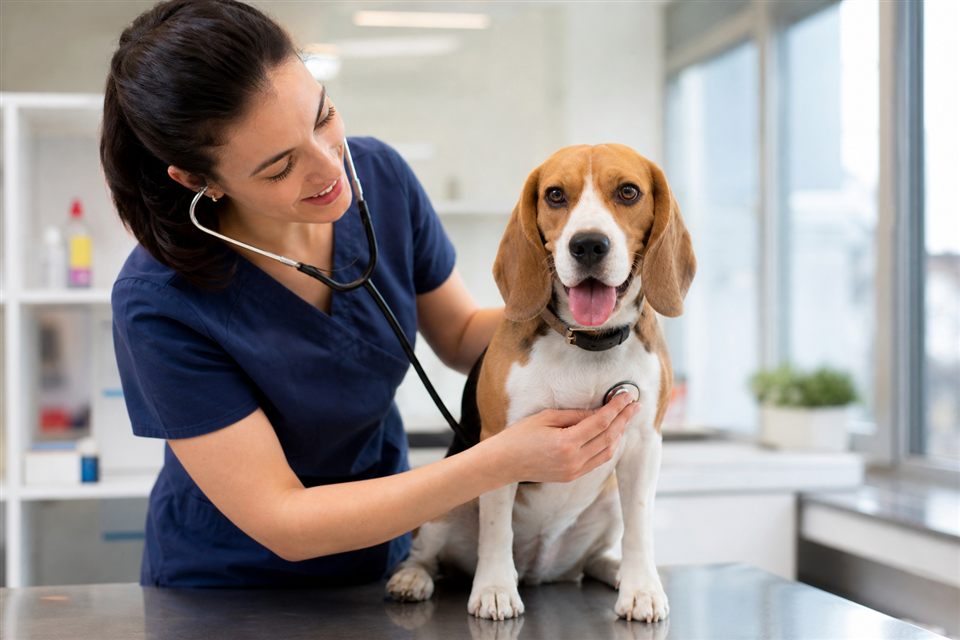
Keisha noticed her eight-month-old Pit mix, Roscoe, hiccuping every single time he guzzled water too fast after a walk. The little "hic" sounds worried her the first few times—Roscoe would freeze mid-stride with this confused face like something was broken inside his chest. Her older dog never did that. A quick call to the vet clinic receptionist turned into reassurance: for puppies especially, post-meal hiccups are common and usually harmless.
Key points at a glance
- Hiccups after eating or drinking are normal for many dogs, especially puppies
- Fast eating, cold water, and excitement commonly trigger diaphragm spasms
- Most episodes stop within a few minutes without treatment
- Slow-feed bowls and post-meal calm time can reduce frequency
- Persistent hiccups lasting hours, or paired with vomiting or lethargy, need a vet visit
What causes hiccups in dogs after meals?
Hiccups happen when the diaphragm—the muscle separating chest from abdomen—contracts involuntarily. The glottis snaps shut and produces the "hic" sound. In dogs, eating or drinking too quickly tops the list of triggers.
Roscoe inhaled his kibble and then hit the water bowl like he was putting out a fire. Air swallowed during that rush irritates the diaphragm. Cold water on a warm dog after exercise can add another jolt. Puppies are more prone because their swallowing coordination and digestive systems are still maturing.
Is it normal for puppies vs adult dogs?
Very normal in puppies under a year. Keisha's senior Lab had hiccuped maybe twice in twelve years. Roscoe hiccuped three times a week. Both patterns can be fine.
Adult dogs who suddenly develop frequent post-meal hiccups without a history of them deserve closer attention—not because hiccups alone are dangerous, but because the change might reflect a new eating habit, reflux, or respiratory irritation worth mentioning at a checkup.
How long should hiccups last?
Most dog hiccup episodes resolve in five to fifteen minutes. Some stop in under a minute. If hiccups continue beyond an hour, occur daily for many days, or interfere with sleep and appetite, schedule a veterinary exam.
| Scenario | Likely normal? | Action |
|---|---|---|
| Puppy hiccups after fast drinking | Yes | Slow water access; wait after exercise |
| Brief hiccups after excited mealtime | Yes | Use slow feeder; calm environment |
| Hiccups over 1 hour | Unusual | Call your vet |
| Hiccups plus vomiting, coughing, or bloating | No | Seek vet care promptly |
What can you do at home?
Let them pass. Gentle distraction—a slow walk, soft petting—sometimes helps. Do not startle your dog or offer folk remedies meant for humans without veterinary approval.
Practical prevention for dogs like Roscoe:
- Slow-feed bowls or puzzle feeders for kibble gulpers
- Smaller water portions after exercise; let body temperature settle first
- Raised bowls for large-chested breeds only if your vet recommends them for other reasons—not specifically for hiccups
- Calm feeding area away from other pets competing for food
When are hiccups a sign of something serious?
Rarely—but the exceptions matter. Hiccups combined with repeated vomiting, retching without producing anything, distended abdomen, or obvious pain could signal bloat or gastric torsion in deep-chested breeds. That is an emergency, not a wait-and-see situation.
Persistent hiccups with weight loss, bad breath, or difficulty swallowing might point to esophageal or gastric issues. Respiratory infections or heart conditions occasionally mimic or accompany abnormal diaphragm activity, though coughing is usually the louder clue.
Keisha switched Roscoe to a slow-feed bowl and moved water access to five minutes post-walk. Hiccups dropped to once every couple of weeks. She still mentions them at annual visits so her vet has the full picture. If your dog's hiccups change suddenly in frequency or come with other symptoms, your veterinarian can rule out underlying problems and suggest targeted fixes.