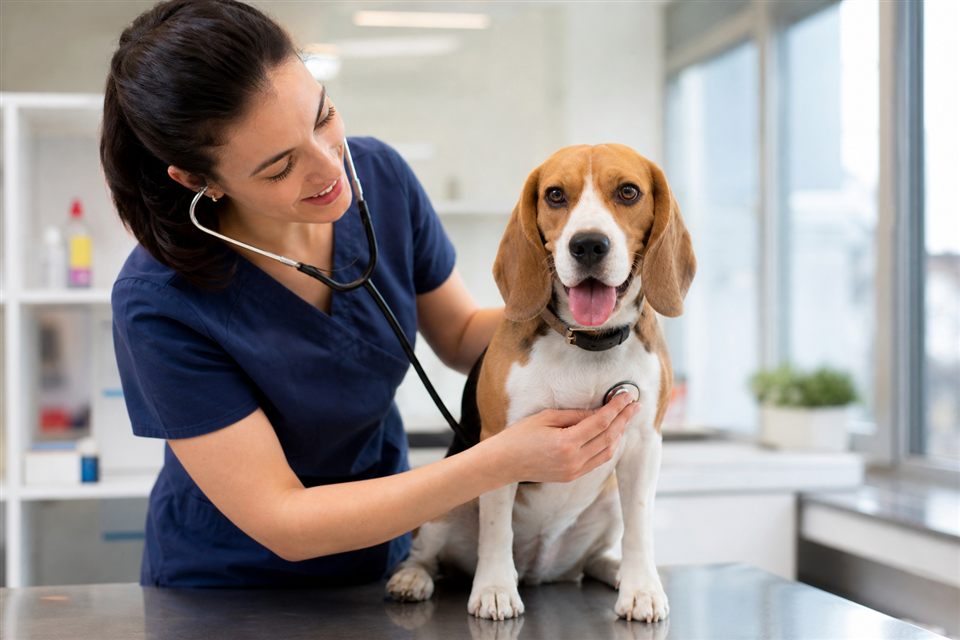
Monday at 7:05 a.m., Colton Briggs heard the metal bowl clang, then the wet heave. Ruckus, his 54-pound Boxer, had emptied half the water and brought it back onto the Nashville kitchen mat in under a minute. Clear fluid, a little foam, no kibble. Two nights earlier the same sequence happened after a hallway zoomie. Colton had already paid $310 last spring for “he ate a sock” radiographs that were luckily empty. He measured the next drink in a cup and started a log.
Key points at a glance
- Fast gulping can stretch the stomach and trigger a quick vomit
- True vomiting (heaving) is different from quiet regurgitation
- Repeat water vomiting plus lethargy or a tight belly is urgent
- Heat, exercise, and an empty stomach make boxers gulp harder
- Small, frequent sips beat a free-for-all bowl after activity
- Same-day care if nothing stays down, gums look pale, or the dog strains
Gulping is not a mystery disease
Ruckus drinks like he is late. A large volume hits a stomach that may already hold air from panting. The stretch receptors fire. The water comes back. Often he can keep it down if it arrives in smaller amounts.
Timing tells you a lot. Water that returns in seconds, especially after running, often never settled. Water that returns 20 minutes later with bile or food is a different story. Colton’s first video showed Ruckus’s sides pumping. That was vomiting, not a quiet spill from the esophagus.
Regurgitation is passive: a tube of fluid with little warning. It can point to a motility problem. Vomiting has a prodrome: drool, lip lick, then heave. Write which one you saw.
Causes that sit behind the bowl
An empty stomach overnight plus a dawn gulp is a classic combo. Bile irritates. The dog drinks to rinse, then vomits the rinse.
Nausea from trash, pancreatitis, or a gut virus makes water the first thing to bounce. If this lasts more than a few episodes, or diarrhea joins in, you are past “he drank too fast.”
A foreign body is the fear Colton already lived through. A sock or corn cob can let a little water past, then send it back. Watch for unproductive retching, a hunched stance, or a tight belly.
| Clue | Points toward | Urgency |
|---|---|---|
| One episode after a sprint, dog acts normal | Gulping / empty stomach | Offer ice chips; watch 12 hours |
| Water back within minutes, several times | Nausea or early obstruction | Call the clinic that day |
| Retching, drool, tight abdomen | Possible blockage or bloat | Emergency now |
| Quiet fluid with no heave | Possible regurgitation | Exam, not a “wait till Friday” |
| Plus black stool or pale gums | Bleeding or shock | Emergency |
Bloat (GDV) is a Boxer-relevant emergency. Unproductive retching, a swelling belly, and restlessness are not a water-bowl problem. Go.
What you can do in the next few hours
Pick up the open bowl. Offer one or two ice cubes or a few tablespoons of water every 15 minutes. If that stays down for two hours, step up slowly. A muffin tin with a little water in each cup slows dogs who inhale fluid.
Skip food for a short window only if your vet has said that is safe for this dog. Puppies and diabetics play by different rules. Colton held breakfast until 10 a.m., then offered a bland handful. It stayed.
Do not give human anti-nausea pills. Do not force a big drink “to hydrate him.” Note color: clear, foamy, yellow, brown, or bloody. A dog who vomits water and cannot pee, or who has a swollen belly, is not a home project.
What the vet will check
History first: toys, trash, new food, heat, exercise. Then gums, belly, temperature. X-rays if a foreign body is on the table. Some clinics give an anti-nausea injection and a sip schedule when the exam is quiet. That is not a substitute for imaging if Ruckus is still heaving at noon.
Colton’s spring visit had been the scary version. This Monday was too-fast drinking on an empty stomach after Sunday night wrestling. He now fills a smaller bowl after walks. The mat stays dry most mornings.
Repeated vomiting after drinking can signal obstruction or systemic illness. This article is general education. Contact your veterinarian if water will not stay down.