On their evening walk, Tom heard a faint click each time his Pomeranian, Mochi, trotted down the sidewalk—like a tiny stapler inside her hind leg. Every dozen steps Mochi lifted the leg for two strides, set it down, and continued as if nothing happened. No yelp, no swelling Tom could see. The click-and-skip combo sent him searching for answers. Luxating patella— a kneecap that slips out of its groove—was at the top of every list for small dogs like Mochi.
Key points at a glance
- A clicking or popping knee during walking often indicates the patella (kneecap) moving in and out of place.
- Medial patellar luxation is common in toy and small breeds; intermittent skipping is a hallmark sign.
- Grades I–IV describe severity from occasional slip to permanently dislocated kneecap.
- Many mild cases manage with weight control, exercise modification, and joint supplements; higher grades may need surgery.
- Clicking alone without lameness still warrants a veterinary orthopedic exam.
- Untreated severe luxation can lead to arthritis and cruciate ligament strain over time.
What luxating patella means
The patella normally rides in a groove on the femur and slides when the knee bends. In luxating patella, shallow grooves, bowed legs, or tight soft tissues let the kneecap pop medially (inward) or laterally (outward). The click Tom heard was likely the patella snapping back into place—or out of it—during stride.
Mochi's occasional skip is classic: the dog holds the leg up briefly because the patella is luxated and extension feels wrong; a few steps later it reduces and walking resumes. Owners often describe it as "holding a leg up for three steps then fine."
| Grade | What happens | Typical plan |
|---|---|---|
| I | Patella can be pushed out manually, rarely spontaneous | Monitor, weight management |
| II | Spontaneous luxation, often reduces | PT, supplements; surgery if symptomatic |
| III | Luxated much of the time, some function | Often surgical |
| IV | Permanently luxated, bowlegged stance | Surgery recommended |
Why small dogs click more often
Genetics shape limb conformation. Pomeranians, Yorkies, Chihuahuas, Maltese, and Boston Terriers show higher prevalence. Puppies may first skip during growth spurts when muscle and bone development mismatch temporarily worsens tracking.
Trauma can luxate a previously normal patella in any size dog. Obesity increases load on stifles and worsens symptoms. Conversely, lean athletic dogs may hide low-grade luxation until arthritis develops years later.
Other causes of knee clicking
Not every click is a luxating patella. Cruciate ligament injury produces limping that often worsens rather than resolves mid-walk. Meniscal tears cause persistent lameness and joint swelling. Hip dysplasia alters gait and stresses the stifle. Arthritis crepitus sounds grating rather than single clicks.
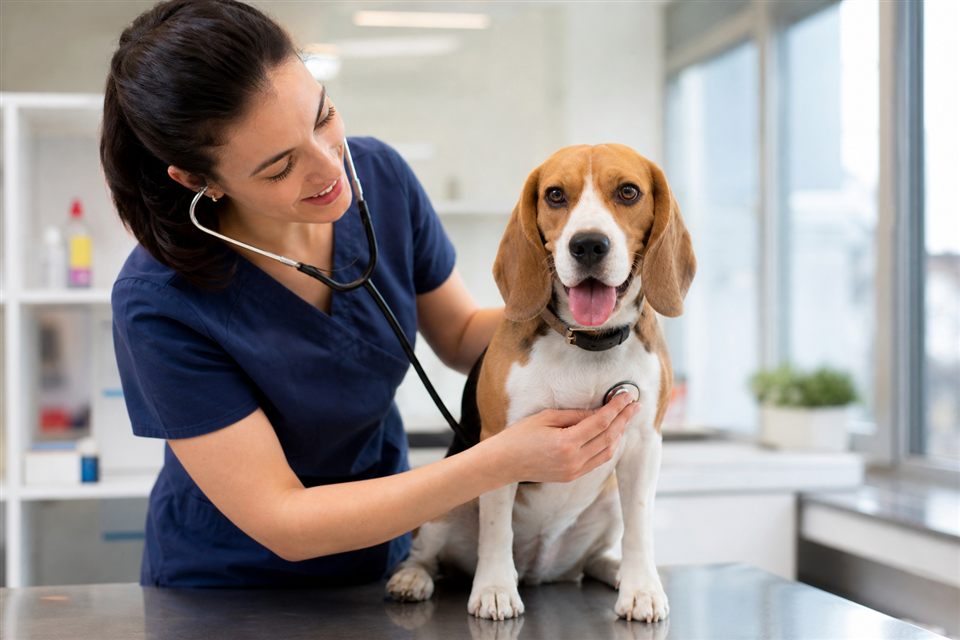
Tom's vet palpated Mochi's stifles, performed drawer tests for cruciate integrity, and graded the patellar luxation as Grade II medial on the right. No cruciate instability—good news.
Signs beyond the click
Watch for:
- Increasing skip frequency or duration
- Reluctance to jump on furniture or climb stairs
- Sitting with leg kicked to the side ("lazy sit")
- Muscle loss in the affected thigh over months
- Yelping when touched over the knee
- Swelling or heat in the joint
Puppies with severe bilateral luxation may have a bowlegged stance owners mistake for "cute waddle."
Management and treatment options
Conservative care for mild cases: Ideal body weight, limited jumping, and physical therapy strengthen the quadriceps. Surgical correction: Deepening the trochlear groove or repositioning soft tissues for Grades III–IV or symptomatic Grade II. Pain control: NSAIDs when inflammation flares—never use human medications without veterinary dosing.
When to see the vet
Schedule an exam for any new click, skip, or lameness—even intermittent. Document videos of the skip; they help orthopedic specialists assess frequency.
The bottom line
A clicking knee when walking in a small dog often points to luxating patella, especially paired with brief leg lifts mid-stride. Mochi's Grade II luxation was manageable without surgery for now, with weight monitoring and reduced couch leaps. Clicks deserve a vet check to grade severity and rule out cruciate injury—not because every click needs surgery, but because untreated higher grades steal comfort over time.
This article is for general informational purposes and is not a substitute for professional veterinary advice. Consult your veterinarian for lameness evaluation and treatment planning.