David let his terrier, Otis, into the backyard and noticed something alarming within minutes: Otis squatted repeatedly, produced only a few pink-tinged drops, then hunched and strained with nothing coming out. A spot of bright red urine sat on the patio. Otis turned to look at David, whined once, and tried again — posture tense, tail flagged, abdomen starting to look uncomfortable. David knew male dogs could obstruct — and that hours mattered.
Blood in urine — hematuria — combined with straining to urinate is never a watch-and-wait symptom in male dogs. The same signs appear in urinary tract infection, bladder stones, prostate disease, and trauma, but complete or partial urinary obstruction is the emergency that kills if missed. Female dogs obstruct less often due to anatomy, but straining with blood still demands prompt care in any dog. In intact or neutered males, a blocked urethra from stones or mucus plugs tops the worry list.
Key points at a glance
- Pink, red, or brown urine plus frequent attempts to pee with little output needs same-day veterinary evaluation.
- Male dogs with obstruction may strain, cry, lick the penis, vomit, and become lethargic as toxins accumulate.
- Complete blockage is fatal within twenty-four to forty-eight hours without catheterization or surgery.
- Causes include bladder stones, crystals, UTI inflammation, prostate enlargement, and less commonly tumors.
- Do not force large water intake without vet guidance if flow is blocked — distension worsens.
What Otis showed in the first hour
Early obstruction can look like a bad UTI: Otis asked to go out every few minutes, lifted his leg with effort, and dripped rust-colored urine. Many owners assume infection and plan a Monday vet call. The telltale progression is decreasing volume despite increasing effort — drops instead of streams — and visible distress.
David palpated Otis's belly gently: the bladder felt like a firm orange when Otis could not empty. A dog who can pass a normal stream usually has a soft, empty bladder after voiding. Tense, enlarged bladder with straining is obstruction until proven otherwise.
Otis also licked his prepuce frequently, a sign of urethral irritation or pain. No fever yet, but lethargy and vomiting often follow as potassium and waste products rise in the blood. David did not wait for those stages.
How urinary blockage happens in male dogs
Urine exits the bladder through the urethra, which is narrower in males and runs through the os penis bone in many breeds. Bladder stones or urinary crystals form in the bladder, then lodge in the urethra like a cork. Mucus, clots, or prostate swelling can contribute.
Predisposing factors include breed stone tendencies — Dalmatians, mini schnauzers, bulldogs — diets that promote certain crystals, chronic untreated UTI, and insufficient water intake. Neutering reduces prostate enlargement risk but does not eliminate stones.
Partial obstruction allows trickles; complete obstruction allows nothing. Both hurt. Partial can flip to complete quickly as inflammation swells the urethral lining.
Other causes of blood and straining without obstruction:
Bacterial UTI — Common; often frequent urination of small amounts with discomfort. Usually not zero output.
Bladder inflammation (cystitis) — Including idiopathic cystitis; blood without stones.
Prostatitis or benign prostatic hyperplasia — More in intact males; may affect urine flow.
Trauma — Hit by car, bite to abdomen or penis.
Coagulopathy or toxin — Rat bait, bleeding disorders; often other bruising.
Tumor — Bladder or urethral mass; usually gradual but can acute bleed.
The vet distinguishes these with exam, urinalysis, imaging, and attempting catheter passage.
Emergency signs David watched for
Drive to emergency now if Otis:
- Produces no urine for six to eight hours despite straining
- Has a painful, distended abdomen
- Vomits, refuses food, or collapses
- Shows extreme lethargy or weakness
- Cries when abdomen or back is touched
- Has known bladder stone history and sudden worsening
Same-day urgent appointment minimum if:
- Any visible blood in urine with straining
- More than two to three days of increased frequency already
- Dribbling only drops per attempt
David was already in the car within thirty minutes — appropriate for male dog, blood, straining, and palpable bladder.
What happens at the clinic
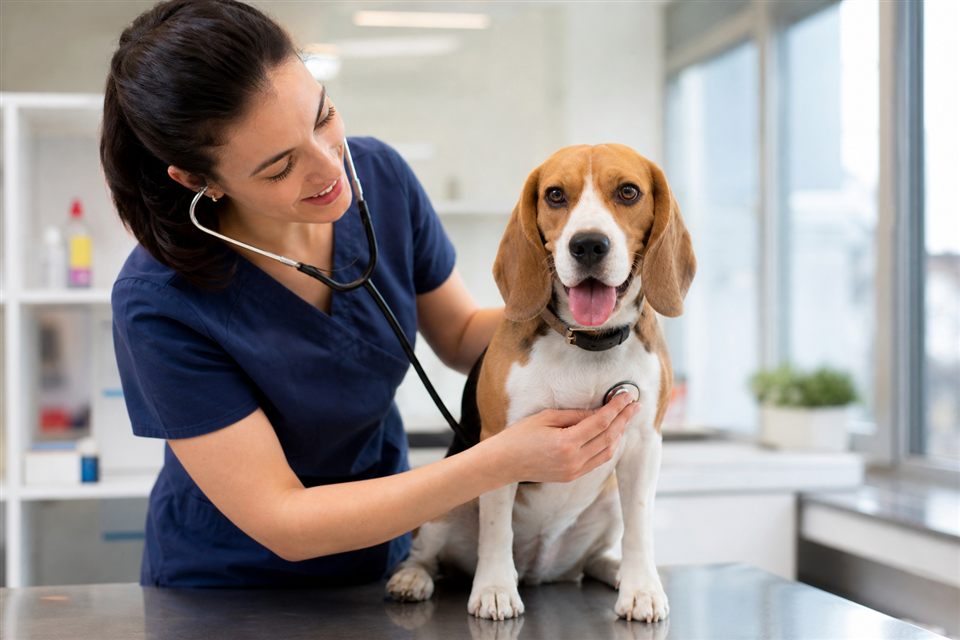
Veterinarians stabilize with pain control and attempt urinary catheterization under sedation. If the catheter passes, the bladder drains — immediate relief — and urine is analyzed for infection and crystals. Imaging — radiographs or ultrasound — locates stones and assesses bladder wall.
Some stones dissolve with prescription diet; others require surgical removal via cystotomy. Recurrent obstructions may need urethral surgery in select cases. Otis had a small struvite stone lodged at the os penis; the vet flushed it retrograde, placed a catheter overnight, and started antibiotics for secondary infection.
Blocked dogs often need hospitalization with IV fluids to correct electrolyte imbalances — especially high potassium, which affects the heart. Never assume home antibiotics alone fix obstruction.
Home care mistakes to avoid
Do not give over-the-counter urinary health supplements as sole treatment when straining persists. Do not express the bladder forcefully at home unless a vet trains you for a specific chronic condition — rupture is possible.
Encouraging massive water drinking before confirming urine can exit worsens bladder distension. Small frequent water access is fine en route to care.
Do not assume female-pattern UTI advice applies to Otis. Males with these signs get obstruction ruled out first.
Prevention after Otis recovered
Prescription urinary diet if stones were identified, increased water intake via fountains or wet food, regular urinalysis rechecks, and treating UTI promptly before inflammation promotes stone formation. Neutering helps some prostate-related flow issues in intact dogs.
David switched Otis to canned food mixed with water and scheduled stone monitoring radiographs per vet protocol.
The bottom line
Blood in urine with straining in a male dog like Otis is a possible urinary blockage until a veterinarian drains the bladder and confirms flow. UTI causes similar early signs but rarely the same combination of painful distended bladder and near-zero output. David's quick trip likely prevented kidney damage and cardiac complications from toxin buildup. If your dog strains without producing a normal stream — especially with blood — treat it as an emergency timeline, not a routine infection.
This article is for general information only and is not a substitute for advice from your veterinarian.